


August in review: Nestlé’s GLP-1 strategy, FDA GRAS proposal, El Niño risks

Key takeaways
- Nestlé revealed it is reframing food formulation for the GLP-1 era around nutrient density, protein, and muscle health.
- The FDA proposed mandatory GRAS notifications as federal agencies moved to define ultra-processed foods.
- Rabobank warned that El Niño could disrupt major food commodities through 2027.
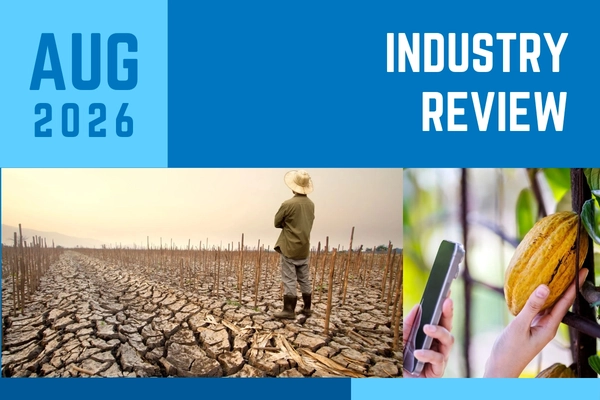
In August 2026, GLP-1 use pushed nutrient density and metabolic health further into mainstream F&B. Nestlé said it is exploring products tailored to people eating smaller portions, Tate & Lyle identified new reformulation opportunities around fiber and lower sugar, and strong nutrition demand helped lift Arla Foods Ingredients’ revenue.
Protein innovation entered a more diversified phase, as quality, functionality, taste, affordability, and supply security overtook the race to add more grams. Formulators increasingly explored plant, dairy, fungal, yeast, and fermentation-derived proteins.
Regulatory pressures also intensified as the EU’s PPWR began applying, the US FDA proposed mandatory GRAS notifications, and EU MEPs revived the “veggie burger” dispute. Meanwhile, El Niño raised risks for commodity supplies.

Food Ingredients First looks back at some of the standout stories from this month.
AI enters the food lab: The rise of predictive ingredient development
AI moved beyond brainstorming into the infrastructure of F&B R&D, helping teams narrow formulation options, predict ingredient behavior, and connect consumer, safety, sustainability, and technical data before bench trials. However, taste, processing performance, regulation, and trust still require physical validation and experienced scientific judgment.
Ingredion Q2 results show texture and health solutions outpacing core ingredients
Ingredion’s Texture & Healthful Solutions volumes rose 7%, marking a ninth consecutive quarter of growth, while its core US and Canadian ingredients business declined. The results reinforced the company’s shift toward higher-value clean label, texture, and health-oriented formulation solutions, including through its proposed Tate & Lyle acquisition.
ADM’s Flavors lifts Nutrition segment as crushing and ethanol drive Q2 growth
ADM recorded operating profit growth across all three business segments, with Flavors and improved Animal Nutrition performance helping lift Nutrition segment operating profit by 51%. Stronger ethanol margins and oilseed crushing supported the wider business, while value-added flavor and nutrition solutions continued to gain strategic importance.
What do McDonald’s Q2 results mean for the F&B ingredients industry?
McDonald’s Q2 results pointed to growing opportunities in specialty beverages and chicken, with its new drinks platform performing in line with or above expectations. Ingredient suppliers could benefit from demand for flavors, beverage systems, coatings, and proteins, but will face continued pressure to control costs and simplify restaurant preparation.
Kraft Heinz raises R&D spending as functional foods gain traction
Kraft Heinz increased R&D spending by 22% as it sought growth through protein, fiber, hydration, and lactose-free innovation. Early traction for PowerMac, Capri Sun Hydrate, and Philadelphia Lactose Free showed how familiar brands are being reformulated to deliver greater nutritional value without compromising taste, texture, or convenience. El Niño could disrupt supplies across major food commodities.
Rabobank warns of rising El Niño risks across food commodities
Rabobank warned that a strengthening El Niño could disrupt cocoa, palm oil, Robusta coffee, sugar, Australian grains, and seafood markets through 2027. F&B companies may face higher prices and tighter availability, increasing pressure on procurement teams to map commodity exposure, diversify origins, and build greater sourcing flexibility.
FDA proposes mandatory GRAS notifications as US moves to define ultra-processed foods
The US FDA proposed requiring companies to notify the agency whenever they conclude that an ingredient is generally recognized as safe, replacing the voluntary notification system. The move coincided with federal work to define ultra-processed foods, signaling greater scrutiny of ingredient safety, formulation, and transparency across the US food industry.
Tate & Lyle sees “white space” as metabolic health enters mainstream F&B
Tate & Lyle identified new “white space” as metabolic health moved beyond specialist nutrition and into mainstream F&B. Growing GLP-1 awareness is broadening reformulation priorities from sugar reduction alone to fiber, protein, carbohydrates, calories, and steadier energy, creating demand for multifunctional ingredients that preserve taste and texture.
Protein innovation enters diversification era as quality and functionality overtake the gram race
Protein innovation is moving beyond the race to add more grams, with formulators placing greater emphasis on quality, functionality, taste, health benefits, and affordability. Dairy, plant, fungal, yeast, and fermentation-derived proteins are increasingly being combined as cost pressures and supply concerns push the industry toward more diversified systems.
Nestlé’s GLP-1 strategy reframes food formulation around nutrient density
Nestlé’s GLP-1 strategy reframed the industry debate from consumers simply eating less to obtaining more nutrition from smaller portions. Its work on protein- and collagen-containing products highlighted opportunities around nutrient density, muscle health, and convenient nutrition, with formulation lessons extending well beyond people taking weight-loss medications.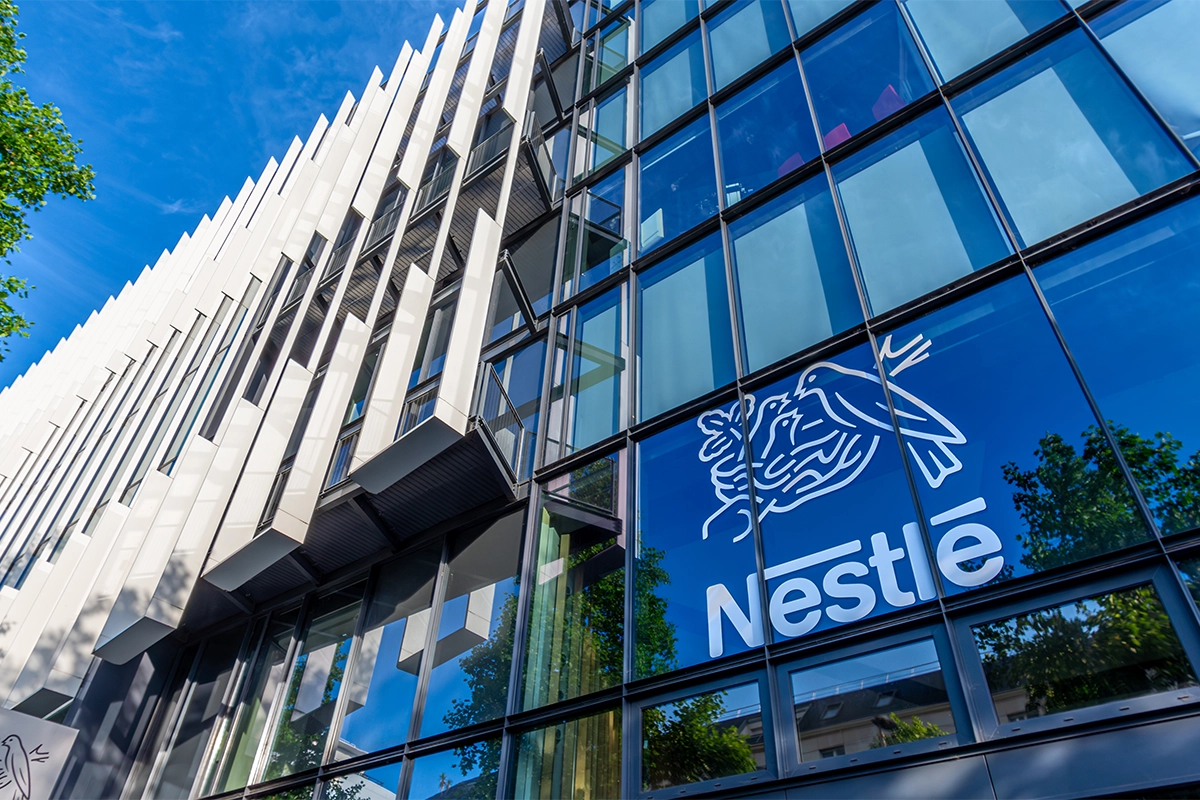 Nestlé is developing nutrient-dense foods for GLP-1 users.
Valio, Raisio and Solar Foods: Inside Finland’s ingredient innovation drive
Valio, Raisio, and Solar Foods showed how Finland is using science, collaboration, traceability, and advanced processing to create higher-value dairy, oat, fiber, and microbial protein ingredients. The country’s innovation strengths are clear, but Solein’s development also highlighted the continuing importance of regulation, production economics, scale-up, and consumer acceptance.
EU PPWR: What F&B companies need to know about the new packaging rules
The EU’s Packaging and Packaging Waste Regulation (PPWR) began applying generally in August, introducing new requirements across packaging design, recyclability, recycled content, documentation, and waste prevention. F&B companies now need to prepare their packaging portfolios and supplier data while balancing compliance and circularity with food safety and product protection.
Food industry’s next challenge: Building a future-ready science workforce
The Institute of Food Technologists warned that scientific innovation alone will not prepare the food system for future challenges. The industry must develop professionals with expertise in AI, regulation, systems thinking, leadership, and science communication to translate emerging technologies into commercially viable solutions and strengthen food and nutrition security.
EU “veggie burger” fight returns as MEPs seek wider naming ban
EU lawmakers reopened the debate over whether plant-based foods can use terms such as “burger,” “sausage,” and “nugget.” Proposed amendments would widen restrictions beyond the meat terms already protected under rules applying from 2029, potentially creating further rebranding, packaging, compliance, and commercial costs for alternative protein companies.
GLP-1 nutrition and whey prices help lift Arla Foods Ingredients revenue 19.3%
Arla Foods Ingredients’ first-half revenue rose 19.3% to €867 million (~US$1.01 billion), supported by higher whey prices and strong protein demand linked partly to GLP-1 nutrition. Value-added ingredient volumes also increased, highlighting a widening divide between high-value whey proteins and conventional dairy commodities facing pressure from abundant European milk supplies.