


Food industry’s next challenge: Building a future-ready science workforce
IFT highlights skills gap in AI, policy, systems thinking, and science communication as food system pressures grow

Key takeaways
- IFT’s white paper highlights the need for food professionals skilled in AI, policy, systems thinking, and science communication.
- The industry must strengthen training and education to address growing workforce challenges.
- A future-ready workforce will be key to advancing food security and innovation.

The future of the food system may depend on more than scientific breakthroughs and technological innovation. According to a new white paper from the Institute of Food Technologists (IFT), the industry must also address a growing workforce challenge: ensuring food professionals have the skills needed to apply those innovations effectively.
IFT’s new white paper, “Building a Future-Ready Science Workforce to Address Food and Nutrition Security Challenges,” examines how rapid technological change, evolving regulations, misinformation, and global food and nutrition security concerns are reshaping the capabilities required across the food sector.
The US-based organization highlights a growing risk that innovation alone will not be enough without professionals prepared to apply emerging technologies, navigate complexity, and translate scientific knowledge into solutions.

The white paper identifies four priority competency areas for the future food science workforce: artificial intelligence, regulatory and policy literacy, systems thinking and leadership, and science communication.
A changing food system requires new skill sets
Food scientists have traditionally relied on deep technical expertise in areas such as chemistry, microbiology, engineering, and product development. However, IFT notes that tomorrow’s workforce will require broader capabilities as food challenges become increasingly interconnected.
AI is among the most significant areas of transformation. From predictive modeling to ingredient selection and formulation optimization, AI is increasingly becoming part of the food innovation process.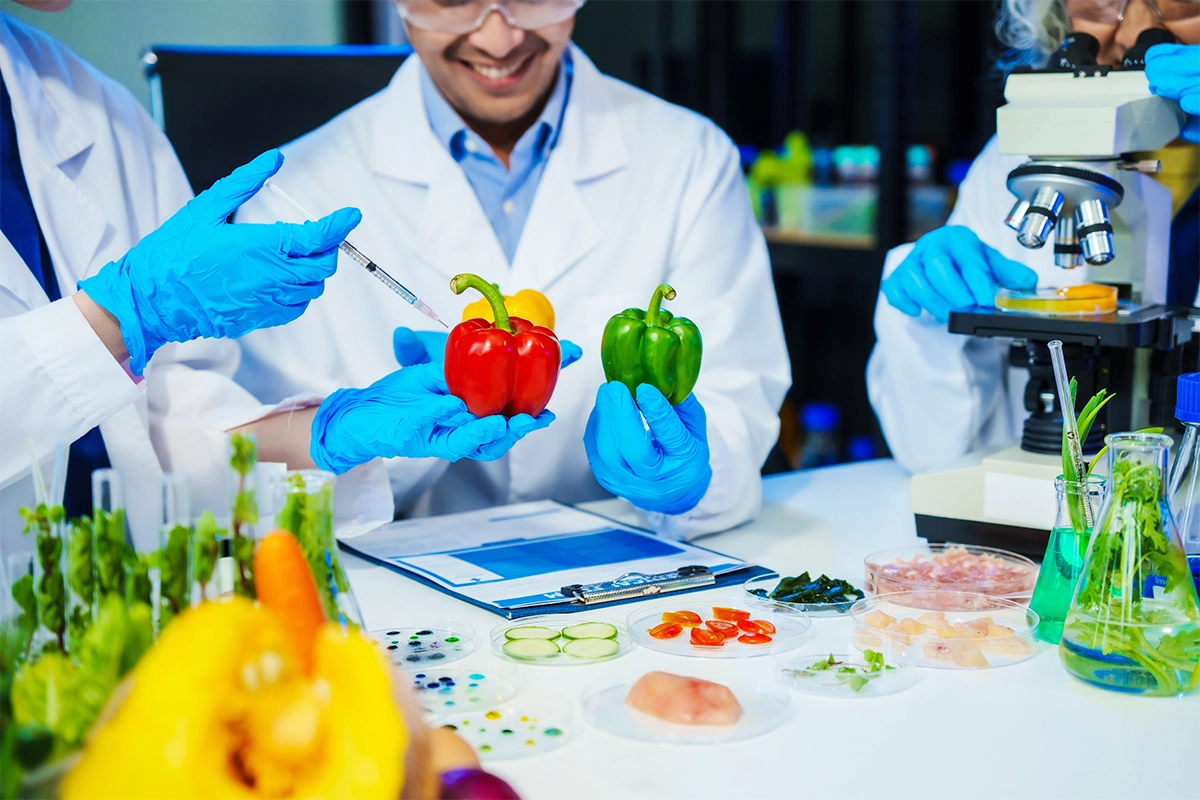 IFT warns that the next food crisis may stem from a skills gap, not a lack of innovation.
Recent Food Ingredients First coverage has highlighted how AI is moving beyond experimentation and becoming part of the infrastructure behind F&B innovation, helping companies model formulations, analyze data, and reduce development timelines.
For food professionals, the challenge will not simply be learning how to use AI tools, but understanding how to apply them responsibly alongside scientific expertise.
Bridging science, policy and communication
IFT’s white paper emphasizes that technical knowledge alone will not be enough to address future food system challenges.
Regulatory and policy literacy will become increasingly important as companies operate in a more complex environment shaped by sustainability expectations, evolving food regulations, and public health priorities.
Similarly, systems thinking will be critical as professionals address challenges that span agriculture, manufacturing, nutrition, environmental impacts, supply chains, and consumer behavior.
“Preparing the scientific workforce for the future has become increasingly challenging due to a variety of factors, including rapid technological advancement and social change,” says Dr. Brendan Niemira, IFT chief science and technology officer.
Niemira adds that the white paper provides a roadmap for preparing professionals who can navigate emerging technologies like AI, understand complex policy landscapes, communicate science effectively, and solve problems through systems thinking.
Science communication has also emerged as a key priority as misinformation continues to influence consumer perceptions of food, ingredients, and nutrition.
The ability to explain scientific evidence clearly — to consumers, policymakers, and stakeholders — will be increasingly important for maintaining trust in the food system.
Education and workforce development take center stage
The IFT white paper was developed through a virtual roundtable organized by IFT’s Food & Nutrition Security Steering Committee, bringing together more than 30 leaders from industry, government, academia, and non-profit organizations.
The discussion identified several workforce development priorities, including stronger faculty training, interdisciplinary collaboration, applied learning opportunities using real-world case studies, and accessible continuing education for professionals. The white paper identifies four critical future workforce skills: AI, policy literacy, systems thinking, and science communication.
These recommendations reflect a broader shift in how food science education and career development may need to evolve.
As ingredient innovation accelerates, companies will increasingly need professionals who can combine scientific fundamentals with digital skills, business understanding, regulatory awareness, and communication capabilities.
Workforce challenges extend beyond training
The skills gap is emerging alongside broader workforce concerns within food science.
IFT’s 2026 Compensation and Career Path Report, released earlier this year, examined compensation trends, job satisfaction, and workplace challenges across the food science community. The report is based on more than 5,000 survey responses from professionals across industry, academia, government, and non-profit organizations.
We previously reported how the findings showed rising salaries within food science, alongside concerns around retention, career development, and changing workplace expectations.
The report also provides insight into compensation and career trends across job functions, sectors, geographic regions, gender, and race, offering a broader picture of the profession’s evolving landscape.
Preparing the next generation of food innovators
As the food industry invests in new technologies, including AI-powered development tools, alternative ingredients, and advanced processing methods, the workforce behind those innovations will become an increasingly important competitive factor.
The industry’s ability to improve food security, develop sustainable solutions, and meet changing consumer needs will depend not only on scientific discoveries but also on whether professionals have the skills to turn those discoveries into practical applications.
Future food scientists may need to be more than technical experts. They will need to be data-literate innovators, policy-aware problem solvers, effective communicators, and leaders capable of navigating one of the world’s most complex systems.




Upcoming webinars

2027 Food Safety Risks for Quality & Compliance Leaders
FoodChain ID

Formulating for function: Developing benefit-led beverages with natural colours, botanicals, and flavours
Givaudan Sense Colour

Let's reveal the grain potential: Innovate
Meurens Natural