

What do McDonald’s Q2 results mean for the F&B ingredients industry?


Key takeaways
- Global comparable sales rose 1.3%, while revenue increased 4% to US$7.1 billion.
- US sales growth was supported by higher spending per order, even as comparable guest counts declined.
- McDonald’s highlighted strong early beverage performance and chicken share gains in Australia and Germany.
McDonald’s second-quarter results suggest growing opportunities in beverages and chicken. However, suppliers are also likely to face more pressure to control costs, deliver consistent quality, and make products easy for restaurants to prepare.
Global comparable sales rose 1.3% in the quarter, including gains of 0.8% in the US, 1.5% in international operated markets, and 1.9% in international developmental licensed markets. Revenue increased 4% to US$7.1 billion, while systemwide sales climbed 5% to US$37 billion. Diluted earnings per share rose 6% to US$3.32.
“This quarter McDonald’s delivered positive comparable sales growth across every segment,” says chairman and CEO Chris Kempczinski.
In the US, customers spent more per order, partly because of the mix of products they bought. However, comparable guest counts declined, indicating that sales growth came from spending rather than increased restaurant traffic.
Beverages move to the foreground
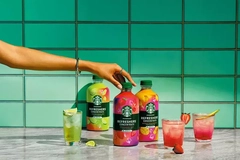
A direct ingredient opportunity is McDonald’s new specialty beverage platform, which launched in the US, Canada, and Germany in May, followed by Australia in July. Early sales were in line with or above expectations, according to the company, with the US running ahead of plan.
Germany was the only Q2 market offering the full range, spanning cold coffee, crafted sodas, refreshers, and energy drinks. More than half of the traffic associated with the new platform came after lunch, when restaurants tend to have more capacity. Average checks for those visits were about 50% higher than the company’s full-day average, helped by strong food attachment.
The figures suggest McDonald’s is using beverages to create new purchasing occasions, rather than simply adding drinks to existing meals. The rollout could create opportunities for suppliers of flavor systems, beverage bases, coffee ingredients, sweeteners, acidulants, and creamers.
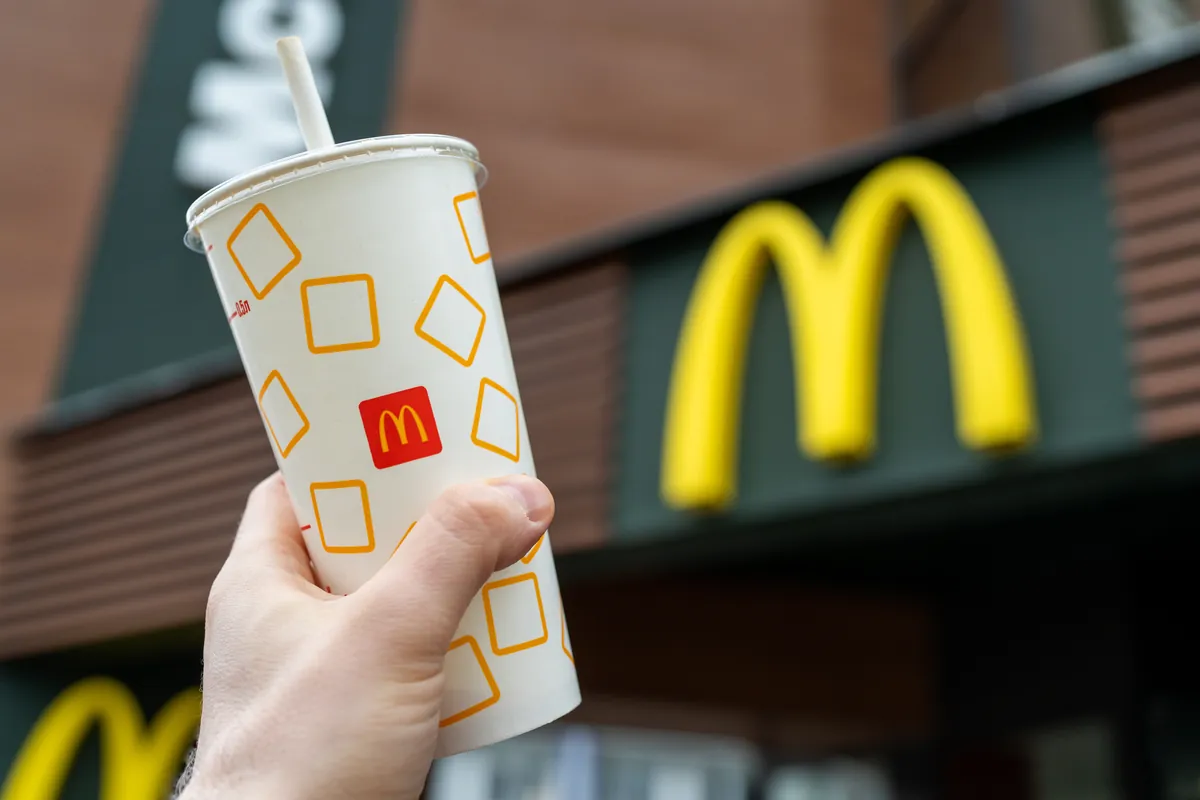 McDonald’s sees beverages as a multi-year growth platform, with strong early sales across several markets.McDonald’s also describes beverages as a platform with several years of growth potential. That favors scalable systems that can be adapted to local tastes, without placing excessive demands on restaurant equipment, storage, or preparation.
Chicken offers a template for modular innovation
McDonald’s says menu innovation helped Australia and Germany gain chicken share during the quarter. Australia’s Korean Barbecue McCrispy was one of the market’s strongest chicken limited-time offers in recent years, while Germany continued its Chicken for Every Moment campaign across permanent products and limited-time offers.
The launches illustrate how flavor and format changes can refresh an established chicken platform without requiring restaurants to introduce an entirely new production process. These ingredients also allow global operators to balance scale with local relevance, as the Korean barbecue example demonstrates.
The focus on chicken and beverages reflects a broader competitive reality. In launching its McDonald’s > Next strategy in June, the company acknowledged that established rivals are improving their menus, while specialist chains are raising consumers’ expectations around the taste and quality of beef, chicken, and drinks.
Simplicity becomes a commercial requirement
McDonald’s acknowledges that it crowded its US calendar with too many deployments. Restaurant teams had to handle the K-Pop Demon Hunters meal, changes to McValue, the new beverage platform, and FIFA activity in quick succession. The launches required repeated crew training and merchandising changes, while the crowded calendar contributed to longer service times and lower customer-satisfaction scores.
“If it looks great on paper, but you can’t execute it, it doesn’t matter,” Kempczinski said during McDonald’s Q2 earnings call.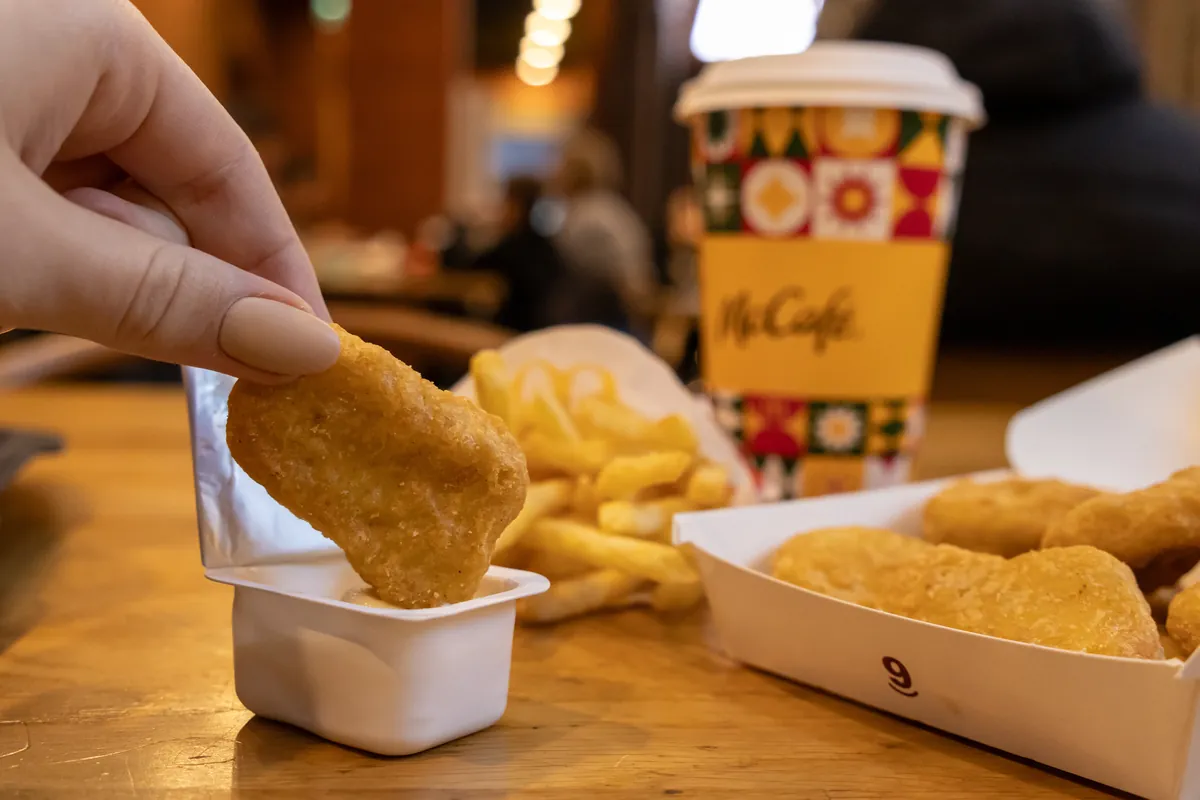 Chicken innovation helped McDonald’s gain market share in Australia and Germany.
That is a pointed message for formulation and applications teams. A novel product can lose its commercial case if it adds too many SKUs, preparation steps, storage requirements, or points of failure.
The strongest proposals will deliver noticeable sensory differentiation through the existing restaurant system, for example, a sauce that works across several menu formats. Operational resilience is increasingly part of the ingredient brief, not something considered after a product has been developed.
Value pressures formulation briefs
McDonald’s says continued inflation in food, paper, and labor remains top of mind for franchisees. At the same time, weaker US guest counts suggest there may be limits to how far higher costs can be passed on to consumers. CFO Ian Borden was blunt: “We will not get beaten on value.”
For suppliers, that puts cost-in-use under greater scrutiny. Price per pound is only one consideration. Yield, dosage, waste, holding performance, labor savings, and portion control are likely to become increasingly important to the economics of a formulation.
Premium cues can still command attention, particularly in beverages and globally inspired chicken, but they must fit within a value-led menu. The opportunity lies in giving consumers a clear sensory payoff without pushing the final product beyond an accessible price point.
Taste, quality and supplier accountability
The results also placed ingredient partners closer to McDonald’s operational agenda. Under McDonald’s > Next, the company plans to launch a program to retrain more than two million restaurant crew members, company employees, and supplier partners on gold-standard taste, quality, and hospitality.
Including suppliers in that effort is significant. It suggests future briefs will be assessed not only for novelty and cost, but for their ability to deliver the same flavor, texture, appearance, and handling performance across thousands of restaurants.
McDonald’s quarter points to a more selective pipeline. Beverages and chicken have momentum, but innovation will need to survive a stricter test: can it improve taste, create traffic, support value, and remain easy to execute?