

Rabobank warns of rising El Niño risks across food commodities


Key takeaways
- El Niño is raising risks across key commodities, including cocoa, palm oil, Robusta coffee, sugar, and Australian grains.
- F&B companies face potential price and supply pressures, with seafood already showing disruption.
- Procurement teams need to map exposure by commodity and origin and build greater sourcing flexibility.
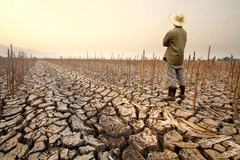
A strengthening El Niño is putting a range of agricultural commodities under renewed weather pressure, with cocoa, palm oil, sugar, Robusta coffee, and Australian grains among the markets most exposed to adverse weather, according to Rabobank.
El Niño conditions are already present, and there is an 81% probability that the event will strengthen into a very strong El Niño. While the effects of the weather phenomenon vary from one event to another, Rabobank researchers expect its influence to increasingly be felt across agricultural markets through the end of 2026 and into 2027.
For food and beverage companies, the implications are likely to be felt most directly through commodity availability and prices, although the timing and severity of the impact will vary considerably between markets.
El Niño is a climate phenomenon characterized by unusually warm sea-surface temperatures in the equatorial Pacific, which can influence weather patterns around the world.
According to the National Oceanic and Atmospheric Administration (NOAA), El Niño conditions are currently active and are expected to strengthen, potentially reaching very strong levels by the end of 2026. NOAA defines El Niño conditions as sea-surface temperatures in the Niño-3.4 region of the equatorial Pacific being at least 0.5 degrees Celsius above average over a three-month period.
Seafood supply shocks
The clearest supply shock is already being seen in seafood. Peru’s anchovy fishery, the world’s largest single-species fishery and a major source of global fish meal and fish oil, has been badly affected by elevated sea temperatures. The May–July 2026 fishing season had a quota 36% below the previous year’s level, while the final catch is expected to reach only around 25% of that quota.
That has already tightened global supplies of fish meal and fish oil. Rabobank says fish meal prices have more than doubled from a year earlier, while fish oil prices have risen more than threefold since July 2025. Higher feed costs are consequently affecting aquaculture, including salmon and shrimp production.
“The crops I would be most worried about are not necessarily the largest food commodities by volume, but the ones where supply chains are concentrated, and where buyers have fewer easy substitutes,” Carlos Mera, head of Agri Commodities Markets, tells Food Ingredients First.
“Cocoa is high on that list because West Africa, Ecuador, and Southeast Asia dominate global supply, and all could face El Niño-related stress in different ways. Palm oil is another, because Indonesia and Malaysia account for more than 80% of global production, and the yield response to dryness can arrive with a lag of about six to 12 months.”
“Robusta coffee is also exposed through Vietnam, Indonesia, and India, while sugar has risks in India, Thailand, and Australia. In seafood, the supply shock is not theoretical anymore: Peruvian anchovy has already been disrupted, and that matters for fish meal and fish oil globally.”
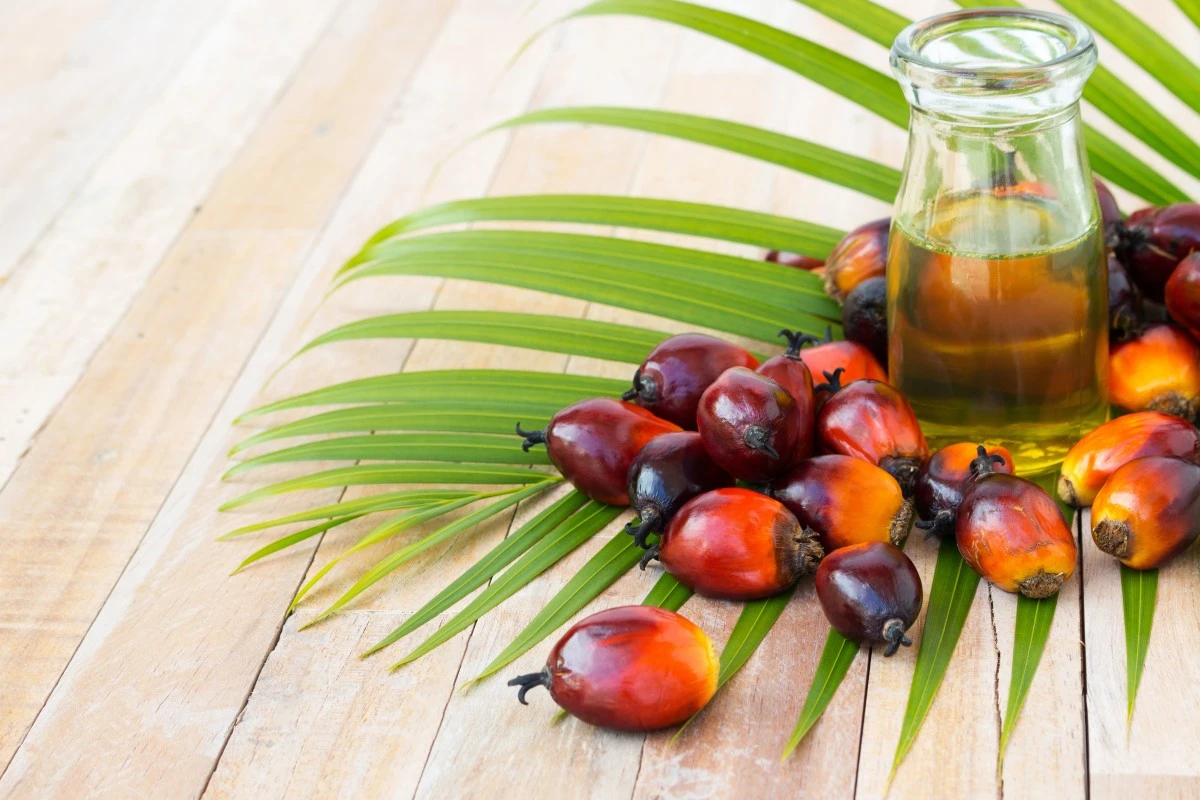 Indonesia and Malaysia account for over 80% of global palm oil production. Drier, hotter conditions could reduce yields, with supply impacts potentially emerging from late 2026 and intensifying into early 2027.
Cocoa and palm oil concerns
West Africa, Ecuador, and Southeast Asia account for 88% of global cocoa production and are all typically negatively affected by El Niño. Hotter and drier conditions in West Africa can create moisture stress, while Southeast Asia and India also tend to experience drier weather.
The market is already reflecting those concerns. Rabobank notes that the ICE New York second cocoa contract was at US$5,800 per metric ton on July 12, 2026, up 72.4% over three months. However, the bank cautions that El Niño is not the only factor supporting cocoa prices, with low 2026/27 pod setting also contributing.
Palm oil faces a more delayed risk. Indonesia and Malaysia account for more than 80% of global production, and reduced rainfall and higher temperatures could lower fresh fruit bunch yields. Because palm oil trees can initially buffer reduced rainfall through their deep root systems, the effects may not become apparent until late 2026, with supply risks potentially intensifying into early 2027.
The timing of those impacts is also important for food and beverage buyers. While some supply disruptions are already feeding through into commodity markets, others may take months to become visible in production data. That means price movements can precede the physical effects of an El Niño-related supply shock.
“Markets do not wait for the crop to fail. Cocoa, coffee, and sugar can move as soon as the trade believes the probability of a supply problem has increased. Physical supply chains, however, move more slowly,” Mera says.
“The price signal can come first, then the crop data, then the impact on processors, manufacturers, and consumers. Actual negative effects on the ground could reinforce the expectation and lead to even higher prices.”
“While fish oil and meal already see lower production and higher prices, the effects of potential dryness over Indonesia can take several months to lead to lower palm oil production, as palm trees have relatively deep roots.”
Buyers brace for shifting commodity risks
The timing of El Niño-related supply risks is also important for food and beverage buyers. While some disruptions are already feeding through into commodity markets, others may take months to become visible in production data. This means prices can move well before the full impact of weather conditions is reflected in physical supply.
That makes the question for F&B companies less about responding to a single El Niño-driven shock and more about understanding where their supply chains are most exposed, particularly where production is concentrated among a small number of origins.
“The mistake would be to treat El Niño as a single weather story. Procurement teams need to map it commodity by commodity and origin by origin. For some inputs, earlier purchasing or extending cover may make sense. For others, the priority is diversifying origin, building optionality into specifications, or testing alternative ingredients before the market is under pressure,” Mera tells us.
“We have already seen quite a bit of flexibility in chocolate recipes, and we may see more flexibility in other products in the future.”
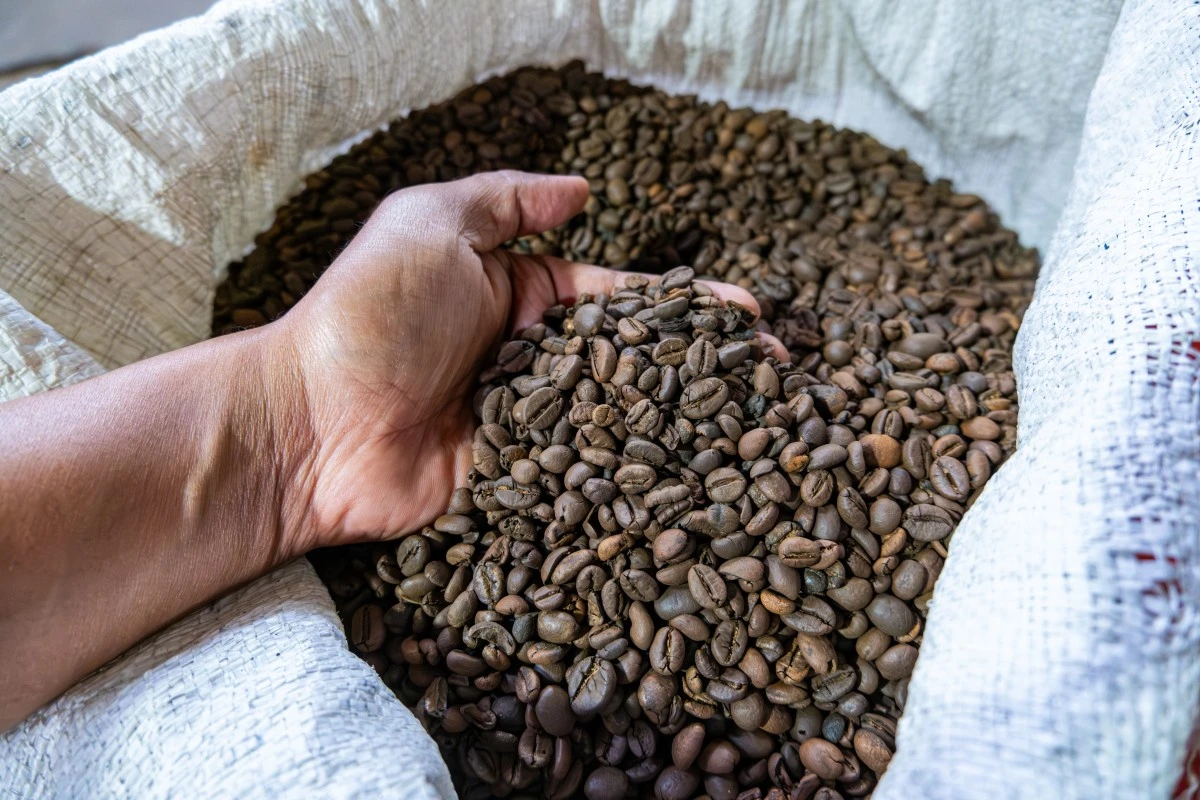 Coffee prices are rising, with Arabica up ~70% and Robusta nearly doubled year-on-year. El Niño risks could add pressure to Robusta supply, increasing demand for more cost-effective formulations.
El Niño clouds the coffee outlook
The same pressure on input costs is also being felt in coffee, where manufacturers have been looking for ways to manage rising prices through formulation and sourcing.
Coffee manufacturers have been facing volatility, with Arabica prices rising around 70% year-on-year and Robusta prices doubling, driving demand for more cost-effective formulations.
Coffee markets have already started to price in an El Niño risk premium, particularly Robusta. Vietnam, Indonesia and India account for the majority of global Robusta production, and warmer, drier conditions could affect reservoir levels, soil moisture, and ultimately flowering and cherry development.
Rabobank says the key risk is not necessarily the current crop, but flowering for the subsequent 2027/28 harvest.
“Companies could also invest more in forward-looking climate and crop intelligence, ideally through cross-company or pre-competitive industry efforts. Some of the most useful warning signs are not headline crop estimates, but leading indicators such as reservoir levels, soil moisture, rainfall deficits, port disruptions, or fishery biomass assessments.”
“For example, falling reservoir levels in Vietnam could be an early warning signal for Robusta coffee availability months before the full impact is visible in export numbers.”
Weather weighs in on sugar
The same regional weather risks are also relevant for sugar, although the impact varies considerably between producing countries. Below-average rainfall in Australia, India, and Southeast Asia could weigh on production, while Thailand faces an additional headwind from an expected contraction in harvested area.
Brazil provides some offset, with excess rainfall during previous El Niño events sometimes disrupting the sugarcane harvest but potentially providing additional supply later in the season.
Grains face a mixed outlook
Grains and oilseeds present a more mixed picture. Argentina and parts of North America could benefit from increased rainfall, supporting crops including corn, soybeans, and winter wheat.
Australia, however, is a key downside risk. Wheat, barley, and canola yields can fall sharply during strong El Niño events, and production losses could have an outsized impact on global grain trade given Australia’s role as a major wheat exporter.
So far, Australian crops are in good to very good condition thanks to near-normal winter rainfall in most growing areas, but Rabobank says the timing of any dry weather will be crucial.
Trade routes add another layer of risk
For food and beverage companies, the geographical spread of these risks is significant. Rabobank notes that El Niño can affect not only agricultural production but also trade routes, with lower river levels potentially disrupting grain transport in Brazil, and drought in Central America potentially constraining Panama Canal capacity.
The bank stresses that El Niño’s effects are correlations rather than deterministic outcomes, and that the intensity and timing of weather anomalies matter. Nevertheless, with the event expected to strengthen, its effects are already being felt in some commodity markets — and could increasingly shape the cost and availability of key food and beverage ingredients through 2026 and into 2027.




Upcoming webinars

Oat-Standing Ingredients - Showcasing Irish Grain Through Innovation
Tirlán Ingredients

2027 Food Safety Risks for Quality & Compliance Leaders
FoodChain ID

Formulating for function: Developing benefit-led beverages with natural colours, botanicals, and flavours
Givaudan Sense Colour