From novelty to NPD: How boba, mochi and cold foam are elevating F&B texture

Key takeaways
- Texture moves beyond novelty, with boba, popping pearls, mochi, and cold foam increasingly appearing in mainstream foodservice, retail, and NPD.
- Cold foam and mochi show particularly broadening applications, while boba and popping pearls expand beyond specialist bubble tea into mainstream beverage platforms.
- Commercialization remains the key challenge, with long-term adoption dependent on texture, stability, processing, scalability, and whether the sensory experience delivers meaningful value to consumers.

From chewy tapioca boba and fruit-filled popping pearls to soft mochi and airy cold foam, texture is becoming an increasingly important ingredient in food and beverage innovation.
Once closely associated with specialist bubble tea shops, Japanese confectionery, and coffeehouse culture, these textural formats are now appearing across mainstream beverages, desserts, dairy, confectionery, and packaged foods.
What began as a point of difference is increasingly being treated as a formulation tool — one capable of changing how a product looks, feels, behaves, and is experienced.
The appeal is clear. A familiar iced coffee can become more indulgent with a layer of cold foam; a dessert can gain a soft, chewy contrast from mochi; and fruit-filled pearls can turn an otherwise conventional beverage into a more interactive experience.

For brands, the opportunity is to use texture to differentiate products, create premium cues, and encourage repeat purchases without necessarily reinventing the underlying flavor profile.
But can ingredients born in trend-driven foodservice formats move beyond novelty to become commercially viable, scalable ingredients for mainstream manufacturers?
More than a novelty
The popularity of bubble tea helped introduce many consumers to chewy tapioca pearls and popping pearls, while Japanese-inspired desserts brought mochi into the mainstream. More recently, coffee chains have popularized cold foam, turning what was once a café specialty into a familiar menu item.
What these ingredients have in common is their ability to transform otherwise familiar products. A flavored iced coffee becomes more indulgent with a layer of cold foam, while yogurt or desserts gain an element of surprise through fruit-filled pearls or soft, chewy inclusions.
For brands operating in increasingly competitive markets, texture offers a relatively accessible way to create premium experiences without fundamentally changing a product’s flavor profile.
However, not every textural ingredient is likely to enjoy the same commercial trajectory.
Texture moves from trend to NPD opportunity
One indication that textural ingredients are moving beyond novelty is the number of brands now incorporating them into mainstream product development.
Beverages have become the most visible testing ground. Starbucks has helped drive consumer familiarity with cold foam as a premium coffee add-on. Meanwhile, its introduction of raspberry-flavored popping pearls in the US Summer-Berry Refreshers range demonstrates how texture can become a central part of a beverage platform rather than simply a supporting feature.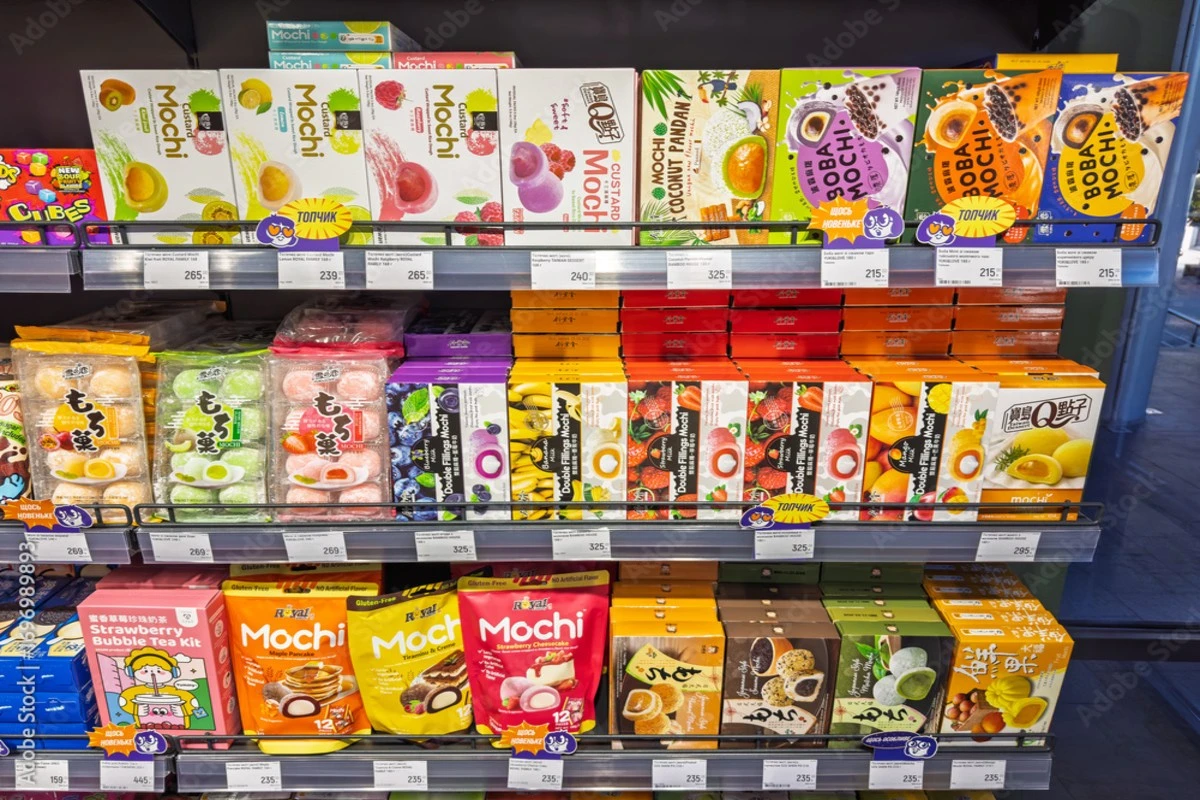 Mochi brings a soft, chewy twist to ice creams, snacks, and sweet treats.
The launch combined visual appeal, flavor release, and a playful drinking experience — qualities that brands increasingly see as valuable in crowded beverage categories.
Quick-service restaurants are also exploring how textural elements can create differentiation at scale. Earlier this year, McDonald’s USA introduced new beverage concepts featuring cold foam and popping boba, showing how interactive textures are beginning to move beyond specialist cafés and into mainstream foodservice environments.
The opportunity is not limited to drinks. Mochi has evolved from a specialist Asian confectionery product into a mainstream dessert format, helped by the growth of mochi ice cream brands, such as Little Moons. The format’s combination of soft, chewy texture and premium positioning has opened opportunities across frozen desserts, bakery, and confectionery.
Ingredient suppliers are also playing a role in expanding the category. Rather than simply supplying traditional boba or pearls, manufacturers are developing solutions designed for industrial applications, including ready-to-use inclusions, smaller pearl formats, and textural systems that can withstand processing and distribution challenges.
These developments suggest the market is moving into a new phase. The question is no longer whether consumers enjoy textural experiences, but how brands can make them practical, scalable, and relevant across everyday F&B categories.
Consumer appetite for texture
Innova Market Insights data shows that desserts featuring mochi flavor and texture had a 22% CAGR between July 2021 and June 2026.
The Innova Trend 2026 Survey highlights strong consumer demand for textured and playful indulgent experiences, as 21% of global consumers say they are looking for chewy and gooey textures (e.g., mochi, brownies, and sticky desserts) in indulgent foods and drinks, while 23% are seeking playful or surprising combinations in their indulgent foods and drinks.
Meanwhile, 17% say they are interested in “mouthfeel” effects, such as fizz, sizzle, crackle, or pop, while 56% say they look for interesting texture combinations in an indulgent food and drink experience. Lastly, 34% say that rich sensory enjoyment (e.g., intense flavor, creamy texture, pleasing aroma) is important to them.
For manufacturers, the attraction of texture must be balanced against practical considerations.
Ingredients like boba and popping pearls can present formulation and processing challenges, from maintaining texture throughout shelf life to ensuring compatibility with existing manufacturing equipment. Storage conditions, product stability, and distribution also become increasingly important as brands look to scale production beyond foodservice into retail.
Cost is another consideration. Premium inclusions inevitably add to formulation costs, meaning brands must demonstrate that consumers are willing to pay for the enhanced experience. While limited-edition launches may justify higher price points, sustained success depends on creating products that deliver value for both manufacturers and consumers.
Operational complexity also varies considerably. Cold foam systems, for example, may require investment in specialist dispensing or formulation technology, while incorporating delicate inclusions into high-speed manufacturing lines presents its own technical challenges.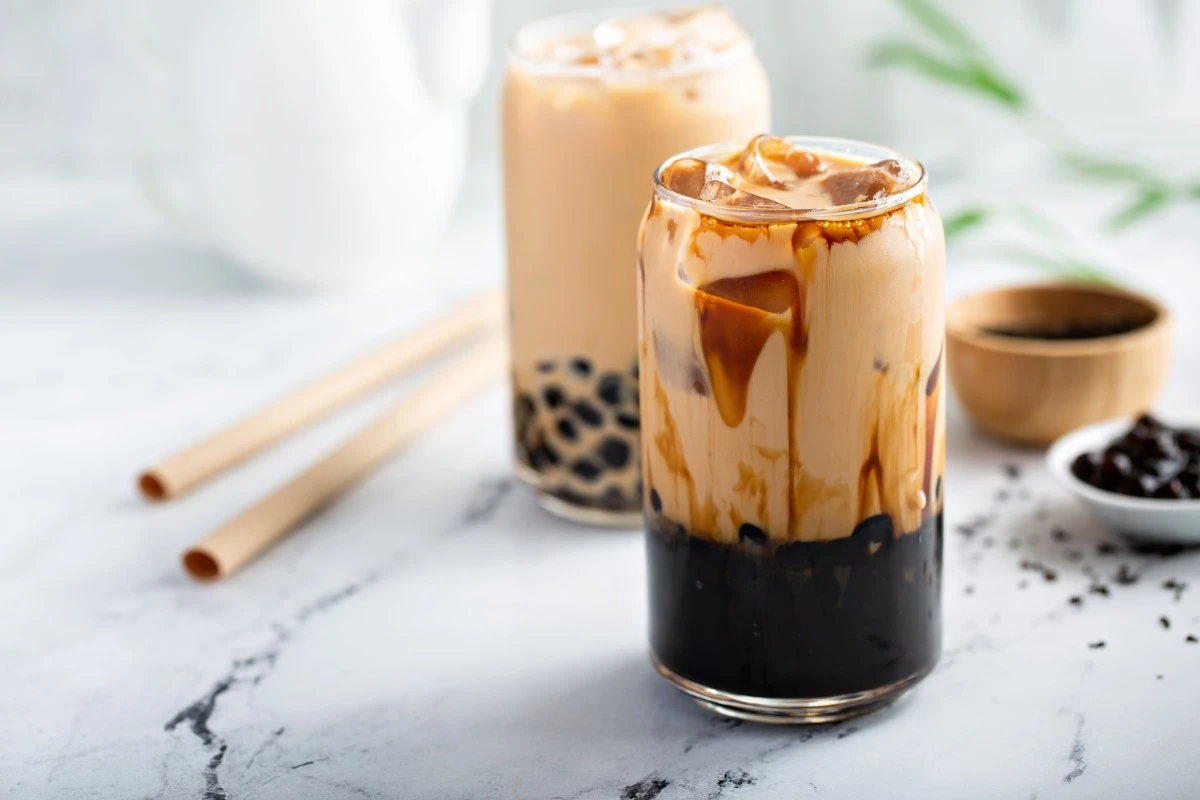 Cold foam has gone mainstream, fueled by coffee chains and at-home options that make the creamy topping easy to recreate.
The commercial opportunity, therefore, depends on more than consumer enthusiasm. Suppliers need to deliver ingredients that retain their intended texture, appearance, and sensory impact throughout manufacturing, storage, and consumption.
Cold foam finds a wider audience
Cold foam may have one of the clearest routes from foodservice trend to mainstream beverage format with coffee chains continuing to expand its use.
Tim Hortons introduced Golden Cinnamon Cold Foam in February as a customizable topping for cold brew, iced coffee, iced lattes, and iced matcha, while Taco Bell added three flavored cold foams to its first-ever cold brew lineup at Live Más Cafés. Caribou Coffee has also incorporated Honeycrisp Cold Foam into its 2026 fall menu.
The cold foam format is also moving into retail. Nestle’s Coffee Mate launched packaged Cold Foam in some US retailers in 2025, allowing consumers to recreate the coffeehouse-style topping at home. This was followed by International Delight’s Cotton Candy Cold Foam Creamer in early 2026.
That combination of foodservice familiarity and retail accessibility gives cold foam a different commercialization profile from more specialized textural inclusions. It can be added to an existing beverage without substantially changing the underlying formulation, while providing an additional layer of flavor, creaminess, and visual appeal.
Mochi moves beyond ice cream
Mochi is also moving beyond its traditional confectionery associations into a broader range of frozen and sweet applications. Recent launches show how the format is being used in ice cream, but also as a textural component in multi-layered products.
My/Mochi launched a new format combining chewy mochi, creamy ice cream, and soft cookies. The company explicitly positioned it around a multi-textural eating experience, unveiling it through the commerce platform Gopuff in summer 2025.
A few months later, My/Mochi unveiled its new Dubai Chocolate Style Mochi Ice Cream, which combines pistachio ice cream, crunchy kadayif, and chocolate bits wrapped in chocolate-flavored mochi dough.
Bazooka debuted its Mini Mochi Gummy in May 2026 during the Sweets & Snacks Expo in Las Vegas, US. The product combines the chew of an American gummy with a soft, squishy texture inspired by Japanese mochi.
Boba and popping pearls broaden their reach
Boba and popping pearls present a more nuanced picture. Their visual appeal and interactive nature continue to resonate with consumers, particularly younger demographics seeking shareable F&B experiences driven by social media trends.
Swiiyo announced its low-sugar Energy Popping Boba Drink in April 2026, combining popping boba with a functional energy beverage. The company says the product is aimed at the RTD energy category rather than simply positioning boba as a bubble tea add-on.
Boba Pops, meanwhile, introduced Pop & Go earlier this month, an RTD cocktail built around alcohol-filled popping pearls that are incorporated into the finished drink.
For these ingredients, the next stage of growth may depend on finding new applications in which their texture is not simply a novelty, but a meaningful part of the product experience.
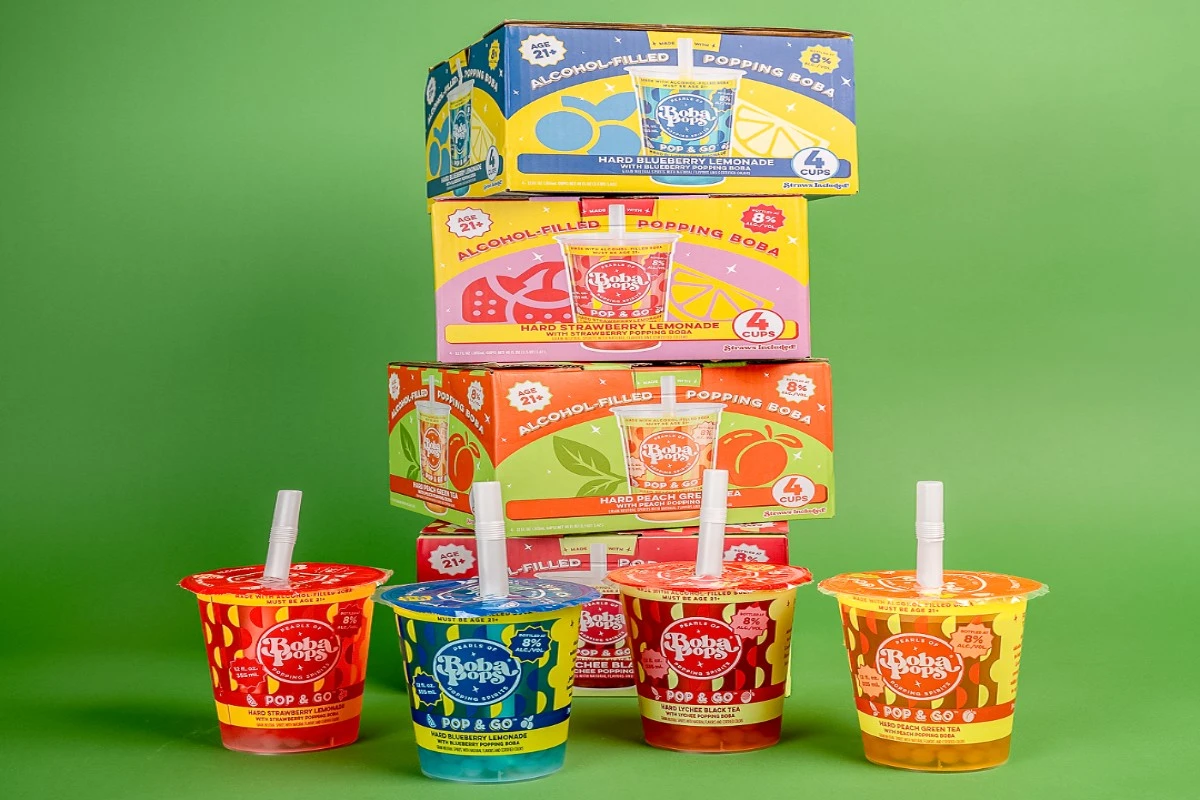 Boba Pops is shaking up RTD cocktails with Pop & Go, a novel drink that combines ready-to-drink cocktails with alcohol-filled popping pearls for a playful twist.
Looking beyond the hype
As with many food trends, there is a risk that some textural ingredients become associated with novelty rather than long-term consumer demand. Social media has undoubtedly accelerated awareness, particularly among younger consumers attracted to visually engaging products and shareable content on platforms like TikTok and Instagram.
The challenge for brands is determining whether these ingredients genuinely enhance the eating and drinking experience, or simply provide short-lived excitement.
The evidence so far suggests that the opportunity is not uniform across formats.
Cold foam is already moving beyond specialist coffee applications, while mochi has demonstrated versatility across frozen desserts and confectionery.
Boba and popping pearls continue to have strong associations with bubble tea and interactive beverages, but their broader potential will depend on finding applications where their texture adds meaningful value to the product.




Upcoming webinars

2027 Food Safety Risks for Quality & Compliance Leaders
FoodChain ID

Formulating for function: Developing benefit-led beverages with natural colours, botanicals, and flavours
Givaudan Sense Colour
Let's reveal the grain potential: Innovate
Meurens Natural