

What makes food “good”? Inside the rise of “ethical nutrition”

Key takeaways
- “Ethical nutrition” extends beyond nutritional value to encompass sourcing, transparency, accessibility, labor practices, animal welfare, and environmental impact.
- Responsibility is shifting across the food value chain, with consumers, brands, ingredient suppliers, producers, and regulators all facing greater scrutiny over how food is made.
- Trade-offs are becoming harder to ignore, requiring the industry to balance nutritional improvements with affordability, sustainability, animal welfare, and supply chain resilience.

For decades, the idea of “good” food has been closely tied to its nutritional credentials — less sugar, more protein, added fiber, vitamins, minerals, or a recognized health benefit. But the way consumers assess food is becoming more complex.
Increasingly, consumers want to understand not only what a product delivers nutritionally, but what sits behind it: how ingredients are sourced, how people and animals are treated, and what impact production has on communities and the environment.
That shift is creating a new question of responsibility for food and beverage industry stakeholders who now have to develop products that meet consumer demand on nutrition while considering the wider consequences of the choices they put into the marketplace.

The idea of “ethical nutrition” sits at the center of that debate. It goes beyond the health claim on the front of a pack to consider how food is formulated, where its ingredients come from, how workers and producers are treated, whether animals are afforded appropriate welfare standards, how transparently products are marketed, and whether healthier choices are genuinely accessible to consumers.
We examine how “ethical nutrition” fits within the current F&B landscape.
From personal choice to shared responsibility
Consumers are often encouraged to take responsibility for their diets. They are told to read the label, understand the ingredients, and make better choices. Yet those choices do not happen in isolation.
The composition of everyday foods, their price and availability, the way nutritional benefits are communicated, and the practices behind their production all influence what consumers ultimately put in their baskets.
But, where does responsibility begin and end?
Building trust through transparency
For ingredient suppliers and food manufacturers, this creates a delicate balance between commercial objectives and a broader responsibility to consumers and society.
In June, Glanbia Nutrition published six trends reshaping functional nutrition, including “Trusted Transparency,” which highlights how consumers are demanding more from food, and more accountability from the brands that make it.
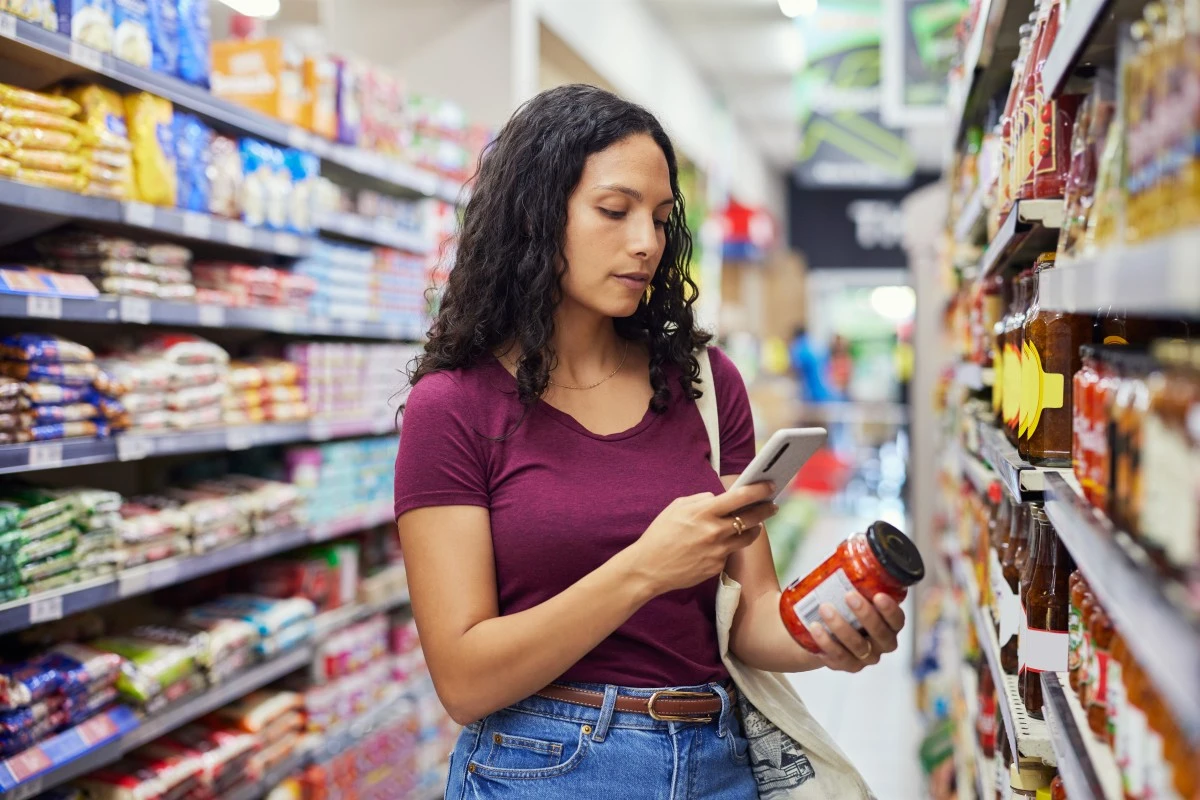 Consumers scrutinize food labels for sourcing and welfare standards.From sugar-sweetened beverage taxes in more than 100 countries and territories to tighter definitions of “healthy” and “low sugar,” the direction of travel is clear — consumers and regulators alike are placing greater emphasis on what nutritional claims mean, how they are substantiated, and how clearly they are communicated.
Glanbia says its research shows that people want to know what is in their food, including how it is made and whether brands are putting their health ahead of profit. That scrutiny is particularly evident around ultra-processed foods. Some 52% of Americans report concerns about them, while 47% say they are making a significant effort to reduce them in their diets. At the same time, social media and AI are reshaping how consumers discover, evaluate, and make decisions about food.
The ethics behind ingredients
Sara De Pelsmaeker, group health & well-being director at Puratos, talks to us about what role ingredient innovation plays in creating a fairer and more ethical food system.
“There’s no single definition of ‘ethical nutrition.’ At its broadest, the term could encompass nutrition that is good for people, good for society, and good for the planet: from the nutritional quality of what we eat, to how it’s produced, communicated, and made accessible,” she tells Food Ingredients First.
“For Puratos, one crucial — and often overlooked — element of ethical nutrition is driving meaningful improvements in the nutritional quality of everyday foods. Claims and regulations serve as essential guardrails for the industry, helping to ensure that consumers can make informed choices. But we believe in going beyond designing products based on what we can claim on-pack.”
“Our objective is to actively push for new research and R&D investments that can improve our collective understanding of human nutrition and drive more differentiated offerings that help brands stand out,” she says.
Sustainable sourcing
A fairer and more ethical food system is shaped by everything from sourcing and sustainability to supply chains and policy, according to De Pelsmaeker.
“Within this system, ingredient innovation is indeed important, but its role is specific: helping to close nutritional gaps, improve affordability, and make better food more accessible to consumers.”
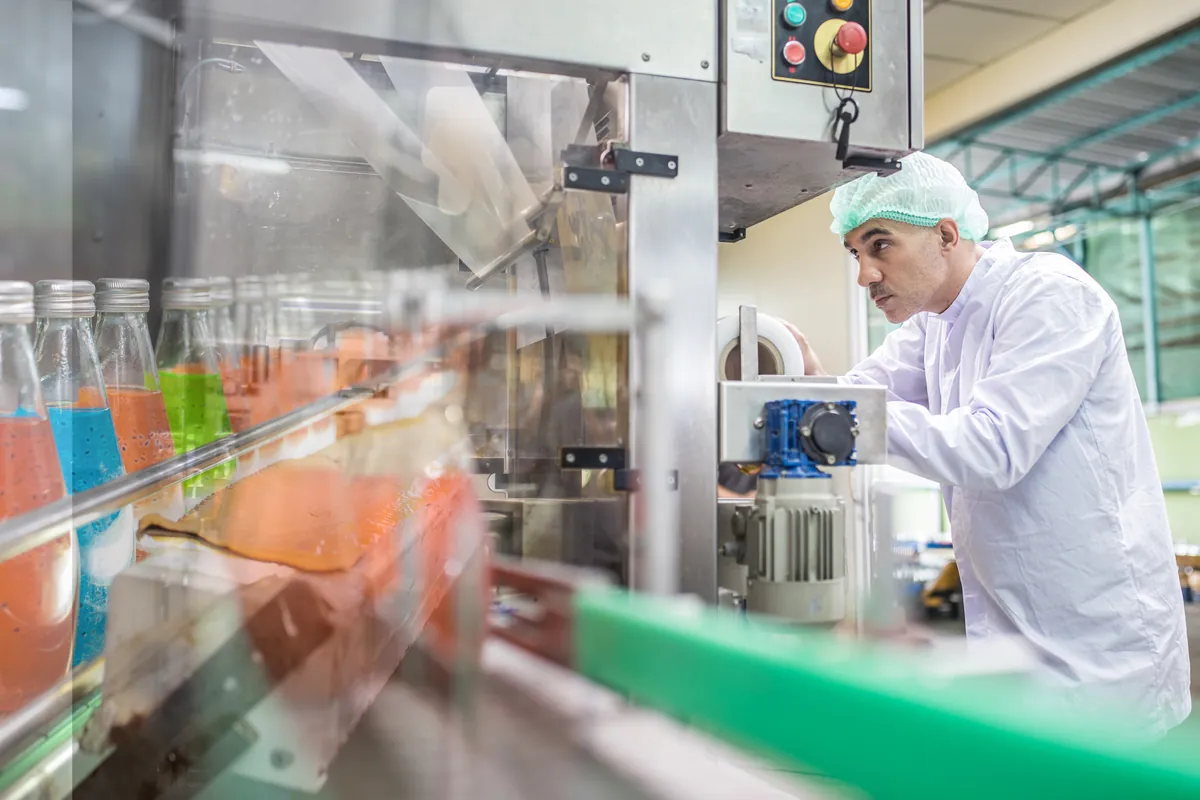 The food industry is considering not only whether products benefit consumers, but also how they are made.“The impact of ingredients on a more ethical food system starts with the upstream partnership decisions most consumers never see. It’s these early decisions which directly shape how nutritious, transparent, enjoyable, and relevant the resulting downstream product is.”
“Making those decisions well hinges upon effectively combining consumer insight, science, R&D, and application expertise with customer knowledge on their brands, operations, and markets. For us, that’s what food innovation for good looks like, and it fundamentally shapes our approach to creating food that delivers meaningful benefits for our customers, people, and the planet,” she says.
But the role of the ingredient sector does not necessarily end with nutritional performance.
As expectations around responsible sourcing grow, companies are increasingly being asked to look across their supply chains — from agricultural practices and farmer livelihoods to labor standards, animal welfare, traceability, and environmental impact.
For food and ingredient companies, that means greater scrutiny of welfare standards and sourcing practices — recognizing that the credibility of a product extends to the conditions behind its ingredients.
For other businesses, this means working more closely with producers and suppliers rather than treating sourcing as a purely transactional relationship. It can mean greater visibility into where raw materials originate, investment in more resilient supply chains, or efforts to improve conditions for the people and communities involved in production.
The animal welfare question
“Ethical nutrition” is increasingly shaping how the food industry thinks about the future of food, extending the conversation beyond nutritional value to the conditions under which food is produced.
Animal welfare is becoming an increasingly important part of how consumers judge food. For products containing animal-derived ingredients, attention is shifting beyond nutritional value to how animals are raised, handled, and treated.
Recent developments — from China’s shift toward cage-free duck farming to UK restaurant chains reconsidering the Better Chicken Commitment and supermarkets tightening welfare standards for prawns — show how animal welfare is becoming a more visible part of food policy and sourcing decisions.
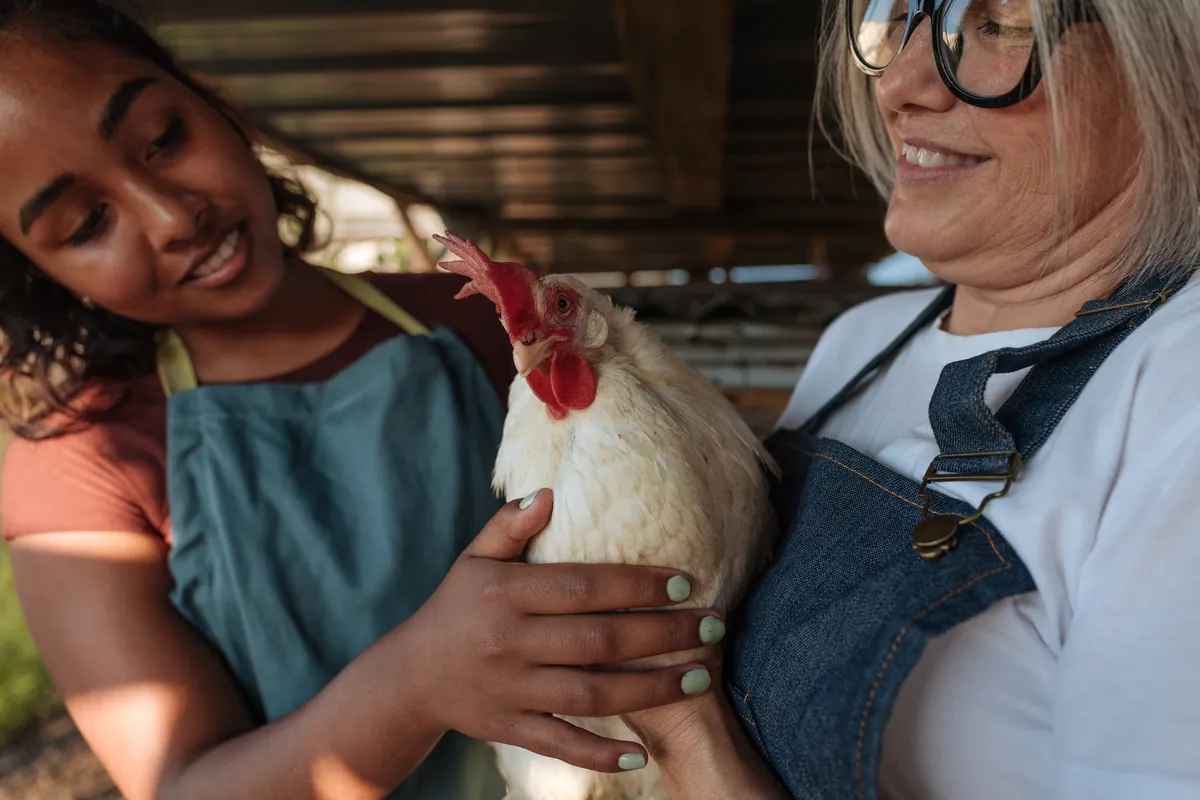 Growing attention to cage-free farming and livestock welfare is influencing food policy and sourcing decisions.At the same time, the EU’s renewed push for cage-free farming and growing scrutiny of livestock welfare highlight a broader question: can the industry deliver nutritious, affordable food while also raising the ethical standards of the systems that produce it?
The growing importance of animal welfare is also illustrated globally, as countries such as Mexico, the US, and Japan call for greater octopus protection. Meanwhile, following years of regulatory delays and scrutiny, Nueva Pescanova has abandoned its plans for the world’s first commercial octopus farm in the Canary Islands, Spain.
In March 2026, Chinese meat company Yurun committed to sourcing exclusively from cage-free suppliers amid rising expectations around animal welfare, food safety, and ethical supply chain management.
Balancing what matters
Ultimately, “ethical nutrition” may be less about finding a single definition of “good” food than acknowledging the trade-offs involved in creating it.
A formulation can improve nutritional value while increasing environmental pressure; a sourcing decision can strengthen resilience while raising costs; a welfare commitment can add complexity to an already stretched supply chain.
There are rarely simple answers, but that may be precisely why the conversation matters. As the boundaries of nutrition continue to expand, the F&B industry will have to become better at asking not only whether a product is “good” for consumers, but what it took to make it “good” in the first place.
The challenge for the F&B sector, therefore, is not simply to produce products that satisfy one ethical criterion. It is to consider the wider impact of innovation and find ways of improving nutritional value without creating new barriers elsewhere in the system.
That may require closer collaboration across the value chain, from ingredient suppliers and farmers to manufacturers, retailers, regulators, and consumers.
It also requires a shift in how companies think about trust. Transparency cannot simply mean communicating the benefits of a finished product. It increasingly means being able to demonstrate how those benefits fit within a credible story about sourcing, production, and responsibility.