



“Frankenchickens” resurrected: Why did UK restaurant chains abandon the Better Chicken Commitment?

Key takeaways
- UK restaurant chains have withdrawn from the Better Chicken Commitment, citing supply issues and environmental concerns tied to slower-growing chicken breeds.
- Animal welfare groups criticize the shift to fast-growing “Frankenchickens,” as the animals are likely to endure a short life of chronic pain and trauma.
- The new Sustainable Chicken Forum promotes the industrial farming of fast-growing chickens amid rising consumer demand for more ethical poultry practices.
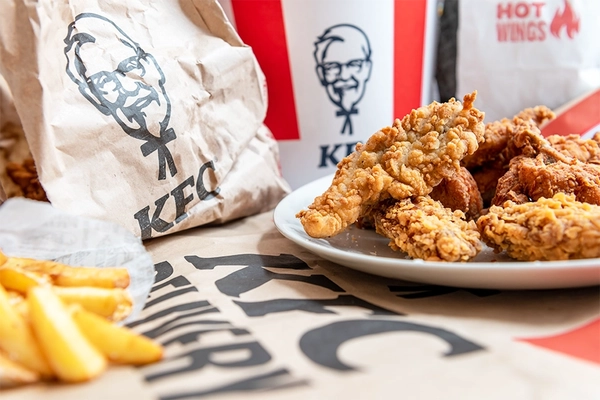
Major UK restaurant chains, including Nando’s, KFC, Wagamama, and Burger King, have withdrawn from the Better Chicken Commitment, citing supply constraints and increased environmental impacts due to the requirement to source only slower-growing breeds. The hospitality industry has instead formed the Sustainable Chicken Forum, which supports the industrial farming of fast-growing chickens (known as “Frankenchickens”), engineered for rapid meat production.
Animal rights groups have accused these chains of prioritizing profit over animal welfare. Fast-growing chickens are bred to reach market weight in around five weeks, and their unnatural growth can lead to chronic pain, physical deformation, and psychological trauma.

The Sustainable Chicken Forum claims “to advance chicken welfare,” while balancing environmental sustainability and supply pressures. The eight businesses that form the group and own or franchise 18 leading hospitality brands argue that slower-growing breeds produce more GHGs and require more water, and could reduce poultry production by up to 44% across Europe.
“Our restaurants and food-to-go brands are critical parts of the high street, and we know that consumer demand for chicken continues to soar,” says Allen Simpson, CEO of trade body UKHospitality. “However, this demand comes at a time of acute chicken supply pressures, and operators rightly have to ensure consistent and secure supply chains, while continuing to improve welfare standards and cut their environmental impact.”
Animal welfare groups maintain that the welfare issues linked to fast‑growing breeds cannot be resolved without transitioning to slower-growing breeds. They argue that while slower-growing breeds may influence cost and environmental metrics, effective mitigation strategies can ensure higher-welfare systems remain commercially and environmentally viable.
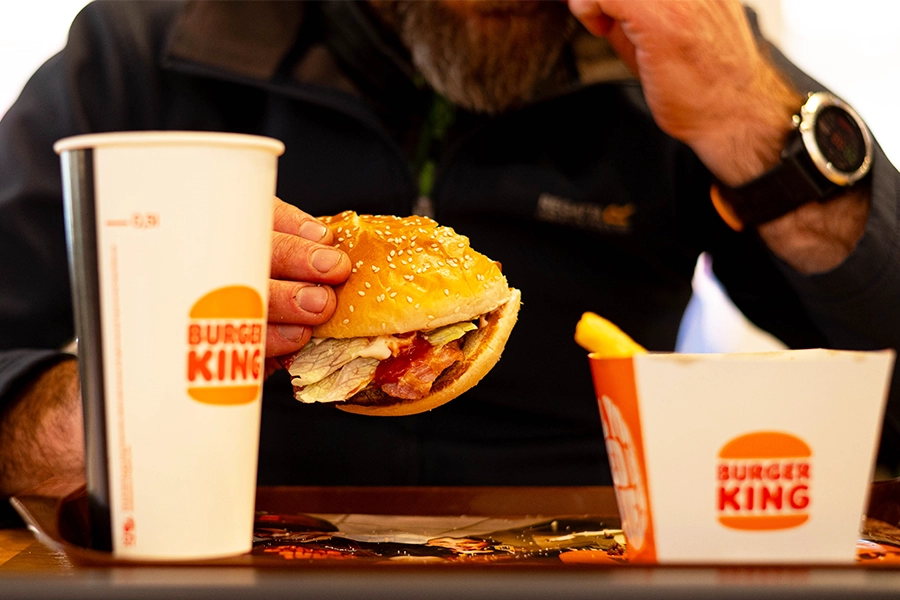 Several UK chains exited the Better Chicken Commitment, citing supply pressures. The new Sustainable Chicken Forum backs fast-growing breeds to protect volume and resilience.“Businesses should never be allowed to self-regulate, particularly in matters as vital as the treatment of sentient beings — it is foxes guarding the chicken coop,” says Claire Williams, campaigns manager at The Humane League UK. “This cartel of cruelty has completely shirked their duty to animals, and are patting themselves on the back about it. This is a massive backslide for animal welfare, and a tragic victory for factory farming.”
According to the charity — one of the ten animal welfare organizations that created the Better Chicken Commitment in 2017 — “Frankenchickens” account for over nine in ten chickens raised for their meat in the UK, growing from chick to slaughter weight in 35 days on average.
Was the Better Chicken Commitment failing?
The Sustainable Chicken Forum claims there has not been a significant increase in the supply of slower-growing breeds across the sector. A Wageningen University & Research study (2022) found that 5% of farmed chickens in the UK are slower-growing breeds.
However, the Better Chicken Commitment says progress toward slower-growing breeds is underway. “Better Chicken Commitment-compliant chicken is available, and supply will continue to grow as retailers, such as M&S and Waitrose, expand their volumes,” Compassion in World Farming tells us. “The foodservice sector should be capitalizing on this progress, not stepping away from it.”
“We fully acknowledge that implementing the Better Chicken Commitment, including changing breed, can present some challenges, which is why we have offered timeline extensions to support companies through their transition.”
The UK Government stated in its recently released Animal Welfare Strategy that it will support voluntary efforts to move away from fast‑growing broiler breeds, while Norway has already committed to ending this type of farming. “The trajectory is clear, and Better Chicken Commitment‑aligned supply chains are already demonstrating readiness and scalability,” says Compassion in World Farming.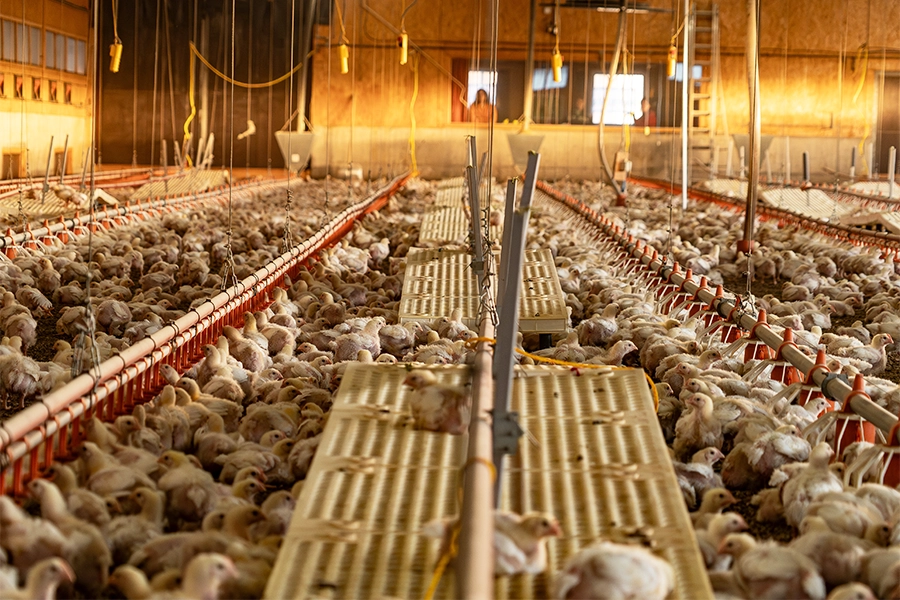 Animal welfare groups warn the shift risks reputational fallout, potentially misaligning brands with consumer, investor, and policy expectations.
Do restaurant chains risk reputational damage?
KFC has reported meeting nearly half of the Better Chicken Commitment’s requirements since signing up in 2019, including environmental standards for air quality and cage-free rearing. The fast-food chain says it will not scale back on welfare after withdrawing from the commitment last month, and aims to support its net-zero and long-term supply resilience by joining the Sustainable Chicken Forum.
Despite being the UK’s leading fried chicken brand, KFC reportedly buys less than 4% of UK poultry, reflecting the disproportionate volume of chicken bought by supermarkets (roughly 70%).
Animal welfare groups argue the Sustainable Chicken Forum relies on a limited sustainability assessment that overlooks the benefits of slower-growing breeds. They detail reduced waste (from lower mortality and downgrades) and the use of antibiotics, as well as consumer support for the Better Chicken Commitment and positive farmer experiences with higher‑welfare systems.
“Aligning with the Better Chicken Commitment carries reputational and strategic value: it reflects consumer and investor expectation, aligns with emerging government policy, responds to scientific evidence, and demonstrates genuine commitment to animal welfare. Choosing a weaker alternative framework carries clear risks of falling behind policy direction, consumer sentiment, scientific consensus, and industry leadership,” says Compassion in World Farming.
Animal welfare is an increasingly important consideration for some consumers. Innova Market Insights found that 30% of global consumers say they look for animal welfare claims when making F&B purchases. According to the market researcher, there was a 4% increase in F&B launches with ethical animal welfare claims globally between October 2020 and September 2025.