


Hydration beyond the hype: Developing next-generation functional beverages
Where function meets marketing in the expanding hydration drinks market

Key takeaways
- Brands are targeting everyday routines, family hydration, and wellness through new formats, including sparkling drinks and electrolyte powder mixes.
- Products increasingly emphasize convenience, clean ingredients, reduced sugar, and lifestyle benefits to differentiate themselves in a competitive functional beverage market.
- Thoughtful electrolyte formulation, balanced mineral levels, and clear intended uses can help manufacturers deliver meaningful hydration benefits while differentiating products in a growing market.
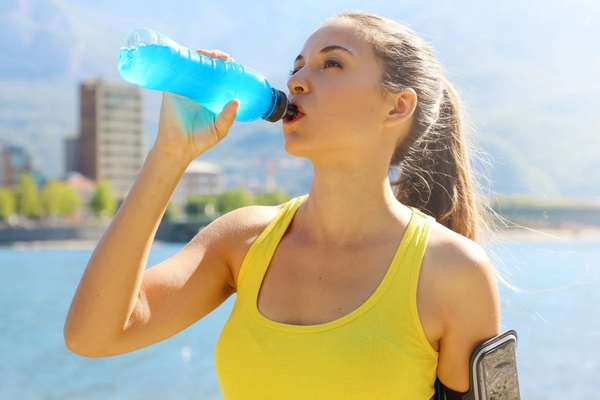
Electrolytes have traditionally been associated with sports drinks and replacing minerals lost through sweating. Increasingly, however, brands are positioning them for a much broader range of consumers and occasions, from morning routines and busy working days to family hydration and everyday refreshment.
Recent product launches illustrate how far the category is expanding, encompassing sparkling beverages, convenient powder mixes, reduced-sugar formulations, and products designed for specific consumer groups.
But as electrolyte drinks move beyond their traditional sports nutrition roots, brands are addressing distinct hydration needs and extending the concept of functional hydration into everyday drinking occasions as a way to differentiate their products in an increasingly competitive market.
The distinction matters because electrolyte inclusion alone does not establish a meaningful hydration benefit. The relevance of a formulation depends on factors including electrolyte levels, fluid losses, activity, and intended use.

A drink developed to replace sodium lost during prolonged exercise is not necessarily serving the same purpose as a beverage marketed for general everyday refreshment.
For manufacturers, the challenge is to balance taste, convenience, and consumer expectations around ingredients and sugar content with a clear functional rationale. As hydration becomes a broader beverage proposition, the opportunity lies in defining what those products are designed to do — and ensuring that their marketing reflects that purpose.
New formats, new occasions
Throughout 2026, new product development has continued to reflect demand for better-for-you beverages that combine taste, convenience, and functional benefits. Increasingly, brands are positioning hydration alongside wider lifestyle and ingredient-led propositions, extending their appeal beyond traditional sports nutrition.
Recent launches illustrate how brands are translating this much broader proposition into new formats and consumption occasions.
The Coca-Cola Company’s Bodyarmor Fit brings electrolytes into a sparkling sports drink format. Coca-Cola’s marketing during this launch specifically positioned the product for daily routines, rather than just workouts.
“Bodyarmor Fit represents a natural evolution of our portfolio as we continue to meet consumers where they are,” says Sara Weaver, VP of brand marketing at Bodyarmor. “People are staying active in different ways throughout the day, and this was designed to fit seamlessly into those routines with a new sparkling format that still delivers the functional hydration expected from us.”
The launch illustrates how brands are broadening the occasions associated with sports drinks, using format and lifestyle positioning to bring functional hydration into everyday routines.
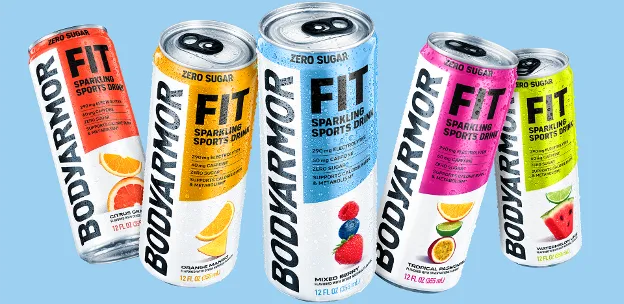 The Coca-Cola Company’s Bodyarmor Fit was launched as a sparkling electrolyte sports drink designed for everyday hydration beyond the workout.
Targeting active lifestyles
Ascent Clean Hydration, from Ascent Protein, takes a similar approach, promoting a convenient electrolyte drink mix for modern, active lifestyles. Suggested occasions include morning workouts, busy working days, travel, and even parenting, extending its positioning beyond exercise alone.
The product delivers 800 mG of electrolytes from sodium and potassium, alongside 4 g of added cane sugar, which the company says supports electrolyte absorption.
True Sea Moss has taken a different approach with sparkling electrolyte drinks featuring sea moss and real fruit, while 2O3 combines electrolytes with honey in a performance-focused beverage.
This positioning places hydration alongside flavor, ingredient appeal, and everyday refreshment, illustrating how electrolyte content can become one component of a broader product proposition.
“The line reflects True Sea Moss’ continued focus on clean, food-first formulas: real ingredients, no artificial sweeteners, and a functional mineral profile consumers can understand at a glance,” the company says.
Elsewhere, Capri Sun Hydrate targets hydration designed for children, and Plezi Nutrition’s relaunched Plezi Hydration emphasizes real fruit juice and no added sugar.
Research reveals rising hydration claims
Innova Market Insights data indicates a 39% increase in hydration-support claims across food and beverage launches from October 2021 to September 2026. Soft drinks accounted for the largest share of launches featuring these claims, at 82%.
Within functional nutrition, mentions of electrolytes on product launches grew by 41% over the same period, highlighting the expansion of electrolyte-enriched waters into the mainstream market beyond traditional sports nutrition.
The future of functional hydration
As electrolyte beverages move further into everyday wellness and mainstream refreshment, manufacturers face the challenge of communicating credible benefits rather than relying on hydration claims alone.
Taste, convenience, reduced sugar, and ingredient transparency can all help differentiate products, but the functional proposition needs to be clear about what the formulation is intended to deliver.