


Nueva Pescanova abandons world-first octopus farm after regulatory delays

Key takeaways
- Nueva Pescanova abandons plans for the world’s first commercial octopus farm after years of regulatory delays and scrutiny.
- The project became a global flashpoint over the ethical, environmental, and public health impacts of octopus farming.
- The decision could shape future investment and regulation of commercial octopus aquaculture.
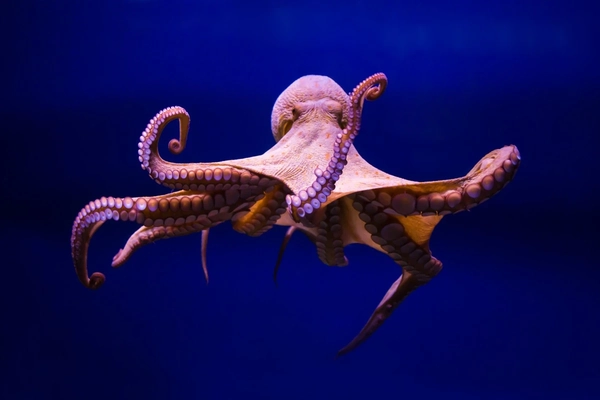
A plan to build what was widely billed as the world’s first commercial octopus farm has been shelved, marking the end of one of the seafood sector’s most closely watched and controversial aquaculture projects.
Spanish seafood company Nueva Pescanova has officially withdrawn its plans to develop a large-scale octopus farming facility at the Port of Las Palmas in Gran Canaria, in the Canary Islands, following years of controversy around this proposal.
The decision brings to a close a project that had been under scrutiny from scientists, environmental groups, animal welfare organizations, and policymakers since it was first unveiled in 2021.
Nueva Pescanova is understood to cite prolonged administrative delays and uncertainty surrounding environmental and sectoral approvals as key reasons for the U-turn.

Global demand for octopus has risen steadily over the past two decades, driven by consumption in Southern Europe and East Asia, while catches from wild fisheries have fluctuated, prompting interest in aquaculture as a potential new source of supply.
Aquatic advocacy
The proposed facility was expected to produce around one million common octopuses annually for human consumption, positioning Spain at the forefront of commercial octopus aquaculture.
While the company had argued the project would help meet growing global demand while reducing pressure on wild fisheries, opponents maintained that octopus farming presented significant ethical, environmental, and public health concerns that had yet to be adequately addressed.
The project’s cancellation follows several years of coordinated international advocacy led by the Aquatic Life Institute and members of the Aquatic Animal Alliance, a coalition of more than 190 organizations.
Campaigners submitted scientific evidence to Canary Islands authorities questioning the environmental impacts of the proposal and later published research, highlighting potential disease risks associated with intensive octopus production.
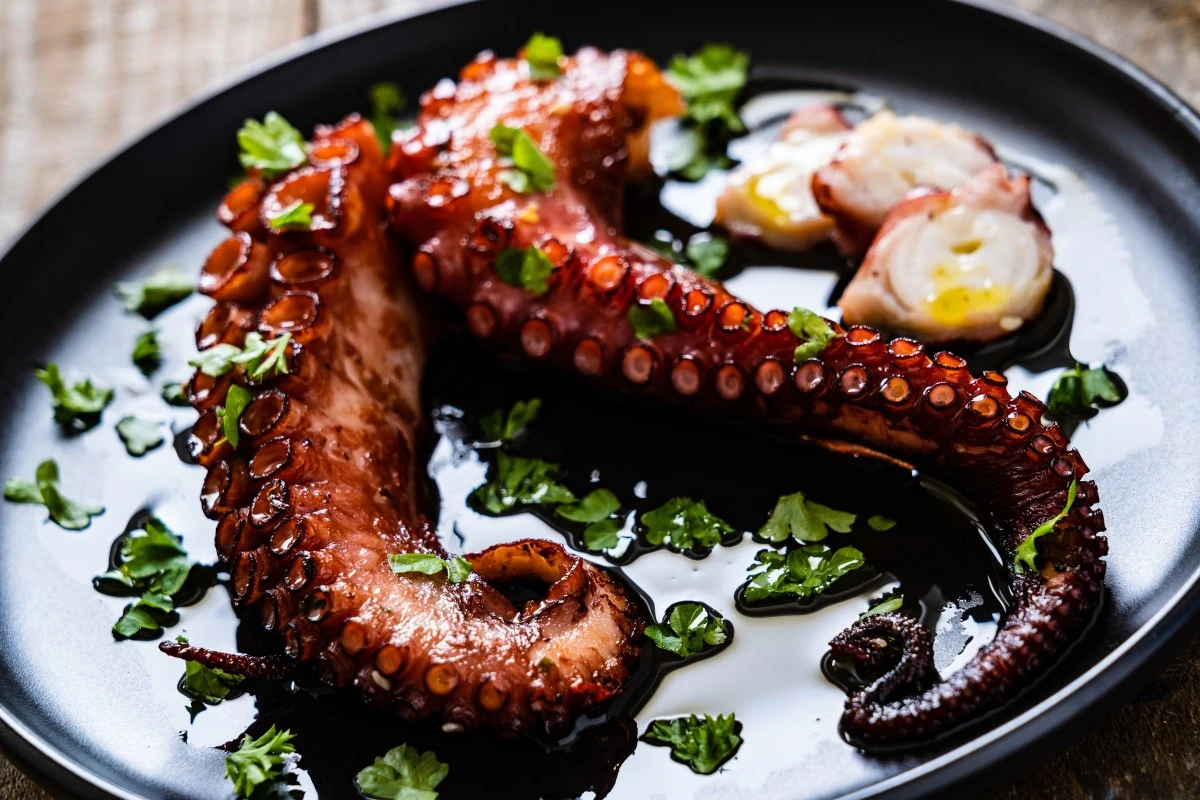 Octopus consumption has increased globally in recent decades, particularly across Southern Europe and East Asia.
Ethical and environmental questions
Those concerns contributed to the Canary Islands government requesting a more comprehensive environmental impact assessment, a move that significantly slowed regulatory progress. By late 2024, reports indicated investment in the project had stalled as permitting remained unresolved.
Tessa Gonzalez, director of research and impact at the Aquatic Life Institute, says the abandonment of the commercial octopus farm is a landmark decision for the global movement opposing commercial octopus farming.
“Nueva Pescanova’s decision to abandon the pursuit of the Las Palmas commercial octopus farming project is a watershed moment in the global effort to ensure this practice, which has negative implications for animal welfare, the environment, and public health, is never established,” she says.
“Innovation has an important role to play in improving food systems; however, it cannot resolve every challenge involving ethics, governance, and animal welfare. Sometimes, the most responsible innovation is restraint, and this decision reminds us that progress is measured not only by what we choose to build, but also by what we choose not to.”
Beyond regulatory hurdles, the project highlighted broader questions about whether octopus aquaculture can be commercially viable. While Nueva Pescanova invested heavily in research to overcome the long-standing challenge of breeding octopuses in captivity, scaling production has remained scientifically and economically difficult.
Unlike many farmed fish species, octopuses are carnivorous, requiring protein-rich diets that rely heavily on fishmeal and fish oil.
Critics argue that expanding octopus farming could increase demand for wild-caught forage fish, potentially undermining sustainability goals rather than easing pressure on marine resources.
A win for animal welfare
Animal welfare has been another central issue. Octopuses are increasingly recognized by scientists as highly intelligent, sentient animals capable of complex behavior, problem-solving, and experiencing pain.
Researchers have questioned whether they can be housed humanely in intensive farming systems, warning that crowded conditions could lead to chronic stress, aggression, and cannibalism. There is also no widely accepted humane method for slaughtering octopuses on a commercial scale.
Public health concerns have also featured prominently in the debate. Some researchers have warned that intensive aquaculture systems could contribute to the spread of pathogens and antimicrobial resistance if antibiotics are used extensively, although the extent of those risks in octopus farming remains the subject of ongoing scientific discussion.
The cancellation comes as legislative efforts to prohibit octopus farming continue to gain momentum in several jurisdictions.
In the US, Washington state and California have enacted laws restricting octopus farming, while proposals have also been introduced federally and in several other states. Similar legislative initiatives have emerged in countries including Spain, Chile, and Mexico.
In May, a coalition of 182 animal welfare and environmental groups urged Japan’s government to reconsider public funding tied to cephalopod aquaculture.
For the seafood industry, Nueva Pescanova’s withdrawal represents a rare instance in which a proposed intensive aquaculture sector has been halted before reaching commercial production.
Whether the decision marks the end of large-scale octopus farming ambitions or simply delays their development elsewhere remains uncertain.
However, the outcome is likely to influence future investment decisions, regulatory assessments, and public debate as the aquaculture industry continues to explore new species to meet growing global seafood demand.