


Flavor innovation in 2026: Swicy heat, tropical twists and sensory surprises

Key takeaways
- Tart fruits and natural acidity are becoming more commercially valuable as manufacturers seek stronger flavor impact while reducing sugar.
- Tropical, multisensory innovation drives flavor strategies, such as Agrana’s mango, Ocean Spray’s cranberry, and Sensient’s sensation-led flavors.
- Social media accelerates demand for visually distinctive Asian flavors, such as ube, pandan, matcha, and Korean-inspired profiles.

Flavor innovation is becoming more deliberate amid economic pressures and consumer demands for more than just taste. F&B manufacturers now need to develop flavors that offer affordable indulgence, support sugar or salt reduction, mask protein off-notes, and even replicate sensations, such as crunch, cooling, or warmth.
Flavor trends including tropical fruits, specialty citrus, balanced sweet-spicy combinations, and culturally specific profiles are now entering mainstream applications.
The popularity of viral flavor trends, such as Dubai chocolate and ube, exemplifies the consumer quest for diverse flavors. Nearly two in three consumers globally say they like trying food they have never tasted before, according to Innova Market Insights.
F&B launches featuring flavor ingredients increased by 22% YoY between April 2024 and March 2026, finds the global market researcher.

Experts at Agrana Fruit, Ocean Spray Ingredients, Sensient Flavors & Extracts Europe, Synergy Flavours, JPL Flavours, and Kerry speak with Food Ingredients First about which flavor trends are moving from niche curiosity to commercial opportunity — and how brands can build lasting consumer relevance.
Swicy, tart and tropical as breakout flavors
Nandrianina Raboanason, marketing manager, Sensient Flavors & Extracts Europe, says indulgence and functionality can co-exist, as familiar bakery and dessert flavors like cinnamon bun and brownies expand into coffee and better-for-you formulations.
 Nandrianina Raboanason: Taste mash-ups like swicy and swalty depict consumer expectations of heat balanced with sweetness rather than pure spice.She points to the “swicy/swavory/swalty/swangy” flavor trends in F&B. “Consumers are increasingly expecting heat to be balanced with sweetness rather than pure spice. It has expanded from sauces, into beverages, snacks, confectionery and desserts,” she says.
Hot honey, mango habanero, gochujang caramel, and pineapple chili are part of the emerging “fricy” trend combining fruit with heat.
Adena Barber, growth and customer marketing manager at Ocean Spray Ingredients, emphasizes that the blend of sweet and spicy in “swicy” formats provides a “multisensory experience” that consumers crave.
“Cranberry’s tart-sweet profile is naturally positioned in this category — ideas include chili lime dried cranberries, cranberry hot honey, and spicy cranberry margaritas.”
Nutrient-rich and tropical fruits, such as mango, guava, calamansi, and tamarind, are gaining traction across different product categories, Suzanne Davies, Agrana Fruit’s global category & commercialization manager, tells us.
She describes mango as a “playground for innovation” that the company is exploring in its offerings. “Think about a mango espresso yogurt drink, hydrating mango sorbet bites, or a mango dulce de leche donut filling, the opportunities are nearly endless to tailor mango to the application, season, consumer target group, or market.”
Consumers travel with tastebuds
Matthew Titmus, executive chef for Global Taste Applications and Innovation at Kerry, argues that broad flavor labels are losing relevance as consumers are no longer satisfied with descriptions such as “Asian-inspired” or “Mediterranean.”
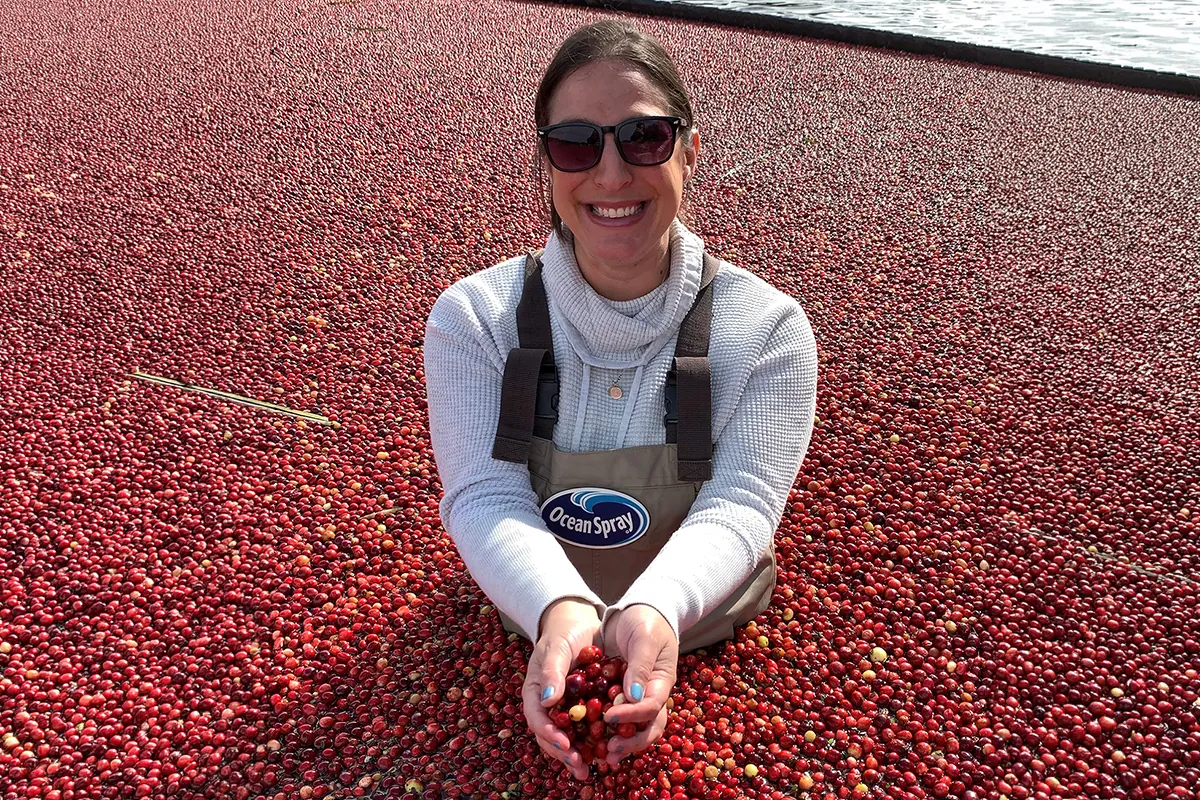 Adena Barber: Cranberry as a bridge between familiar foods and globally-inspired flavors for a “premium on-trend” flavor elevation.They are more interested in the background stories of the flavors they experience, which Titmus says is urging brands to move beyond borrowing a single ingredient or flavor.
“We’re also seeing what we call ‘global cross-pollination.’ A flavor might first appear in a restaurant, then move into street food, before finding its way into retail products, meal kits, snacks, beverages, and even confectionery.”
Raboanason also notes the shift from generic “curry” or “Mexican” flavors toward specific profiles such as “Thai green curry” and “Japanese katsu curry,” adding that global and regional flavors are no longer abstract.
She emphasizes that consumers are allowing themselves “a little travel with their tastebuds” as they use food to explore regions from Africa and the Middle East to US barbecue traditions.
Social media accelerates flavor innovation
Bright, visually striking foods from around the world continue to spread across social media. As Helen Burrett, marketing manager at JPL Flavours, explains: “Consumers are increasingly drawn to colorful products, as they’re “aesthetically pleasing and highly shareable.”
“Following the success of matcha, another green ingredient, pandan, ‘the vanilla of the East,’ is now gaining traction online and among small independent businesses. Pandan offers a sweet and aromatic flavor profile, often described as a blend of coconut, almond, and vanilla with notes of freshly cut grass.”
Jamie Blake, European category development manager at Synergy Flavours points to TikTok and Instagram influencers as major drivers of interest in Asian culture and flavors.
 Social media influencers act as major drivers of interest in Asian culture and flavors.“For example, Nestlé’s Maggi seasoning brand has announced a trio of Korean-inspired noodle seasoning packs, featuring Gojuchang Beef, Kimchi Chicken, and Spicy Cheese flavors.”
Sensient Flavors & Extracts Europe has developed a range of flavor solutions called “SensEffect” to offer consumers tingling, numbing, cooling, or heating sensations in the mouth amid growing demand for multi-sensory experiences, says Raboanason.
“The tingling sensation creates a light, sparkling, or popping feeling on the tongue, adding movement and playfulness to the eating experience. The cooling sensation provides a clean, refreshing effect, without the expected minty taste.”
Flavor technology targets texture and off-notes
JPL Flavours and Synergy Flavours note that flavor technology can improve the complete sensory experience in functional products by recreating textures and masking off-notes.
JPL’s “Crunch ’n Crumble” range delivers the perception of crunchy inclusions in dairy products while maintaining stability and processing consistency, Burrett notes.
“The collection includes biscuit chunks, corn flake clusters, toasted oaty clusters, freshly popped popcorn, toasted tortilla, and warm pretzel, which work particularly well in products with a dairy base, including ice cream, yogurt, dairy-based ready-to-drink products, buttercream, and dairy desserts.”
Synergy’s modulation technology tackles astringency and artificial notes in high-protein dairy through its recently-launched “astringency masker,” Blake shares. The process helps manufacturers tap into the “protein craze in NPD and range extensions.”
 Matthew Titmus: Kerry’s citrus pairing method combines flavor chemistry, AI, and consumer insights to uncover novel flavor combinations.“Primary research conducted by Synergy found that taste in high-protein yogurts is a common complaint, with 75% of UK respondents experiencing taste challenges, citing astringency, artificial flavor, chalkiness, and dry mouthfeel as the most prominent issues.”
Kerry’s approach utilizes its citrus pairing method to combine culinary expertise, flavor chemistry, AI analysis, and consumer insight to identify why ingredients work together, Titmus notes.
“Traditional pairings, such as citrus with mint or black tea, remain incredibly relevant, but the methodology also highlights opportunities involving fermented ingredients, botanicals, spices, and savory components that might not previously have been considered.”
Cost pressures reshape flavor innovation
Davies at Agrana Fruit says brands are “avoiding large risks on unfamiliar or short-lived flavors,” as many consumers face a cost-of-living crisis. Instead, companies are introducing limited editions, regional launches, and “recognizable taste profiles” to make bold flavors feel safer during periods of uncertainty.
Barber says that consumers are “spending carefully but still seeking flavor adventure.” “Brands seem to be using flavors as a relatively low-cost way to differentiate products without fundamentally changing formulations or adding expensive functional aspects.”
She explains the industry’s use of the “familiar + novel approach,” through the example of cranberries — a familiar anchor ingredient, which, when combined with elderflower, adds a “premium on-trend flavor.”
 Despite cost pressures, consumers still seek affordable indulgence, making flavor central to NPD and reformulation.Meanwhile, Raboanason at Sensient describes flavor companies’ approach as “cautious and experimental,” depending on the product format. Consumers are more willing to try new flavors in convenient formats such as snacks, bakery, and small RTD beverages than in “heavier,” more “engaging,” and costlier products like ice cream.
She suggests “limited-time offers” to allow brands to test bold flavors, generate social media buzz, and withdraw underperforming products with minimal risk.
Furthermore, Titmus at Kerry argues that brands have not become less experimental, but are increasingly anchoring “innovation in familiarity.”
He explains this through the “80:20 approach” — roughly 80% familiarity and 20% novelty. “It might be a familiar protein finished with a yuzu glaze, a comfort food elevated with a Korean BBQ profile, or a classic beverage refreshed with calamansi or blood orange.”
Future flavor trends
Looking ahead, Davies expects flavor trends combining functional relevance, authenticity, and engaging sensory experiences to shape innovation.
 Suzanne Davies: Trends built on shock value or complexity without clear consumer benefits are more likely to fade.“Tropical fruits, globally-inspired profiles, sweet-spicy combinations, and flavors naturally associated with benefits, such as energy, hydration, or digestive health, are likely to continue growing,” she says.
For Barber at Ocean Spray Ingredients, “tartness of ingredients” will become a strategic asset. “Consumers continue to reduce sugar consumption while still expecting flavor satisfaction. This creates a demand for fruits with natural acidity and flavor intensity.”
Blake expects Asian-inspired fusion flavors, such as caramel miso, to grow. Meanwhile GLP-1 use may drive demand for less sweet, less bitter profiles.
He also anticipates manufacturers to step away from high-intensity sweeteners. “Lighter and naturally refreshing flavors,” such as protein-enriched elderflower and cucumber-flavored beverages are expected to propel future flavor NPD.