

Taste enhancements: How new technologies are powering global F&B innovation

Key takeaways
- F&B companies use AI, precision fermentation, and enzymes to proactively design richer and healthier taste experiences.
- Plant-based products benefit from advanced solutions that reduce bitterness, enhance umami, and improve mouthfeel without compromising nutrition.
- Consumer expectations for indulgent yet clean label products drive innovation in flavor optimization and sensory performance.
 (Image credit: Symrise).
Flavor innovators are moving beyond simply amplifying sweetness or savoriness, as F&B companies embrace next-generation taste enhancement technologies like AI, biotechnology, and sensory science to design flavors more proactively. This shift allows manufacturers to deliver richer and more authentic taste experiences that satisfy consumer cravings for indulgence, while meeting their growing demand for healthier and cleaner label products.
This evolution is particularly evident in the plant-based category, where advanced taste solutions are helping flavor houses suppress bitterness, recreate meat-like umami profiles, and deliver fuller mouthfeel without compromising nutritional targets.
As the industry works to balance health, functionality, and sensory appeal, indulgence remains central to consumer expectations. Nearly 40% of consumers globally find that rich flavor and taste enhance their F&B experience, according to Innova Market Insights.

Between April 2021 and March 2026, the use of flavor enhancers in F&B launches increased by 3% CAGR, notes the market researcher. These ingredients drove innovation in products like soft drinks (+65%), desserts and ice cream (+60%), and alcoholic beverages (+50%) over the same period.
Food Ingredients First discusses how next-generation taste enhancement is progressing from flavor masking toward fully engineered sensory experiences with experts from Amano Enzyme, Sensient Flavors & Extracts Europe, dsm-firmenich, and Symrise.
Optimizing taste in plant-based
Atsushi Tanaka, VP of Amano Enzyme Europe, says that technology is enabling much greater precision in flavor creation, “especially in plant-based products where taste challenges can be significant.” The company uses enzymes to break down sugars, fats, and proteins to create flavor components.
 Atsushi Tanaka: New technology brings precision to flavor creation, even in challenging plant-based food applications.“Enzyme technology allows us to selectively modify proteins, carbohydrates, and lipids to reduce undesirable notes, such as bitterness or beany flavors, while enhancing desirable taste attributes like umami, sweetness, and richness,” says Tanaka.
He explains that this precision gives manufacturers the flexibility to create flavor systems tailored to local consumer preferences — whether that means “dairy-like creaminess, meat-like savory notes, or region-specific taste expectations.”
For Marco Iacoviello, VP of Plant-Based Platform at dsm-firmenich, precision can help manufacturers shape taste, which should “no longer be a limitation in food innovation.”
He underscores that by delivering on both taste and texture, flavor manufacturers can increase the consumer appeal of plant-based products, helping them win over flexitarians and meat-eaters.
“Precision masking removes the off-notes that consumers immediately notice, while advanced texturization delivers the structure, juiciness, and bite they expect in plant-based products.”
Driving plant-based consumer approval
Cracking the plant-based taste code continues to challenge manufacturers, as consumers often disapprove of products that do not meet their flavor expectations. Managing off-notes in plant proteins is one bottleneck Iacoviello points out.
“R&D teams are continuously navigating a highly demanding set of requirements such as improving taste, simplifying formulations, meeting clean label expectations, and ensuring solutions are robust enough for industrial-scale production,” he says.
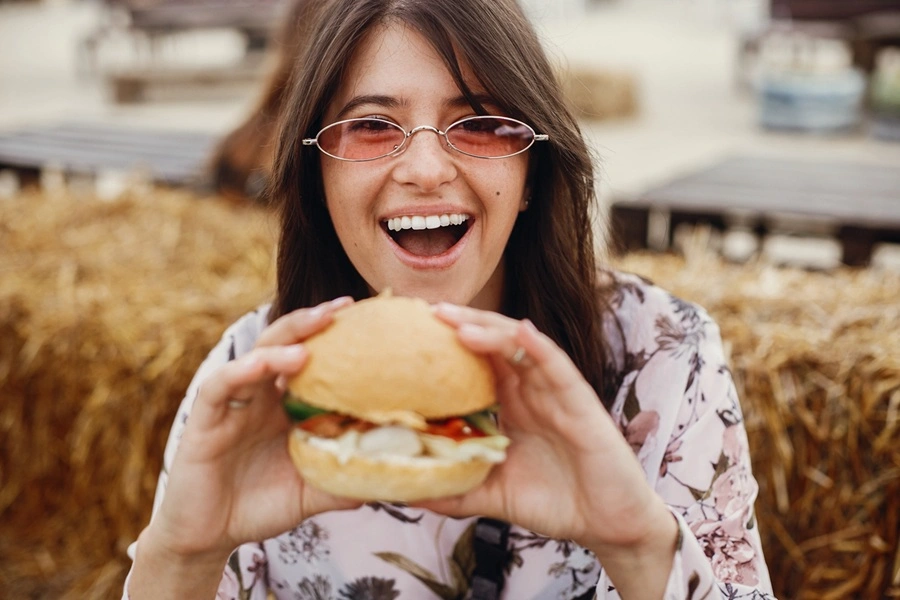 Enzyme solutions allow customized flavor profiles for different regional and customer preferences.Another key challenge is related to consumer acceptance, which requires a “deep understanding of preferences,” says Florine Lourette, junior marketing manager, Food & Beverage at Symrise.
Symrise’s trained sensory panels use its Symvision AI tool globally to translate taste perception into “measurable data,” enabling precise taste optimization according to identified consumer preferences.
“With Symvision AI, we integrate consumer insights early in the development process, reducing uncertainty and enabling more targeted and relevant innovations. In addition, we use our proprietary sensory language, Symscript, to describe, analyze, and quantify taste profiles,” Lourette explains.
Consumer acceptance is also an important aspect for Amano Enzyme, says Tanaka at Amano Enzyme. “Taste is very personal and often influenced by regional preferences, cultural expectations, and even familiarity with certain textures or flavors.”
This is why he emphasizes close collaboration with manufacturers. “We work together to understand their target consumers and adapt our solutions to create products that people will genuinely enjoy.”
Reformulating for healthier indulgence
F&B companies are also dealing with the challenge of reformulating products amid the food industry’s heightened efforts to reduce sugar, fat, and sodium without compromising taste, says Thaïs Carton, flavorist at Sensient Flavors & Extracts Europe. This shift is driven by consumers’ health expectations and increasing government regulations promoting healthier habits, she explains.
However, reducing fat, sugar, and salt presents various challenges. These ingredients are “highly functional,” and any reduction can significantly impact the entire product experience — including texture, mouthfeel, flavor release, and taste duration, explains Carton.
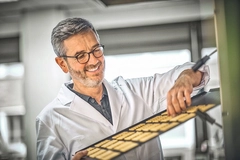
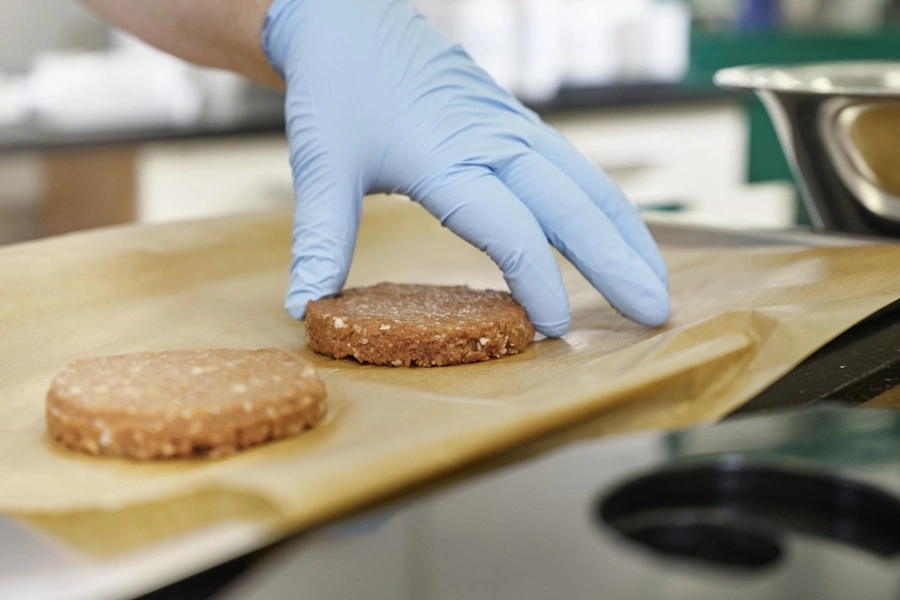 Advanced taste solutions suppress bitterness, mimic umami, and enhance mouthfeel in plant-based meat (Image credit: Symrise).Sensient Flavors & Extracts uses its innovation and extraction capabilities to overcome these challenges. “We develop tailored solutions that help restore fullness, improve flavor delivery, and recreate the indulgent sensations consumers expect from traditional formulations,” Cartons says.
Amano Enzyme is addressing this concern in cereal-based beverage processing through its Veramax G3 specialty amylase that reduces sugar levels in the products.
“Amylases are needed to break down starches in cereal-based beverage processing to reduce viscosity. Most amylases will break down carbohydrates into simple sugars such as monosaccharides like glucose and disaccharides like maltose,” says Tanaka.
Veramax G3 breaks down carbohydrates into maltotriose, a trisaccharide that is labeled as a carbohydrate and not sugar. By using Veramax G3, manufacturers can target specific sugar compositions to meet specific sweetness profiles “without having to dilute plant-based beverages,” he adds.
Another issue Iacoviello points to is that underlying off-notes “often become more pronounced” when fat, sugar, or salt are lowered. dsm-firmenich focuses on removing those “negative taste drivers” first, so products don’t need to rely on excess sugar or sodium to deliver a satisfying flavor.
Precision tools for taste innovation
Symrise uses advanced AI to enhance flavor creation for its customers’ solutions, Lourette tells us. Its Symvision AI platform connects market trends, consumer insights, and taste design to generate “actionable flavor concepts.”
“By combining proprietary and external data, it enables faster, data-driven development with high precision. The technology also helps flavorists more quickly identify ingredient combinations and taste balancing systems for reduced-sugar formulations.”
 Florine Lourette: AI is making flavor innovation more predictive, connected, and trend-driven.“In-house technologies like FlavrScan and Protiscan allow us to model ingredient interactions, particularly proteins, and flavor release to optimize formulations with greater precision.”
Meanwhile, Amano Enzyme’s Umamizyme Pulse proprietary enzyme blend works on plant proteins to release more glutamic acid and cysteine. “Glutamic acid enhances umami, and cysteine creates the seared meaty flavor via the Maillard reaction,” Tanaka explains.
“While enzyme science remains our core strength, advances in sensory science are helping us better understand how ingredient modifications influence the overall eating experience. This gives us deeper insight into how targeted enzyme treatments can enhance desirable flavor notes, improve mouthfeel, or help reduce unwanted off-flavors often associated with plant-based ingredients.”
dsm-firmenich is targeting bitterness and beany flavors in plant-based foods using its receptor-based technology, which works at the molecular level to effectively “switch off” these off-notes.
“By embedding ModulaSense [precision flavor technology] directly into sustainable proteins in our Vertis portfolio, we can deliver proteins with less off-notes that simultaneously deliver better taste and texture, unlocking a more scalable and consistent plant-based eating experience,” Iacoviello explains.
Sensient leverages natural extraction and biotechnology-driven processes to create flavor systems, such as its BioSymphony range, which acts as a “flavor harmonizer, bringing balance, roundness, and long-lasting sensory impact to products while preserving a clean and natural taste perception,” says Carton.
Scaling taste innovations
Once taste innovations are developed in the lab, they must translate seamlessly to the factory, where “variability, efficiency, and cost all come into play,” says Iacoviello.
He suggests “embedding taste solutions directly into ingredients,” such as during textured vegetable protein extrusion, to reduce the need for downstream fixes and create more consistent and scalable systems.
Tanaka also points to the challenge of balancing technical performance with real-world manufacturability. “We always need to consider how robust the process is at a larger scale, how consistently it performs, and whether it remains commercially viable for our customers.”
Lourette underscores that ensuring consistency, stability, and performance at an industrial scale are critical components, where its Evocore encapsulation portfolio plays a key role.
“It helps protect flavors throughout the entire processing chain while ensuring controlled release and consistent performance in the final customer product.” The future of flavor belongs to products that combine authenticity, sustainability, health, and emotional connection, says Carton at Sensient.
AI, biotech and sustainability drive future of taste
Over the next five to ten years, Carton at Sensient Flavors & Extracts Europe expects the flavor industry to be shaped by a combination of discovery, sustainability, and smarter innovation technologies.
“Consumers are constantly looking for new sensory experiences, and social media has accelerated the rise of highly specific and culturally inspired flavor trends. Recent examples such as pistachio-based ‘Dubai chocolate’ creations or the growing popularity of ube demonstrate how quickly niche flavors can move from regional specialties to global phenomena,” he says.
Meanwhile, technologies such as advanced natural extraction, biotechnology, precision fermentation, and upcycling of raw materials are set to play a major role in “creating sustainable flavor solutions while reducing waste and resource consumption.”
Tanaka at Amano Enzyme anticipates “precision indulgence” — bold, craveable flavors that are also healthier, more sustainable, and more personalized — to be the next major taste trend.
“AI will help brands predict flavor combinations, model consumer preferences, and speed up formulation, while precision fermentation will allow companies to produce specific proteins, enzymes, flavor molecules, vitamins, pigments, and fats with more control and consistency,” he says.
“The future of taste will be less about one trending ingredient and more about designing craveability with precision,” adds Tanaka.


Upcoming webinars

2027 Food Safety Risks for Quality & Compliance Leaders
FoodChain ID

Formulating for function: Developing benefit-led beverages with natural colours, botanicals, and flavours
Givaudan Sense Colour
Let's reveal the grain potential: Innovate
Meurens Natural