


UK regulators issue new guidance to speed up cell-cultivated food approvals amid industry challenges

Key takeaways
- The FSA and Food Standards Scotland unveil four guidance documents to support cell-cultivated and novel food businesses seeking UK market authorization.
- The guidance covers food hygiene, product characterization, stronger application dossiers, and safety requirements for controlled taste trials.
- The initiative aims to reduce regulatory barriers and improve approval efficiency while maintaining consumer safety standards.
The UK’s Food Standards Agency (FSA) has unveiled four guidance documents to support businesses developing cell-cultivated products and other novel foods. The resources, developed in partnership with Food Standards Scotland (FSS), aim to help companies navigate the regulatory, scientific, and safety requirements for bringing innovative products to market.
The documents are developed through the Cell-Cultivated Products Sandbox Program, a Department for Science, Innovation and Technology-funded initiative running until February 2027.
The Sandbox initiative focuses on foods produced from “animal cells only” and complements the existing market authorization process for novel foods.
According to Dr. Thomas Vincent, deputy director of Innovation at the FSA, the organization aims to ensure that businesses have the clearest possible picture of what is required to bring safe, cultivated food products to market.

“This guidance reflects the knowledge we have built through engagement with industry and academia through the Sandbox, and is designed to make the path to authorization more transparent and efficient,” he says.
“Consumer safety is non-negotiable, and these documents are ultimately about reducing barriers for emerging food technologies without compromising on safety standards.”
Targeting cultivated food hygiene and market entry
The first document explains how the General Food Law and Hygiene Regulations apply to cell-cultivated product manufacturing. The guidance helps businesses understand responsibilities related to maintaining safe facilities and preventing risks to public health.
 Incomplete safety data can delay market authorization of cell-cultivated and novel foods.This focus on food safety is particularly important since experts say safety risks are no longer linear but multidimensional and constant. Moreover, consumers who are highly skeptical of new food technologies may have concerns related to safety, naturalness, ethics, or trust in products.
The FSA and FSS’s second publication provides supplementary guidance on product identity, production methods, and microbiology when applying for market authorization of cell-cultivated products as novel foods in the UK.
Applicants must describe and characterize the cell lines used, which can help regulators assess whether a product is consistent, traceable, and safe.
How can companies improve novel food applications?
The third document offers practical recommendations for preparing stronger and more complete applications. It addresses common problems that delay authorization, including missing information, unclear production descriptions, and insufficient safety evidence.
The FSA advises companies to provide information such as a food safety management plan, a full description of a method that is not internationally recognized, inclusion of raw data for all analytical methods, and confidential and non-confidential summaries of the production processes used to make the novel food.
This may reduce requests for additional information and make the assessment more transparent and efficient.
At a panel discussion on novel foods attended by Food Ingredients First last year, Ioannis Kartanos, regulatory affairs manager for human and animal nutrition at the legal consultancy Argenta, explained the dynamics of novel food entry in the UK market.
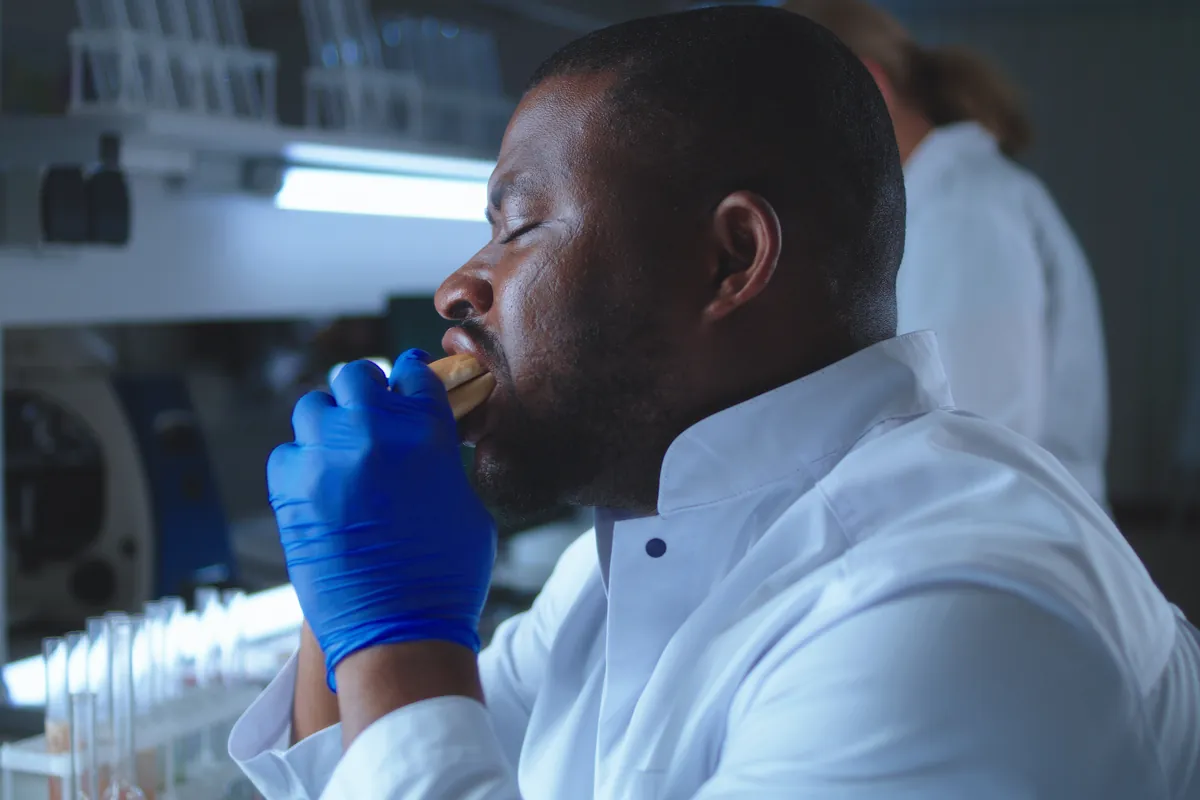 The guidance requires companies conducting novel food taste trials to complete risk assessments and independent ethics approval.“If a company has a novel food dossier for the EU that is ready to go, they can use that same dossier for the UK and go very quickly to that market. The other way around [from UK to EU] doesn’t work.”
Guidance on taste trials
The FSA and FSS’s final publication is on taste trials, described as a “form of sensory evaluation, conducted for food R&D focused on assessing characteristics such as taste, texture, and aroma.” This document applies only to these taste trials and builds on the guidance published in 2025.
As per the guidance, companies conducting novel food taste trials should complete a thorough risk assessment, secure independent ethics approval, and obtain fully informed written consent from participants. Trials should take place in controlled, closed settings, with detailed records maintained and no advance publicity.
Overall, the new resources reflect the UK regulators’ effort to create a clearer route to market for cell-cultivated and other novel foods while ensuring food safety during product development and authorization.
Professor Susan Jebb, FSA chair, emphasizes that developments in the innovative food sector can support a healthier and more resilient food system while also contributing to the UK government’s ambitions for a growing, modern economy.
“But that potential will only be realized if businesses have the regulatory clarity to invest and the confidence to scale up. This guidance provides practical support that helps innovative companies move forward, backed by a science-led approach that protects public health.”


Upcoming webinars

2027 Food Safety Risks for Quality & Compliance Leaders
FoodChain ID

Formulating for function: Developing benefit-led beverages with natural colours, botanicals, and flavours
Givaudan Sense Colour
Let's reveal the grain potential: Innovate
Meurens Natural