

What’s trending in flavors? Discover new opportunities in F&B formulation


Key takeaways
- Flavor innovation for 2026 balances comfort and adventure, as consumers seek familiar, emotionally reassuring tastes alongside bolder global, “swicy,” and hybrid flavor combinations.
- Well-being, nostalgia, and emotional connection shape formulation strategies, with trends like ADM’s “Authentic Wellbeing,” dsm-firmenich’s Flavor of the Year “Frosted Star Anise,” and fruit-forward profiles.
- Technology accelerates flavor development, as AI, flavor modulation, fermentation, and emotion-based research enable cleaner labels, faster innovation, and more targeted sensory experiences.

Global flavor preferences will continue to evolve in 2026 as shoppers seek adventurous yet calming tastes in a fast-paced and often stressful world. The technology to understand consumers’ emotional and sensory reactions to tastes has advanced, empowering F&B formulators to deliver increasingly targeted flavor profiles.
Innova Market Insights’ data indicates that consumers worldwide are now more bold with their flavor choices, with 71% saying they are open to trying new global cuisines. Nevertheless, 46% of consumers are most inclined to choose familiar tastes, while 44% prefer “healthy” flavors.
We also found that traditional and comforting flavors influence consumer purchasing decisions, as we highlighted some standout product innovations, including Nestlé’s Kit Kat Mont Blanc, coated in chestnut and rum-flavored cream (Japan), and Hellmann’s mayonnaise with bacon flavor (Argentina).

Food Ingredients First caught up with ADM, dsm-firmenich, and Ocean Spray Ingredients to explore their latest flavor research and uncover new opportunities in food and beverage product formulation.
ADM’s 2026 Flavor Outlook report
A main theme directing flavor innovation this year and beyond is the desire for “Authentic Wellbeing,” according to ADM, as consumers gravitate toward flavors that signal trust, functionality, and emotional comfort while still delivering great taste.
“This shows up in flavor profiles consumers may connect to wellness products, such as soothing botanicals, nourishing berries, tropicals and citrus, and flavor combinations that extend and elevate core ingredients rather than overpower them,” says Jennifer Zhou, global product marketing senior director for Flavors and Citrus at ADM.
“There is growing demand for efficient simplicity through authentic tastes that feel purposeful, and for mindful indulgence, where familiar comfort flavors are subtly enhanced to support both physical and mental resilience. Global-local authenticity is also key, with culturally rooted flavors offering a sense of connection and credibility.”
At the same time, ADM sees the theme of “Give Me More” coming forward as consumers seek deeper, more immersive sensory experiences as a form of self-care, including bold, playful flavor pairings, and a sensory theatre of multi-sensorial, multi-layered taste experiences to fast-track escapism.
“Global taste expansion through cuisine mash-ups is gaining traction as a means for exploration and creativity. Additionally, third-culture cooking is emerging as an expression of one’s self and ancestry. Overall, consumers want flavor and taste innovation that keeps their attention, challenges their taste buds, and deepens their experiences,” Zhou tells Food Ingredients First.
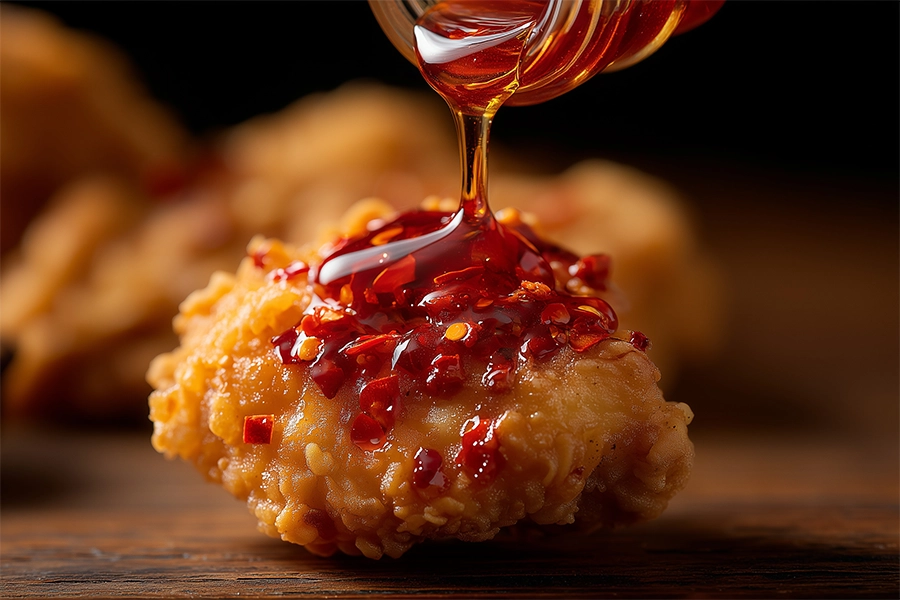 Comfort meets curiosity: Familiar flavors evolve with bold global and “swicy” twists for 2026.Familiar flavor and format favorites also continue to resonate globally. A “Newstalgia Dreamland” is now at the forefront, blending emotional reassurance with modern relevance, Zhou adds.
“Flavor directions center on beloved classics reimagined, such as familiar tastes updated with contemporary twists, elevated formats, or more indulgent expressions. From single-note favorites to ‘Newstalgia’ fusion flavors and glamorous comfort profiles, brands can tap into intergenerational appeal and rich storytelling, helping consumers feel grounded while still experiencing something new.”
dsm-firmenich reveals top 2026 flavor
“Frosted Star Anise” has been crowned by dsm-firmenich as its Flavor of the Year for 2026, influenced by Pantone’s Color of the Year 2026: a white hue called “Pantone Cloud Dancer.” The highlighted flavor combines the comforting warmth of star anise with a cool, frosted twist.
According to dsm-firmenich, this distinctive pairing is more than flavorful — it represents a dual aspiration: peace and tranquility, embodied by star anise, and revitalization, captured in the refreshing frosted element.
“Only 34% of consumers have knowingly tried star anise, according to our internal global ingredient surveys. However, we’ve discovered that star anise is integrated into many different products and recipes, so it is actually more mainstream than one might expect,” Jeffrey Schmoyer, VP Human Insights, Taste, Texture & Health at dsm-firmenich, tells us.
He explains that 2025 marked the second consecutive year that more than 1,000 products mentioned star anise, with its usage growing at a CAGR of 8.5% globally between 2022 and 2025. However, only 10% of today’s products call star anise out directly on front-of-pack — a trend that Schmoyer sees changing as star anise’s profile rises.
“In the hot drinks and alcoholic drinks category, which are often ‘bellwether categories’ that provide early signals for flavors to come, mentions of star anise on front-of-packs are growing. We expect more products to highlight their use, particularly as today’s consumers aren’t shy about trying new flavors, so overall awareness will continue to grow.”
Fruit-forward flavors gain traction
Across global insights, product launches, and trend reports, fruit-forward and fruit-adjacent flavors are gaining serious momentum, according to Ocean Spray Ingredients. These profiles are showing up everywhere, from snacks to beverages to confections, and evolving fast. But as Curtis Gong, senior product development scientist at the company, explains, “fruity” no longer means simple or sweet.
“Today’s consumers want fruit plus something: heat, sour, botanical notes, or other layers that make familiar fruits feel new again. There is growing demand for flavors that are complex, tart, and highly versatile.”
“One standout movement is the rise of ‘swicy’ (sweet + spicy). This trend is accelerating, especially in combinations that pair fruit bases like cranberry, mango, or pineapple with heat sources, such as jalapeño or chipotle. These mashups transform well-known fruits into bold, modern flavor experiences.”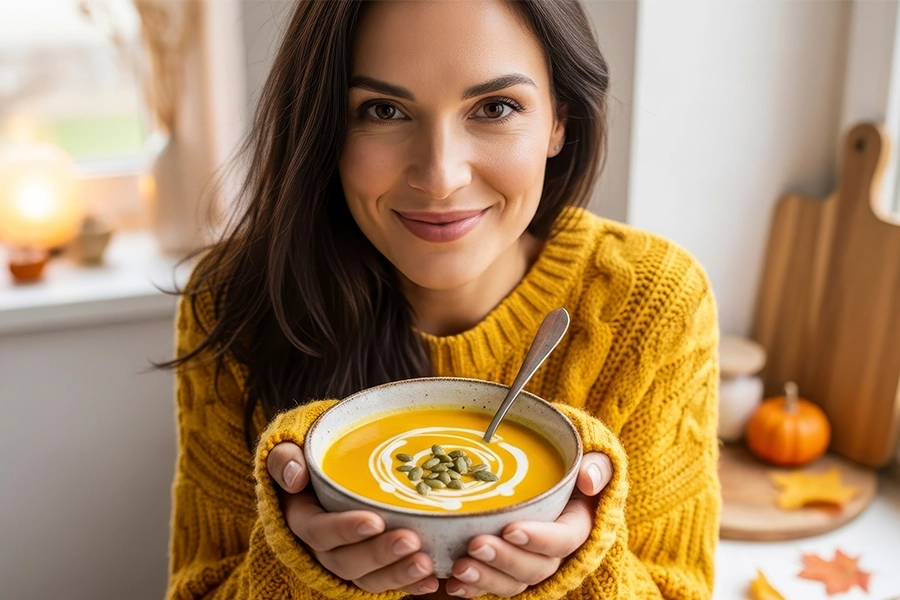 Well-being drives taste: Emotional comfort, nostalgia, and clean labels shape modern flavor design.
Ocean Spray Ingredients sees both the incremental evolution of familiar flavors and the introduction of more disruptive, unfamiliar profiles presenting meaningful growth opportunities. The pace of that growth, however, depends heavily on category, consumer mindset, and regional preferences.
“Many consumers are open to trying bold new flavors, but trial does not always translate into repeat purchase, especially in an economic environment where experimenting with new products can feel risky. As a result, familiar and nostalgic flavors often offer a safer path, with broader appeal and a longer runway for sustained success on shelf,” Gong tells Food Ingredients First.
“Market data consistently highlights the tension and balance between comfort and adventure in flavor innovation. In categories like beverages, for example, consumers often gravitate toward recognizable flavors reframed as healthier, cleaner, or enhanced with a subtle twist. An orange beverage boosted with cranberry for added antioxidants is a good example of how a familiar base can be elevated without feeling intimidating.”
Pairing well-known flavors with more disruptive notes allows brands to create hybrid innovations that satisfy both curiosity and comfort. Gong says this approach gives consumers a sense of discovery while still anchoring them in something they trust, which is an effective strategy across many regions and categories.
Clean label demands go mainstream
Clean label expectations are more mainstream than ever. However, as Zhou at ADM notes, there may be nuances in how consumers define “clean label.” Flavor modulation technologies can enable manufacturers to better deliver on the profiles and nutritional goals of their consumers, she explains.
“Solutions such as our TasteSpark Masking help neutralize off-notes and astringency from functional ingredients or alternative sweeteners. TasteSpark Mouthfeel rebuilds body and richness in reduced-sugar formulations, while TasteSpark Salt Modulation and Umami restore full flavor perception in low-sodium applications.”
Importantly, these technologies can be labeled as “natural flavor” in many countries, supporting cleaner label declarations that resonate with today’s consumers.
“We know that nature is rarely consistent, but our global supply and capabilities help our customers deliver authentic and impactful flavor experiences,” continues Zhou. “This is especially critical in categories like citrus, where variability is inherent, and consumers have emotional ties to citrus flavors, as well as authentic expectations for citrus-flavored products.”
ADM’s CitrusFlex citrus solutions help optimize juice and flavor formulations despite supply fluctuations. By combining a broad portfolio of citrus raw materials with technological capabilities, CitrusFlex balances performance, availability, and cost-in-use, making high-quality citrus flavors derived from natural sources more accessible. Tech powers innovation: AI, fermentation, and sensory science accelerate next-gen flavor development.
New technologies support flavor development
New technologies are rapidly reshaping how tomorrow’s flavors come to life. As regulations tighten and consumer expectations rise, developers are turning to AI, fermentation, and biotech to accelerate innovation.
“AI excels at rapid iteration, analyzing consumer data, and generating flavor concepts that shorten development cycles,” says Gong at Ocean Spray Ingredients.
“On the ingredient side, advances in fermentation, cultivated proteins, and regenerative agriculture are creating cleaner, more sustainable raw materials. These tools help brands meet evolving regulatory standards while supporting the cleaner labels and environmental benefits consumers expect. Together, they enable faster, smarter, and more future‑ready flavor development.”
Meanwhile, dsm-firmenich has developed a comprehensive science and research program called EmotiOn to understand the effects of flavor on human emotion. The company can then incorporate its emotion detection tools, like ScentMove, into traditional consumer testing to demonstrate that these effects are delivered in products.
“Emotion360 is of particular relevance and our definitive, proprietary global consumer study, designed to be the industry’s premier ‘brand tracker’ for food ingredients. With a blend of science and sensory storytelling, we go beyond traditional research to unveil the deep-seated connections people forge with flavors,” says Schmoyer.
Innova to announce Global Flavor Trends 2026
On Monday (Jan 12), Innova Market Insights will unveil its Global Flavor Trends for 2026, a comprehensive analysis of the five consumer and market-driven flavor trends poised to reshape the global flavor landscape in 2026 and beyond.
The market researcher will explore the trends in a webinar on January 29 (4 PM CEST / 9 AM CT), during which Lu Ann Williams, Innova’s global senior vice president for research, will introduce each trend and highlight standout launches across key food and beverage categories.
You can register for free here.



Upcoming webinars

2027 Food Safety Risks for Quality & Compliance Leaders
FoodChain ID
Formulating for function: Developing benefit-led beverages with natural colours, botanicals, and flavours
Givaudan Sense Colour
Let's reveal the grain potential: Innovate
Meurens Natural