
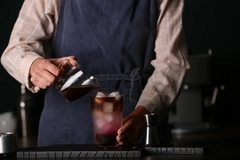


HTBA to debut citrus-derived sweetener for sugar reduction at IFT FIRST 2026


Key takeaways
- HTBA launches Citrose, a citrus-derived high-intensity sweetener for reduced- and zero-sugar F&B, debuting at IFT FIRST in Chicago, US.
- The Upcycled Certified ingredient is designed to support cleaner labels while improving sweetness quality.
- HTBA says Citrose can help formulators create more sugar-like taste profiles, particularly in blended sweetener systems.

HealthTech Bio Actives (HTBA) has launched Citrose, a high-intensity sweetener designed to help F&B manufacturers improve sugar reduction while supporting cleaner labels and better-tasting formulations.
The citrus-derived sweetener complex will make its debut at IFT FIRST in Chicago, US, later this month. HTBA will showcase the ingredient to product developers, R&D teams, and procurement specialists seeking solutions for zero- and reduced-sugar innovation.
Citrose is positioned for use across a broad range of applications, including beverages, dairy alternatives, baked goods, and nutritional shakes and powders.
Tackling the sugar reduction challenge
The launch comes as manufacturers continue to face pressure to reduce sugar without compromising sensory quality.

Innova Market Insights data points to strong global momentum behind sugar reduction, with 72% of consumers worldwide actively cutting sugar. However, Innova notes that many consumers remain unwilling to sacrifice taste, reinforcing the need for sweetener systems that can deliver reduced-sugar positioning without compromising sensory performance.
Reduced-sugar products can often be affected by bitterness, lingering aftertaste, and poor mouthfeel. Some alternative sweeteners can bring ingredient names that may not align with consumer expectations for cleaner labels.
HTBA says Citrose addresses these formulation challenges by delivering a more complete, sugar-like taste profile. The company notes that the ingredient is approximately several hundred times sweeter than sugar and can help reduce the sensory drawbacks associated with traditional high-intensity sweeteners.
Citrus-derived and upcycled
Citrose is a patented sweetener complex derived from immature Citrus aurantium fruits that have naturally fallen to the ground before being collected, sundried, and processed using HTBA’s proprietary methods.
The ingredient is Upcycled Certified and can be declared in the US as “citrose” — a citrus-derived common name intended to be more consumer-friendly than some conventional sweetener names.
HTBA says citrose offers a fast sweetness onset, a smoother sweetness profile, fewer off-notes, and less lingering aftertaste, particularly when blended with other sweeteners.
Consumer-tested performance
HTBA cites Innova consumer research from 2024 in which the ingredient name “citrose” was perceived favorably and ranked ahead of “acesulfame-K,” “stevia,” “sucralose,” and “aspartame.”
In the same study, consumers rated citrose as comparable to stevia in terms of naturalness, while scoring it higher for authenticity of taste. Citrose-sucralose blends received top ratings on key taste attributes, while citrose-stevia blends were perceived as virtually identical to stevia-sugar blends.
For formulators, HTBA says the ingredient can be used to improve high-intensity blended sweetener systems, round out stevia blends, recover fullness, and manage the impact of functional ingredient loads.
Growing relevance of GLP-1 users
HTBA also points to the growing use of GLP-1 medications as a factor shaping the sugar reduction landscape. As more consumers using these appetite-suppressing drugs report greater sensitivity to artificial tastes, the company says manufacturers will need sweetener systems that provide cleaner, more authentic sweetness.
“Food and beverage manufacturers are under pressure to reduce sugar, but taste remains the deciding factor for consumers,” says Emily Wagener, global product manager for Taste Modulation at HTBA.
“Citrose can help producers to improve sweetness quality without the tradeoffs, which is why we’re incredibly excited to introduce this new offering to product developers, R&D teams, and procurement professionals attending IFT FIRST.”
“The timing is right, with the industry’s focus on sugar reduction and the growing influence of GLP-1 users who are more sensitive to artificial tastes.”
Citrose joins HTBA’s portfolio of taste modulation solutions, as the company continues to target opportunities in sugar reduction, clean labeling, and sensory performance.



Upcoming webinars
Oat-Standing Ingredients - Showcasing Irish Grain Through Innovation
Tirlán Ingredients

2027 Food Safety Risks for Quality & Compliance Leaders
FoodChain ID
Formulating for function: Developing benefit-led beverages with natural colours, botanicals, and flavours
Givaudan Sense Colour