



Relieving the squeeze: US FDA revises orange juice standard amid supply pressures

Key takeaways
- The FDA has finalized changes to the Standard of Identity for pasteurized orange juice, lowering the minimum Brix level from 10.5° to 10° and permitting up to 15% mandarin or hybrid citrus juice.
- The regulatory update is expected to reduce reliance on imported blending juice, strengthen domestic citrus supply chains, and save the industry an estimated US$50 million annually.
- The change is part of the FDA’s wider review of more than 250 food Standards of Identity, signaling further regulatory modernization across F&B categories.
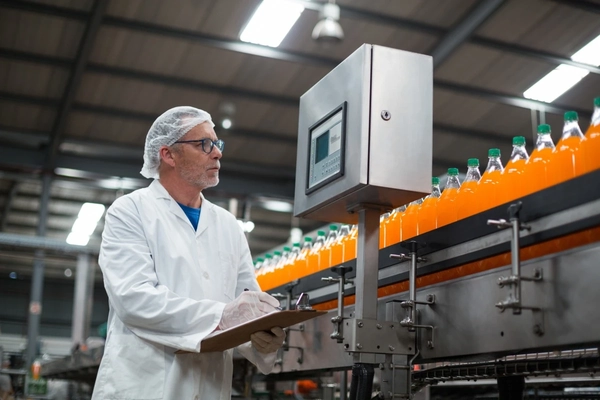
The US orange juice industry is entering a new regulatory era after the FDA finalized a long-awaited update to the federal Standard of Identity (SOI) for pasteurized orange juice.
The rule, updated for the first time in more than 60 years, lowers the minimum required Brix level from 10.5° to 10°. This allows processors to include up to 15% mandarin (Citrus reticulata) or hybrid citrus juice by volume.
The rule marks the first major revision to the orange juice standard since it was established in 1963. The FDA initially proposed the update to orange juice standards in August 2025.
While the change has been framed by the US government as a regulatory modernization effort designed to support domestic agriculture, the implications extend well beyond Florida’s citrus industry. They could reshape sourcing strategies, manufacturing economics, and future standards across the broader juice sector.

Changing the Brix level
For decades, the federal identity standard required pasteurized orange juice to achieve a minimum Brix level — a measurement of dissolved sugars — of 10.5°. At the time the standard was created, Florida groves consistently produced fruit that comfortably met that threshold.
But the industry of 2026 looks dramatically different after suffering years of citrus greening disease (HLB), repeated hurricanes, freezes, increasing production costs, and declining acreage, which have altered crop yields and fruit characteristics.
Florida’s orange production has fallen sharply over the past two decades, while juice manufacturers have increasingly relied on imported higher-Brix concentrate and juice from countries such as Brazil and Mexico to meet federal specifications.
Processors have argued that many Florida-grown oranges continue to produce high-quality juice but naturally fall below the existing sugar threshold due to environmental pressures rather than poor fruit quality.
The revised rule acknowledges those changes by lowering the minimum Brix requirement to 10°, reducing the need for imported blending juice while maintaining a federal quality standard.
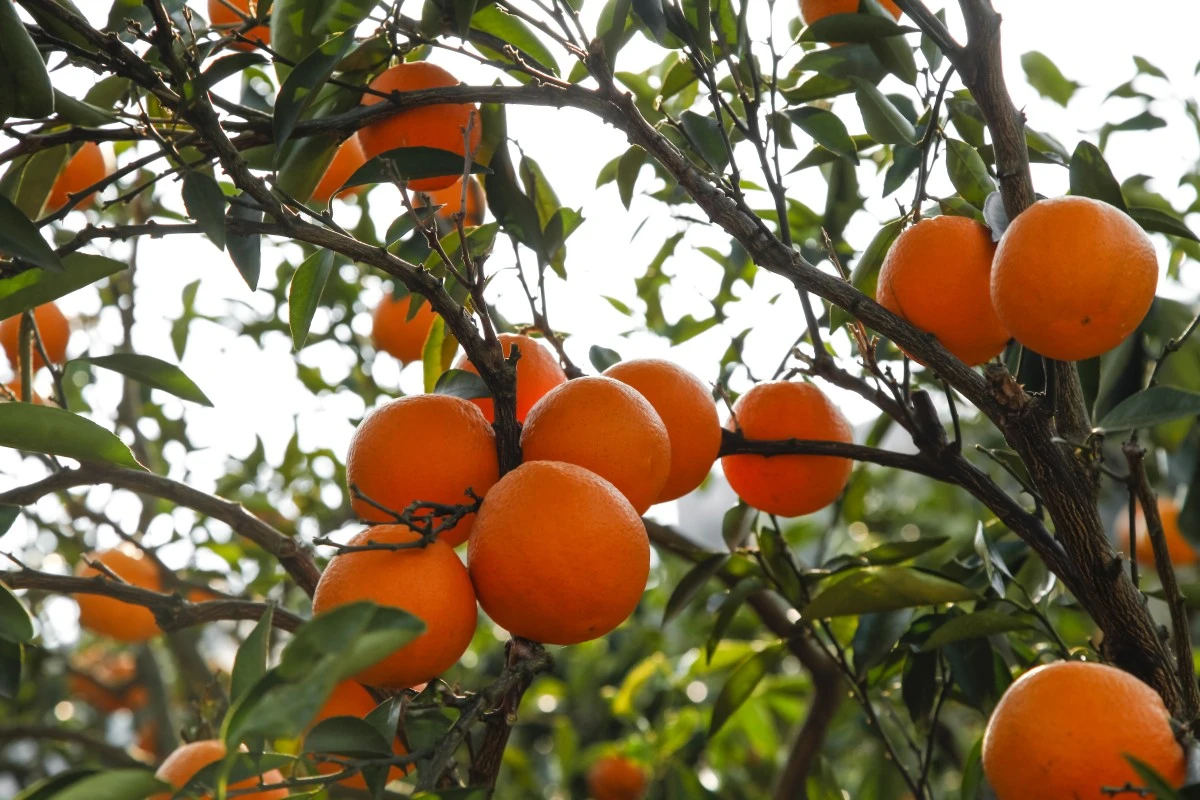 Orange harvests have been adversely impacted by crops disease and climate-related weather like hurricanes for several years. The new rule is expected to bring some relief to farmers.
Supply chain benefits
One of the key impacts of the regulatory update is expected to be on procurement. By relaxing the Brix requirement, processors may be able to source a greater proportion of domestic fruit without supplementing with imported juice solely to meet regulatory specifications.
The US administration estimates the change could save the industry more than US$50 million annually through reduced import dependence and improved manufacturing flexibility.
For processors, that could translate into greater utilization of Florida-grown fruit, lower ingredient and transportation costs, simplified sourcing during years of weather-related crop variability, and reduced exposure to international supply disruptions.
Mandarin allowance
The rule’s second major provision — allowing up to 15% mandarin or mandarin hybrid juice in pasteurized orange juice — may also prove significant.
Mandarin varieties often deliver naturally higher sugar levels and distinctive flavor characteristics. Allowing limited inclusion gives processors another formulation tool while remaining within the product’s federal identity standard.
Industry experts note that many consumers are unlikely to detect the change at modest inclusion levels, particularly in commercial juice blends that already balance seasonal variations in flavor and acidity.
The allowance could encourage expanded cultivation of mandarin varieties for processing, creating new opportunities for growers, while improving flexibility for manufacturers managing increasingly unpredictable citrus harvests.
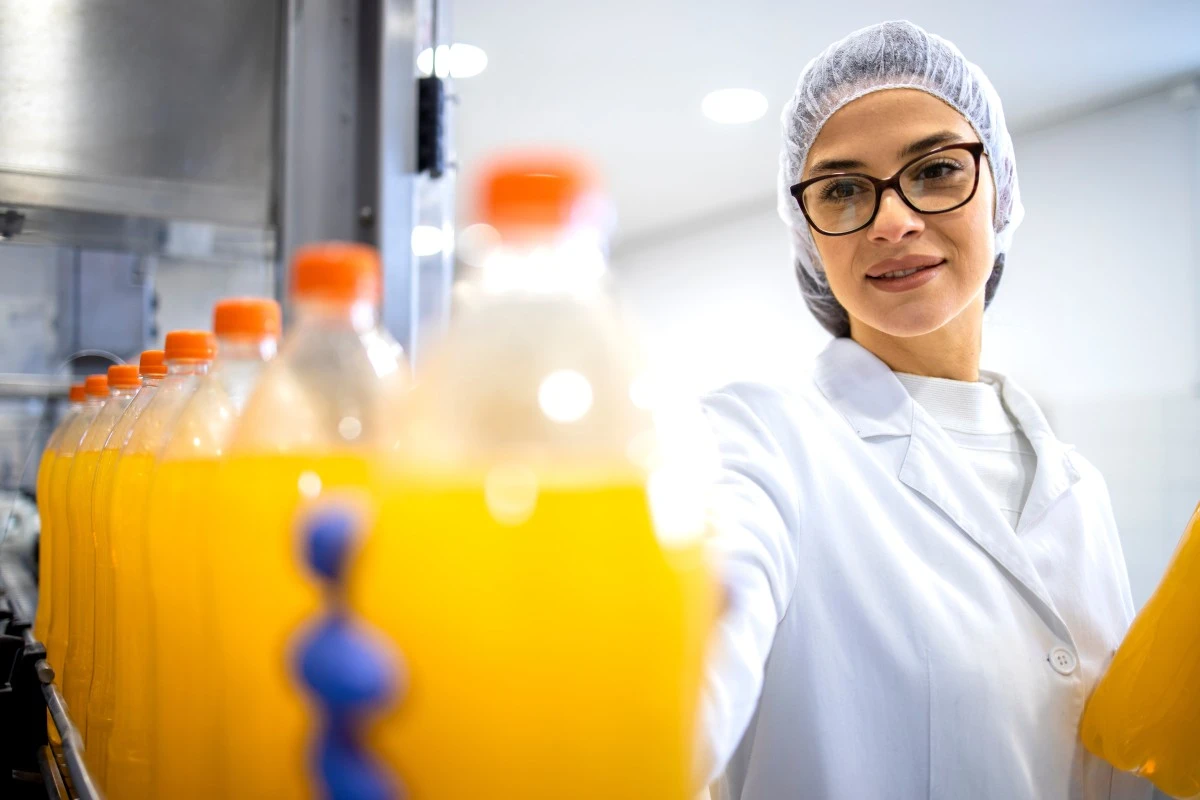 The updated rule lowers the minimum Brix requirement to 10°, helping reduce reliance on imported blending juice while preserving federal quality standards.
Broader standards reform?
The orange juice revision may also signal a broader regulatory shift.
Federal officials said the FDA is reviewing more than 250 food Standards of Identity as part of a wider modernization initiative aimed at ensuring regulations reflect current science, manufacturing practices, and consumer expectations.
That review could eventually affect a range of F&B categories, including dairy products, fruit beverages, canned foods, and other standardized products whose regulations date back decades.
Orange juice industry reaction
The Juice Products Association, which supported the legislative effort that preceded the FDA’s final rule, says lowering the Brix standard to 10° would provide “much-needed flexibility” for the industry, while maintaining the safety, taste, and nutritional value of pasteurized orange juice, and also easing pressures on growers, processors, and the wider citrus supply chain.
The Florida Department of Citrus applauds the updated orange juice rule, claiming that it supports Florida citrus growers while preserving the quality, taste and integrity of 100% orange juice.
“This announcement means we can make better use of the oranges my family works so hard to grow,” says Daniel Hunt, who serves on the Florida Citrus Commission and is president of Hunt Bros. Coop, a family-owned citrus operation. “It gives growers who have spent years investing in new trees and research to recover from disease and devastating hurricanes more confidence that we can pass our groves on to the next generation.”
The FDA has now completed the rulemaking process, meaning the change is final. The updated Standard of Identity becomes legally effective on August 19, giving processors new sourcing and formulation flexibility ahead of the 2026–27 citrus season.