
“Purple gold” into profit: Navigating ube’s soaring demand and supply gaps

Key takeaways
- Rising interest in visually striking and Instagram-worthy foods has amplified ube’s appeal, making color and presentation key factors in NPD.
- Despite growing international popularity, supply challenges in the Philippines due to long crop cycles are creating a significant gap between demand and availability.
- F&B manufacturers that bridge this gap through innovative products and formats have a clear opportunity to capture untapped market potential.
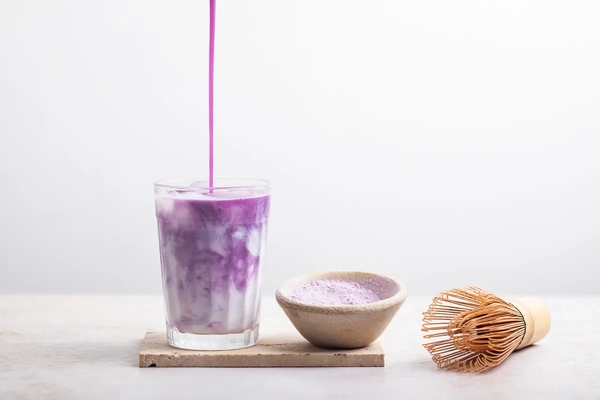
Ube — the vibrant purple yam described as the Philippines’ “purple gold” — has quickly captured social media attention to become one of the F&B industry’s most viral ingredients. Its eye-catching color is appearing in everything from iced lattes and cloud coffees to ice creams, cheesecakes, and bakery launches. However, the industry is confronting a key question with ube’s soaring popularity: can supply keep up with demand?
Rising interest in visually striking ingredients like ube aligns with Innova Market Insights’ 2026 “Layers of Delight” trend. Some 60% of consumers globally say they seek new experiences when choosing indulgent F&B products. Brands are responding with colorful, eye-catching products for social media sharing.

However, as coffee chains and foodservice operators embrace ube, demand is beginning to outpace the industry’s ability to scale supply. Philippine Statistics Authority data cited by local reports point to a decline in national ube production, from more than 15,000 metric tons in 2021 to 12,483 metric tons in 2025, suggesting continued pressure on supply.
Ube: Color, authenticity and clean label drive demand
Production is concentrated among smallholder farmers, and the crop requires eight to ten months from planting to harvest. Challenges, ranging from limited planting material to climate-related disruptions, further constrain expansion.
Food Ingredients First goes behind the scenes with Synergy Flavours and ube supplier Philippine Ube Co. to unpack the ingredient’s rise from a Filipino dessert staple to a viral global flavor trend, as supply chain pressures test the category’s scalability.
 Cleghorn at Synergy Flavours: As consumers explore global flavors and embrace culinary tourism, vibrant ingredients like ube are capturing social media attention.Tom Cleghorn, European category development manager at Synergy Flavours, says that while some social-driven trends may be fleeting, “there is still a strong opportunity for manufacturers to react in real-time and bring innovations to market.”
“Data from Tastewise highlights that social conversations around ube have started to increase by 15% year-over-year, demonstrating growing consumer curiosity driven by ube’s unique, vibrant purple coloring and aesthetic appeal.”
“On Instagram alone, more than 760,000 posts feature #ube, and this is growing by the day — so while this new trend might be unfamiliar to some, it is undoubtedly becoming increasingly visible.”
Alonzo Nieves, founder of Philippine Ube Co, tells us that ube’s color grabs consumer attention — as the crop’s natural purple is “one of very few plant-based purples that hold visually in finished applications.” This matters significantly in a market steadily moving away from synthetic colorants, he emphasizes.
“In our buyer conversations across Asia, the Middle East, and Western markets, the ranking generally goes — color first, then cultural authenticity, then flavor, then clean label.”
He adds that buyers expect clean labels from ube products. Though it rarely drives their initial choice of ube, “it’s often been a significant reason they continue buying from us.”
Ube drinks and desserts: An emerging trend
The ube trend is especially growing in coffee chains, such as Pret A Manger, Costa Coffee, and Starbucks, which have launched ube-flavored drinks in the UK and EU.
Mild and slightly sweet with vanilla and nutty undertones, ube is also caffeine-free and well-known for its antioxidant properties due to the presence of anthocyanins. These compounds also give ube its purple color.
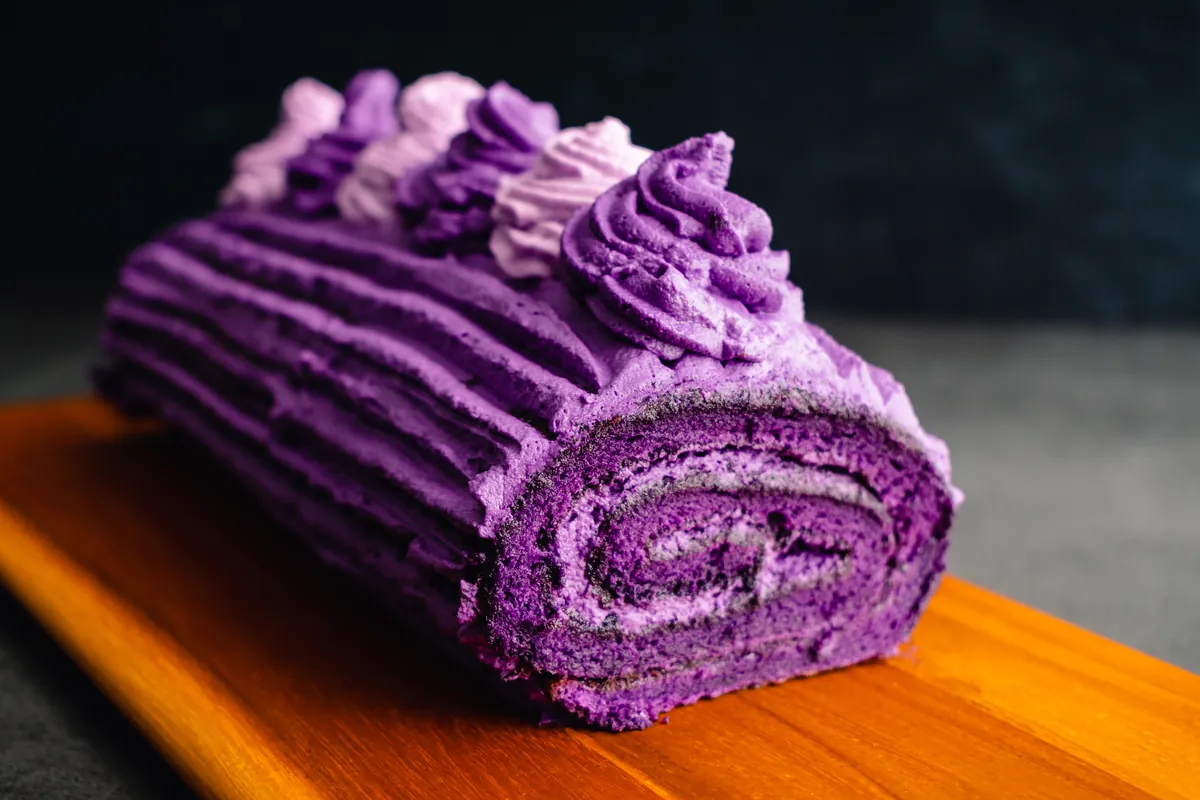 With its unique mild sweet flavor with vanilla-nutty notes, ube innovation is expanding in Japan (desserts), China (pastries), and the US (ice creams).It is these flavor attributes that make ube particularly well suited to sweet applications across the beverages, desserts, and baked goods categories, where it is gaining traction in applications including cloud coffees, tiramisu twists, and layered beverages, Cleghorn notes.
“The ube trend is commonly seen in both hot and cold beverage formats, including hot chocolates and iced coffee or matcha-based drinks. Recent launches from leading chains include Starbucks’ Iced Ube Coconut Macchiato in the US and Ube Vanilla Velvet Latte in the UK, as well as Pret A Manger’s Ube Brûlée Iced Latte.”
Supply bottlenecks strain ube supply
Despite strong consumer demand, several structural challenges limit the ability of the Philippine ube supply to meet international needs. These include a long growth cycle, limited planting material, and weak post-harvest infrastructure, explains Nieves.
Underdeveloped processing compared to crops like coconut, bananas, or cacao is where the bulk of value leakage happens, he says. Much of what is labeled “ube” on international shelves today is actually “Chinese or Vietnamese purple sweet potato, or loosely labeled imported substitutes.”
“There’s a vanilla-coconut-nutty profile in well-grown Philippine ube that doesn’t show up in substitute crops.”
Cleghorn also highlights the ube supply challenge, citing The Philippine Root Crop Research and Training Centre. He notes that ube is typically grown on smallholdings and that rising global demand, combined with its seasonal growth cycle and changing climate conditions, “has put new strain on farmers.”
Nieves adds: “The net effect is that international demand has outpaced organized Philippine supply for several years. Solving that isn’t a one-buyer, one-farm problem; it’s definitely more of a structural value chain build.”
Ensuring ube color, flavor and consistency
Ensuring consistency from harvest to processing remains the “single hardest problem in the ube category,” says Nieves. He says this is why some Western ube product developments often fall short of expectations.
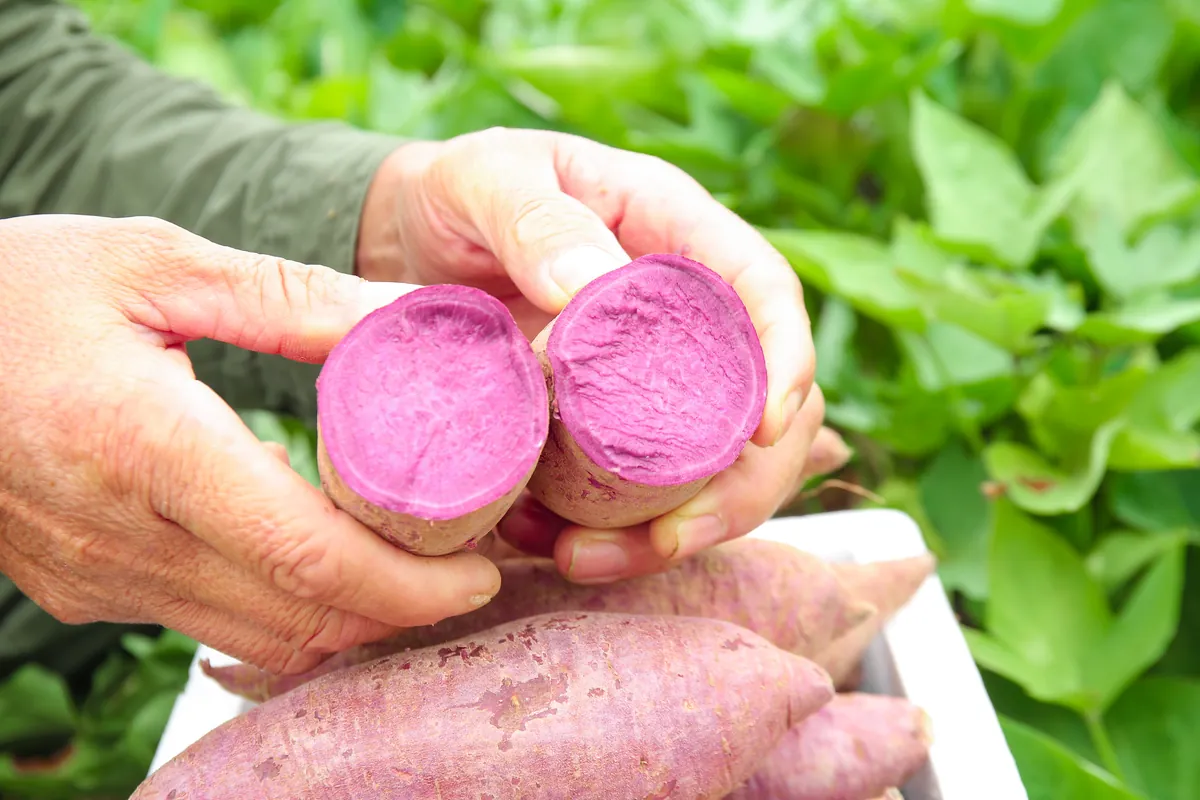 Ube production is concentrated among smallholder farmers, and the crop takes 8–10 months from planting to harvest.“Fresh ube varies enormously — anthocyanin content, dry matter, sugar, and aroma can all shift across regions, varieties, and even harvest windows on the same farm. If you don’t control for that, you get a product that’s purple in one batch and lavender in another.”
Philippine Ube Co.’s approach is to control variability at three points. At the farm level, it works with its operations partner to select varietal types and harvest windows aligned to end-use — “color-forward varieties for visual applications and flavor-forward for halaya-style paste,” he explains.
The company grades raw tubers before processing, then spray-dries them to meet moisture, particle, anthocyanin, and microbiological standards.
Ube sourcing strategies
Ube’s widespread popularity is similar to that of matcha and pistachios in Dubai chocolate, which also faced sourcing and authenticity challenges as they gained mainstream traction.
“Authenticity and origin are the durability layer. Sophisticated buyers — particularly in specialty bakery, premium ice cream, and clean label beverages — are increasingly asking where the ube actually comes from,” Nieves explains.
“The parallel we draw internally is coffee — Vietnam grows a lot of it, but the cultural and quality reference point is Colombia or Ethiopia. Ube is on a similar trajectory, and the Philippines is the origin story. Matcha was similar too.”
 Nieves at Philippine Ube Co.: A multi-region ube sourcing model ensures year-round supply and resilience against typhoons and crop failures.Cleghorn points toward the importance of sustainably sourced ube for label declarations in this space, emphasizing transparency and ethical sourcing as “important values.”
Philippine Ube Co. addresses sourcing challenges by procuring ube from multiple farming regions across the Philippines rather than a single province.
“A multi-region model gives us three things a single-source supplier cannot — continuity of supply across the calendar, varietal diversity for buyers with different end-use requirements, and resilience against typhoons and localized crop failures, which are realities of farming in the Philippines,” says Nieves.
“Our on-ground sourcing is coordinated by our operations partner in the Philippines, who manages farmer relationships, harvest planning, and field operations directly. We also work closely with universities on agronomy and varietal work.”
Filling F&B flavor white spaces with ube
The Philippines generated US$3.06 million in ube and ube-based product exports in 2025, reflecting growing international demand for authentic Asian flavors and natural food colorants.
This demand has created a white space between consumer interest and current market offerings, offering manufacturers opportunities for product innovation and differentiation, depending on the target consumer and preferred format, says Cleghorn.
“Datassential reports that 25% of consumers have expressed an interest in trying ube. Currently, only 7% of operators are innovating with ube products, with another 27% of operators expressing an interest but not yet executing.”
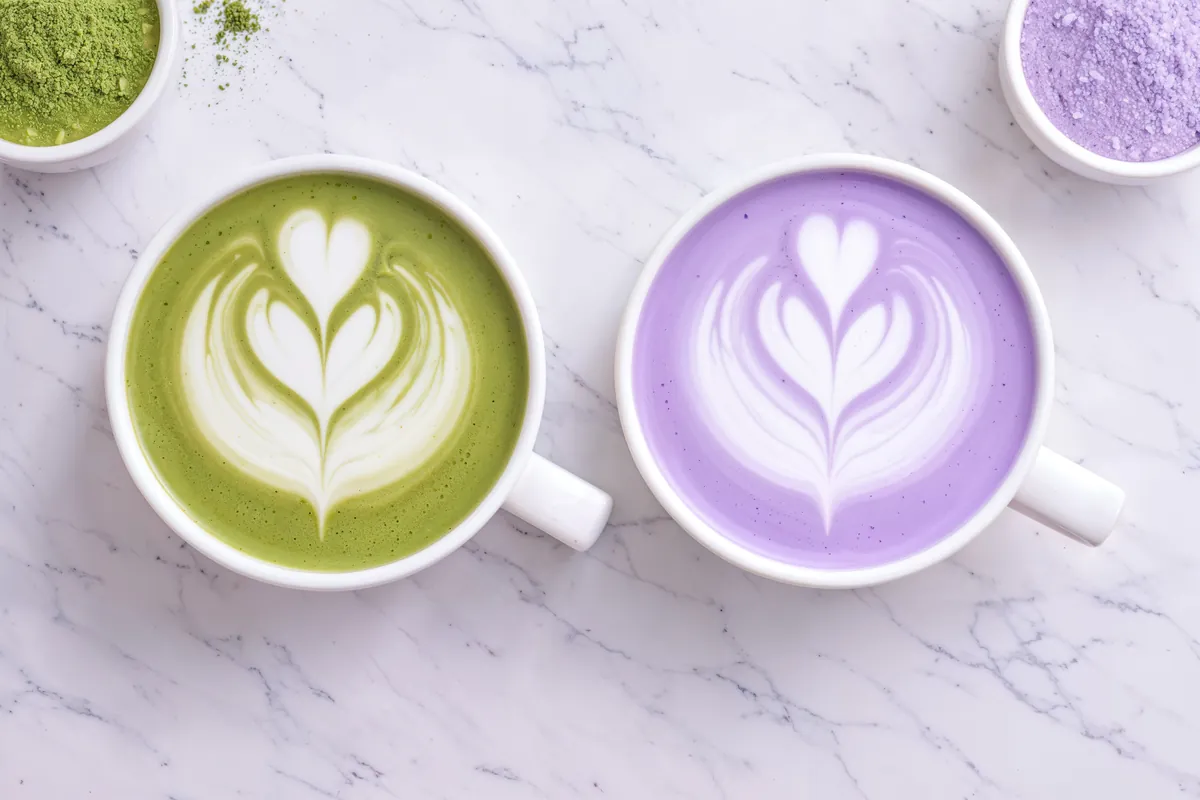 Ube has mirrored matcha’s path: both started as niche ingredients in the Philippines and Japan, respectively, and became global trends.Reflecting broader trends, Cleghorn points to the rise of “culinary tourism” on social media, where consumers are actively exploring global flavors from home, showing that curiosity and desire for new experiences are driving interest in ingredients like ube.
“Innova reports that indulgent F&B launches with a new experience claim have increased by 45%,” he says.
Ube: Beyond the viral trend
Many colorful F&B trends experience a short viral cycle before fading. But Cleghorn expects ube to be more than a fleeting social-media fad.
“While a number of ingredients and flavors go through a social media-driven viral phase, many trends become firm favorites,” he says. He cites the example of pistachio, which soared in popularity following Dubai chocolate’s viral moment in 2025, and continues to appear in new product launches and on menus a year later.
“Looking ahead, ube is beginning to expand beyond sweet applications into emerging categories, such as alcoholic beverages. Concepts such as ube cream liqueurs are already generating 40% consumer interest according to Datassential,” says Cleghorn.
Restaurants and bars are innovating with ube-infused cocktails, such as the Ube Ramos at Bar Lotus in London, UK, and the Tipkalong cocktail that features Ube Cream Liqueur at Serai Kitchen in Melbourne, Australia.
“In summary, ube sits at a strong intersection of visual appeal, flavor accessibility, and menu scalability, making it one of the most compelling emerging flavors to watch,” Cleghorn concludes.