




July in review: EU Protein Plan backlash, MAHA reformulation, livestock heatwave risks


Key takeaways
- The EU Protein Plan drew criticism for setting production targets for animal feed while offering no comparable ambition for plant protein intended for human consumption.
- MAHA continued to reshape formulation priorities in the US, increasing demand for natural colors, cleaner labels, lower sugar, and protein- and fiber-fortified products.
- A deadly heatwave exposed the growing climate and animal welfare risks facing Europe’s livestock sector and intensified calls for more resilient farm infrastructure.
In July 2026, the EU’s Protein Plan drew criticism for prioritizing animal feed over human consumption. The debate came as businesses increased investment in protein diversification, while rising whey costs pushed formulators toward alternative proteins, blends, and processing solutions.
In the US, Make America Healthy Again (MAHA) accelerated demand for natural colors, cleaner labels, lower sugar, and protein- and fiber-fortified products. Healthy aging also moved into mainstream F&B, creating opportunities for everyday products supporting mobility, nutrition, and long-term wellness.
Climate pressures intensified after a late-June heatwave killed millions of broiler chickens in France. The event exposed vulnerabilities in Europe’s livestock sector and underscored the need for stronger welfare safeguards, improved farm infrastructure, and more heat-resilient food systems.
We look back at some of the standout stories from this month.
Industrial insect farming faces sustainability scrutiny as industry pushes back
A new Stockholm Environment Institute report challenged the sustainability case for industrial insect farming in high-income, temperate markets, especially when insect protein is used in feed rather than directly displacing meat. Industry body IPIFF disputed the findings, saying they rely on outdated data and misrepresent the sector.
Beyond “lab-grown”: Trust and terminology shape cultivated meat acceptance
Consumers in the US and Germany are more likely to choose cellular agriculture meat when it is labeled “cultured” or “cultivated” rather than “lab-grown,” according to a new Tufts University study. For cultivated meat firms, the findings mean branding and consumer trust are likely to be as important to business success as the technology itself.
Why healthy aging is moving beyond supplements into mainstream F&B
Healthy aging is no longer a niche conversation confined to capsules and specialist nutrition. As consumers live longer and look for convenient ways to support mobility, mainstream F&B brands are beginning to borrow more confidently from the nutraceutical playbook. For F&B formulators, this shift is opening new white space around everyday formats.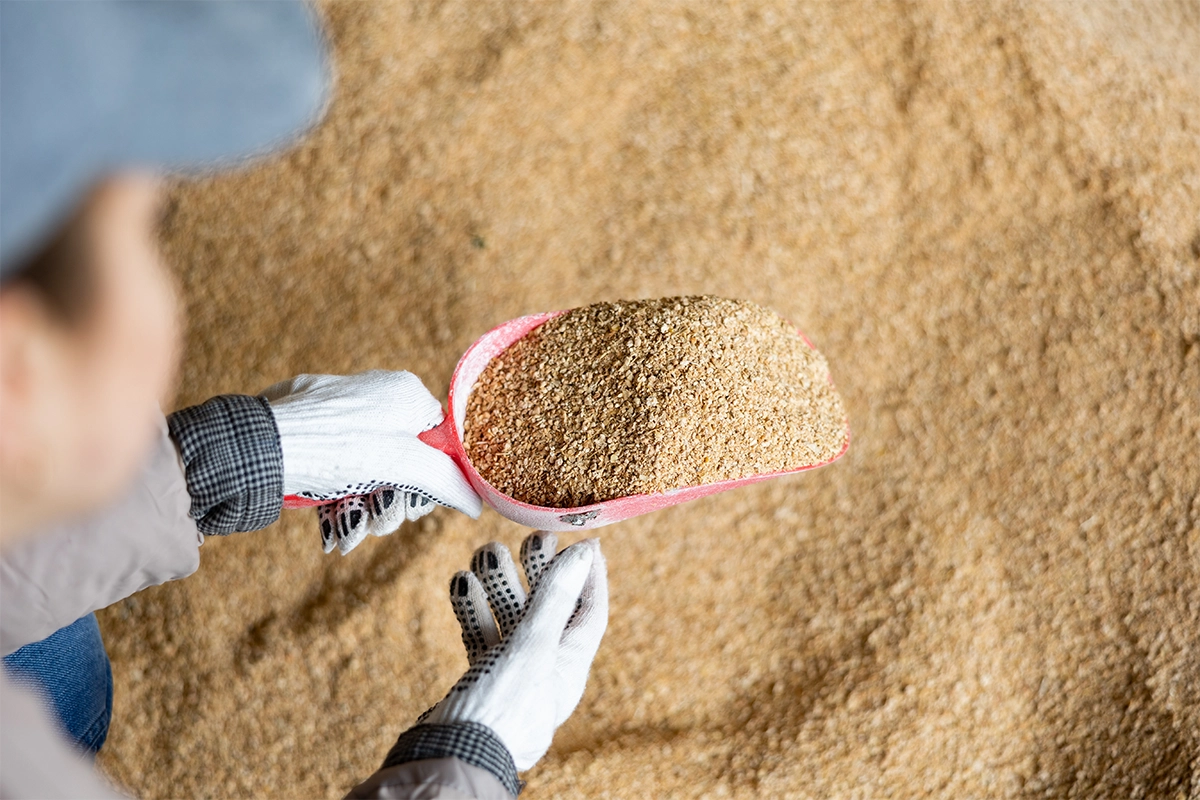 Europe’s protein strategy faced scrutiny, as feed priorities clashed with calls for greater plant-based food investment.
Europe’s livestock sector faces heatwave reckoning after millions of chickens die
Food Ingredients First explored how a late-June heatwave that killed millions of broiler chickens in France exposed the growing climate risks facing Europe’s livestock sector — and what it means for animal welfare, farm infrastructure, and the urgent need to build more heat-resilient food systems.
Ask Ingredion tackles R&D bottlenecks with “conversational” AI formulation support
Ingredion launched Ask Ingredion, a “conversational” AI assistant designed to help R&D teams navigate formulation challenges faster. Chris Regan, head of the Digital Marketing Center of Excellence at Ingredion, told us how the tool guides ingredient selection and supports sample requests and expert consultations.
ICO economist on Hormuz risks for coffee: Cost pressures loom, but shortages unlikely
The Strait of Hormuz crisis could produce ripple effects through the global coffee sector, even though most coffee-producing countries do not rely on the route for their main exports. We spoke with Laurent Pipitone, chief economist at the International Coffee Organization, about the war’s impacts on the coffee sector.
EU Protein Plan faces backlash for prioritizing animal feed over plant-based food
The EU’s new Protein Plan faced criticism for missing the chance to set clear targets to increase plant protein production for human consumption. While the long-awaited plan, published alongside the EU Livestock Strategy, set a concrete target to increase EU protein production for animal feed, plant-based groups said it lacked the same ambition for food.
IFT FIRST 2026 review: GLP-1 ripple effect reshapes functional food innovation
The influence of GLP-1 medications extends far beyond the products marketed to users. IFT FIRST 2026 suggested a more consequential story — how GLP-1 weight management drugs are accelerating established demands for nutrient density, satiety, sustained energy, and digestive support in everyday F&B. MAHA reformulation and healthy aging pushes mainstream F&B toward cleaner labels and more functional nutrition.
Codex adopts its first global baker’s yeast standard to align trade and quality requirements
The Codex Alimentarius Commission adopted the first Codex standard dedicated to baker’s yeast. The standard established common definitions and requirements covering product forms, composition, additives, labeling, storage, and analytical methods, with potential implications for regulatory alignment and international trade.
How F&B ingredient suppliers are navigating the MAHA reformulation challenge
MAHA is accelerating demand for natural colors, cleaner labels, lower sugar, and protein- and fiber-fortified foods. Ingredient suppliers explained how reformulation now requires full product redesign — balancing taste, texture, safety, and more — while helping brands deliver healthier products consumers will still enjoy and repurchase.
Businesses step up investment in protein diversification but seek stronger policy support
F&B companies are increasing investment in protein diversification as demand grows for affordable, nutritious, and flexible options. The World Business Council for Sustainable Development said faster progress will require aligned regulation, financial incentives, and clearer policy frameworks, with China, the EU, and the US emerging as leading markets.
Spirulina blue gains ground in F&B despite stability, supply and regulatory challenges
Blue spirulina is gaining commercial momentum, as F&B brands seek natural alternatives to synthetic dyes, particularly in confectionery and frozen desserts. However, heat and acid sensitivity, concentrated supply, and uneven global regulations remain barriers. Suppliers are responding with controlled cultivation and improved extraction and stabilization technologies.
Protein under pressure: Solutions for rising whey costs
Whey prices are climbing, supplies are tightening, and formulators are being pushed to rethink protein strategies. At IFT FIRST 2026, suppliers unveiled a new wave of alternatives, blends, and processing tools designed to protect margins and performance. We explored which solutions are gaining traction, and where the next breakthrough could come from.