

EU Protein Plan faces backlash for prioritizing animal feed over plant-based food

Key takeaways
- The EU’s new Protein Plan sets a target to increase protein production for animal feed but includes no equivalent target for plant protein production for human consumption.
- The plan proposes support for protein crops, farmer incentives, public procurement reforms, and possible tax incentives to strengthen Europe’s protein supply.
- Plant-based organizations welcome many of the measures but argue the plan prioritizes livestock feed over shifting diets toward plant proteins.
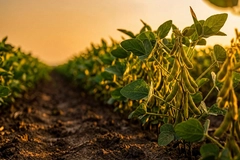
The EU’s new Protein Plan is facing criticism for missing the chance to set clear targets to increase plant protein production for human consumption. While the long-awaited plan, published earlier this week alongside the EU Livestock Strategy, sets a concrete target to increase EU protein production for animal feed, plant-based groups say it lacks the same ambition for food.
Together, these initiatives aim to reinforce European food security and support a more resilient EU agri-food system. Although plant-based advocates have praised large parts of the plan, many argue that the proposals do too little to increase the production and consumption of plant proteins for people.
In the EU Protein Plan, the commission recommends integrating protein crops into crop rotations, supporting farmers with the costs of switching, encouraging livestock farmers to diversify, rewarding mixed farming, and using national measures to promote sustainable, resilient diets.

The proposal calls for a dedicated protein crop sector, investment across the supply chain, and public procurement that prioritizes value over the lowest price. It also points to taxation policies as a possible national lever to support more resilient and diverse diets.
“The Livestock Strategy and the Protein Plan set out one common ambition — to strengthen Europe’s food security, reinforce our strategic autonomy, and help sustain vibrant rural communities, especially in regions at risk of land abandonment. To achieve this, we must move beyond polarizing debates and focus on practical solutions…We want EU farmers to be profitable and more prepared to manage risks,” says Christophe Hansen, EU Commissioner for Agriculture and Food.
Prioritizing livestock feed
Despite several positive steps, critics argue that the plan fails to deliver the deeper changes needed for a sustainable food system.
The EU says it relies on a small number of supplier countries for much of its imported protein, most of which is high-protein feed for livestock. Six countries (Brazil, US, Argentina, China, India, and Paraguay) account for 90% of global soybean production, for instance.
The EU livestock sector uses around 74 million metric tons of protein as feed annually. Imports cover 25% of the protein used to feed EU livestock. Soybean and soya meal protein dominate EU imports of protein, at around 13.4 million metric tons of crude protein in marketing year 2024/25.
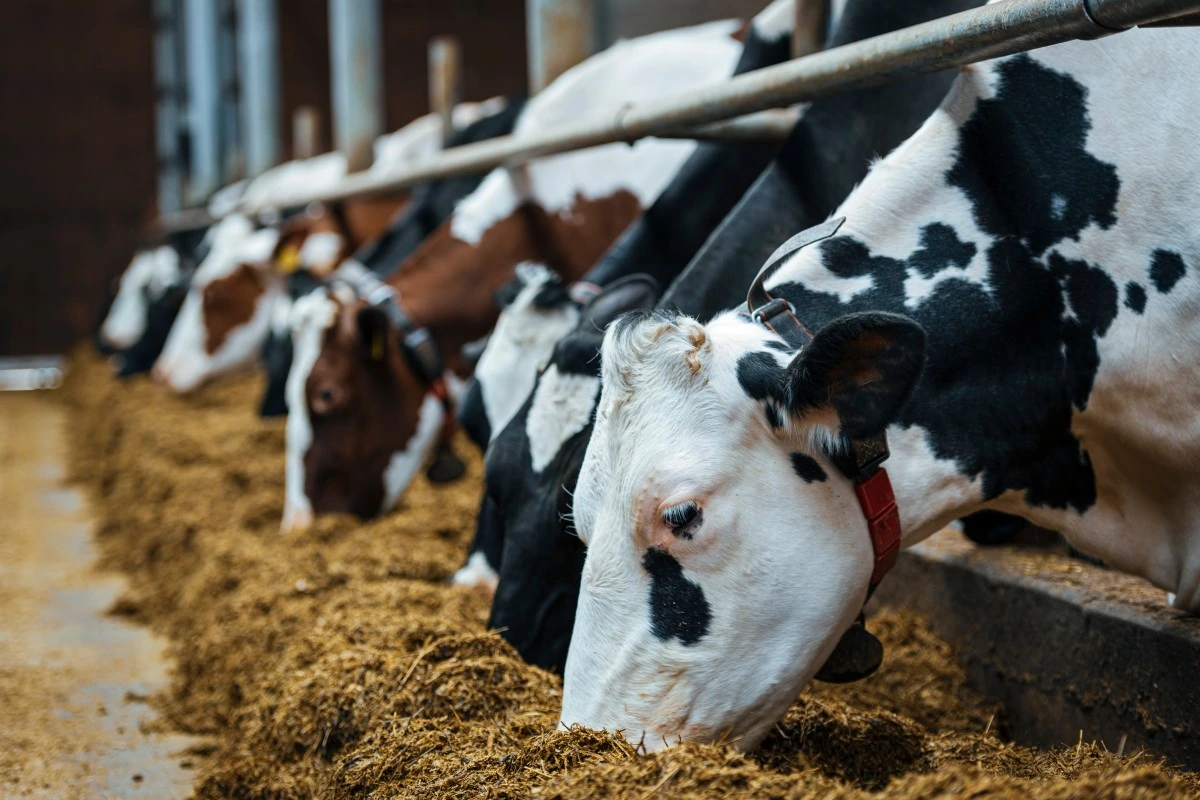 The EU’s new Protein Plan is facing criticism for setting a target to boost protein production for animal feed, while failing to set equivalent targets for plant proteins for human consumption.The commission argues that reducing this reliance would make Europe’s food system more resilient to supply disruptions and global market volatility.
Rafael Pinto, senior policy manager at the European Vegetarian Union (EVU), says the plan falls short because its only measurable target is to increase EU-produced protein for animal feed — from 25.8% to 35% by 2035. It sets no equivalent target for protein grown directly for humans.
“The Protein Plan marks an important milestone, clearly signaling that plant proteins are central to Europe’s future food system. We particularly welcome the commission’s recognition of the economic opportunities for farmers, rural communities, and generational renewal. We hope this is a turning point in political support for the sector.”
“This target could be easily achieved in the next few years simply by increasing human consumption of plant proteins, since our current dependency is caused by imbalanced diets.”
ProVeg International echoes the EVU’s concerns, saying the plan focuses on boosting production while doing too little to encourage people to eat more plant proteins.
Where the biggest policy gaps remain
The EU is self-sufficient in low-protein feed but relies heavily on imports for high-protein sources, such as oilseeds and protein crops, with 74% coming from outside the bloc. Much of this comes from a small number of supplier countries, leaving the EU vulnerable to supply disruptions and global price swings.
Slow Food secretary general Marta Messa says the plan’s clearest ambition is increasing EU protein production for animal feed, arguing this reinforces livestock production instead of reducing Europe’s dependence on feed-intensive farming.
“While we welcome several positive elements, including renewed commitments on animal welfare, recognition of territorially embedded systems, support for local value chains, and efforts to reduce Europe’s dependence on imported feed and inputs — we also think that the overall package remains firmly anchored in a model of competitiveness, productivity growth and technological optimization, rather than genuine food systems transformation,” she says.


Upcoming webinars

2027 Food Safety Risks for Quality & Compliance Leaders
FoodChain ID
Formulating for function: Developing benefit-led beverages with natural colours, botanicals, and flavours
Givaudan Sense Colour
Let's reveal the grain potential: Innovate
Meurens Natural