

Snack reformulation trends: How can brands boost nutrition without sacrificing sensory appeal?

Key takeaways
- Consumers now expect healthier snacks, with protein, fiber, and clean labels driving reformulation, while indulgent flavors remain crucial.
- Snack brands are moving beyond single-ingredient swaps to integrated systems, balancing protein, sugar reduction, and sensory appeal.
- Natural color and flavor innovation, along with advanced protein systems, are key to meeting consumer demands for nutritious, flavorful, and visually appealing snacks.
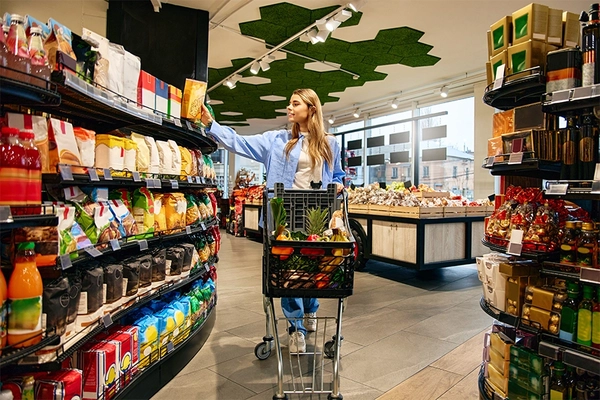
Health is no longer a niche positioning in snacks — it’s a consumer expectation — but indulgence remains critical. Snack reformulation has moved beyond single-ingredient swaps, as manufacturers increasingly adopt integrated systems that balance protein fortification, sugar reduction, and clean label transparency, without sacrificing sensory appeal.
Innova Market Insights data shows that global consumers seek protein (60%) and fiber (55%) when purchasing snacks. However, most (74%) say flavor, taste, and texture are the most important factors when choosing between snacks.
Flavor and color are emerging as decisive tools in striking the balance between health and indulgent appeal. As plant proteins, fibers, and sugar alternatives reshape formulations, manufacturers must manage the sensory cues that can influence consumer expectations.

Food Ingredients First explores the biggest challenges and opportunities for snacking manufacturers with leading ingredient suppliers Puratos, Cargill, MicroDried, Synergy Flavors, and Givaudan Sense Colour.
Nutrition as the new baseline in snacks
The rising consumer demand for healthier and functional snacks is no longer confined to niche launches — it is reshaping core portfolios and formulation strategies across the category. As evidenced at ISM & ProSweets 2026, a clear consensus is emerging: nutrition must be embedded into mainstream snacks without compromising indulgence.
Dr. Sara de Pelsmaeker, group health & well-being director at Puratos, points to the strong consumer momentum behind this shift, with the company’s “Taste Tomorrow” data showing 62% of consumers globally look for healthier versions of their favorite snacks, underscoring the move toward reformulating familiar formats rather than launching separate better-for-you lines.
“We’re seeing strong momentum around better-for-you fillings with less sugar and more real fruit, 100% nut pastes that deliver richer flavor alongside nutritional benefits, and higher-fiber, higher-protein formats in everything from bars to bites to muffins,” says de Pelsmaeker. “Premium inclusions like dark chocolate coatings are gaining ground, and the ‘less sweet’ trend accelerating across Asia is beginning to influence Western snack development — signaling a broader shift toward more balanced, sophisticated flavor profiles.”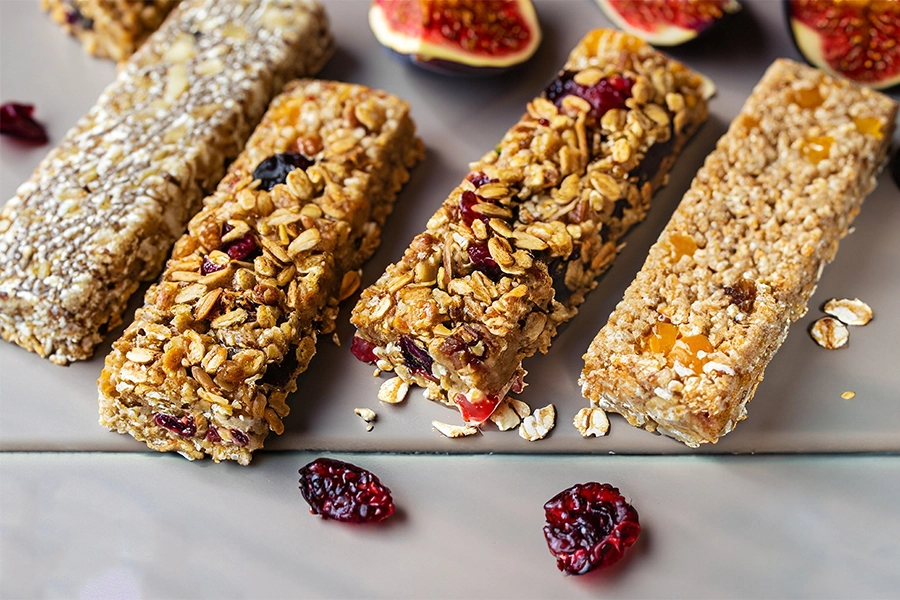 Brands are now expected to balance nutrition with indulgence, moving beyond simple ingredient swaps to integrated systems that boost protein, reduce sugar, and maintain flavor.
Cargill highlights how new consumer demand is shifting the innovation focus from an ingredient-systems perspective. Quentin Schotte, F&B commercial marketing manager at the company, says reformulation is now influencing core portfolios, with brands working to reduce sugar, salt, and saturated fat, while preserving crunch, creaminess, and flavor impact. “Success increasingly depends on how well protein, fiber, fats, sweeteners, and texturizers work together to meet nutritional targets, while preserving the eating experience consumers expect,” he explains.
MicroDried echoes this systems-based approach from a whole-food standpoint. Heidi Clark, director of business development and innovation at the company, notes that shoppers expect snacks to deliver “real nutritional value — such as fiber, antioxidants, and naturally occurring vitamins — without compromising on taste, texture, or convenience.” She adds that demand for clean label, nutrient-dense ingredients continues to accelerate.
“We are well-positioned to meet this shift through a portfolio of 100% whole fruit and vegetable ingredients made with no added sugars, carriers, or artificial processing aids. Using proprietary drying technology, we gently remove moisture, while preserving the natural structure, flavor, color, and nutritional integrity of each ingredient, enabling clean label solutions across bars, clusters, cereals, snack mixes, and powdered applications,” says Clark.
Building on this foundation, MicroDried has expanded into shelf-stable dried dairy formats — such as yogurt puffs and cheddar cheese bites — that add natural protein and structure while remaining easily customizable with fruit and vegetable ingredients to enhance fiber, antioxidants, flavor, and visual appeal.
Together, these perspectives signal a structural shift: health is no longer a positioning layer in snacking — it is the new baseline driving integrated, multi-functional formulation.
Protein systems move beyond “hero ingredients”
Plant-based and alternative proteins are no longer niche disruptors in snacking — they are now embedded in mainstream development. However, the current phase of innovation is less about novelty sources and more about improving integration, sensory performance, and nutritional balance.
Puratos highlights how protein scrutiny is intensifying, finding that 29% of shoppers globally check product labels specifically for protein content. De Pelsmaeker points to the wider health context influencing this behavior, explaining that “high-quality protein intake has become an increasing health priority,” particularly as more consumers become aware of muscle maintenance and satiety.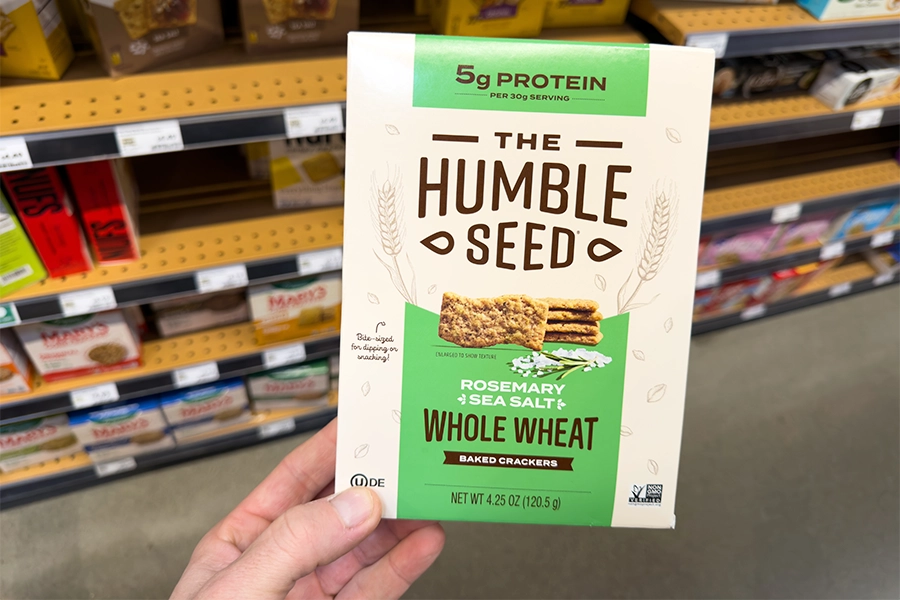 Alternative and plant-based proteins are evolving, with brands focusing on sensory performance and nutritional balance, shifting from novelty to optimized systems.
Pulse-based flours, she adds, offer “clear potential for snack manufacturers to differentiate their products — allowing formulators to elevate nutritional credentials (various essential amino acid profiles), without compromising on taste or texture.” As plant-based eating continues to grow, pulse-based flours offer snack brands an opportunity to lead the way with alternative protein sources, says De Pelsmaeker.
Cargill similarly observes that plant-based protein is now “firmly embedded in mainstream snack development,” particularly in bars. However, the emphasis is shifting. As Schotte explains, brands are “moving beyond reliance on a single ‘hero’ protein and instead exploring blends that balance nutritional targets with taste, texture, and cost considerations.”
For Schotte, “the most promising direction for alternative proteins in snacks is not necessarily the introduction of entirely new sources, but the refinement of protein systems that maintain indulgent sensory quality.” Within Cargill’s snack portfolio, pea protein remains a widely used building block across applications.
MicroDried supports the systems approach, with dried fruit and vegetable ingredients enabling protein-forward snacks to deliver layered texture, natural color, and nutritional value. “Our dried fruit and vegetable ingredients contribute concentrated flavor, vibrant natural color, and a range of textures — from crisp to chewy — while naturally supporting fiber and antioxidant content,” says Clark. “When paired with protein-forward dairy formats, these ingredients enable layered snack experiences that deliver both nutritional and sensory appeal across bars, clusters, cereals, and snack mixes.”
Schotte at Cargill adds that advancements in fermentation, particularly precision fermentation, are influencing snack development by expanding the formulation tools available to manufacturers working under increasing nutritional and regulatory pressure. We recently reported from Cargill’s fermentation facility at its European Innovation Center.
Together, these ingredient development strategies suggest the protein boom is entering a second phase — focused on optimization, matrix design, and repeat-purchase sensory performance, rather than headline ingredient novelty.
Sensory alignment under reformulation pressures
As protein systems become more complex and sugar reduction intensifies, flavor architecture is being re-engineered to preserve indulgence. According to Jamie Blake, European category development manager at Synergy Flavours, snacks have evolved from “salty, greasy” staples into value-added eating occasions where functionality is expected — but taste remains non-negotiable.
“NPD around bars, baked bites, extruded crisps, and biscuits with pea, chickpea, and lentils are being used to balance taste and texture while incorporating more ingredients with naturally higher protein. This trend is expected to continue growing in 2026 as the primary driver on the functional front, as consumers now seek snacks that confer benefits rather than simply add calories, such as supporting energy, muscle mass, and gut health. Snacks are now also leaning into prebiotic fibers, such as inulin and chicory root fiber to further aid digestion and gut health,” he says.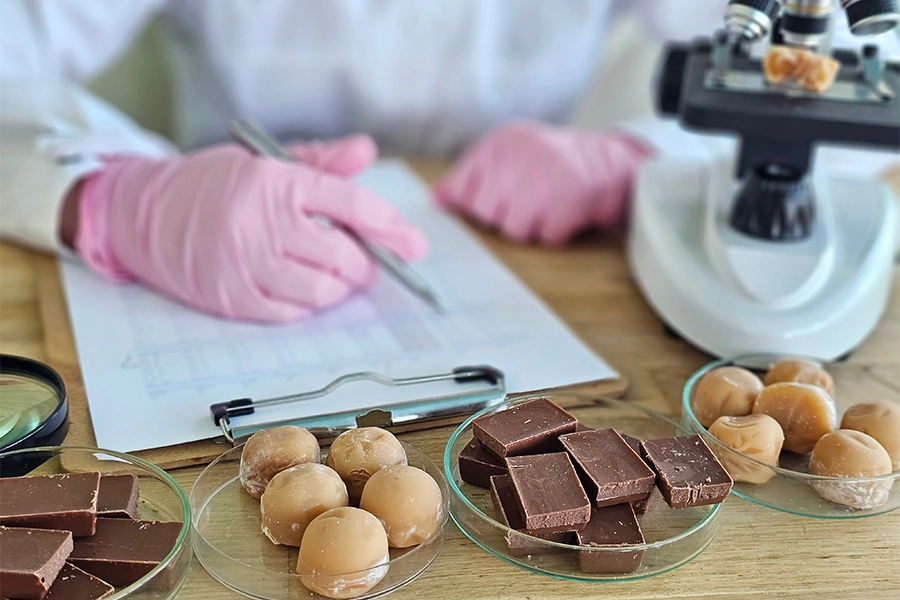 As sugar reduction and protein systems advance, flavor and texture are being engineered to preserve the indulgent appeal while meeting consumer health demands.
However, these ingredients can shift flavor perception and mouthfeel, and high-protein matrices can mute sweetness, amplify bitterness, or introduce earthy, beany notes. “As a result, flavor systems are moving beyond simple masking toward modulation and enhancement strategies that rebuild the full sensory curve. In sweet applications, sugar reduction is being supported not only by stevia or monk fruit, but by taste modulation technologies designed to manage onset, linger, and aftertaste,” Blake explains.
Fermentation is also expanding the flavor toolkit. Synergy’s lactic yeast, derived from fermented cheese whey permeate, enables intensified cheese-style seasoning in crisps and crackers without increasing cheese powder. The ingredient enhances umami and salt perception, opening pathways to sodium reduction while supporting vegetarian, kosher, and halal positioning.
Natural colors and processing challenges
As flavor is recalibrated internally, color is engineered externally in snacks to reinforce consumer expectations. Nathalie Pauleau, head of global product management and marketing at Givaudan Sense Colour, explains that color sets expectations before a product is tasted. “Studies show that consumers associate color with things like flavor, moods, texture, and even perceived health benefits, and the color intensity can also impact the perceived flavor intensity,” she says. “That first visual cue can either reinforce a product’s promise or create confusion.”
At the same time, the transition to natural colors introduces new formulation pressures. Extrusion, frying, and baking expose pigments to high heat, while oxygen exposure and transparent packaging can accelerate fading or hue shifts over shelf life. In surface-seasoned snacks, conventional natural powders may produce speckling or uneven coverage, compromising visual quality.
To address these challenges, Givaudan Sense Colour has developed micronized pigment systems under its Michroma range. The smaller particle size enables smoother, more uniform surface distribution and allows water-soluble pigments to be used in oil-based applications, expanding the palette beyond traditional carotenoids. Meanwhile, oxidation-resistant solutions, such as Endure Paprika and Endure Red Beet, are designed to retain vibrancy in heat-treated snacks.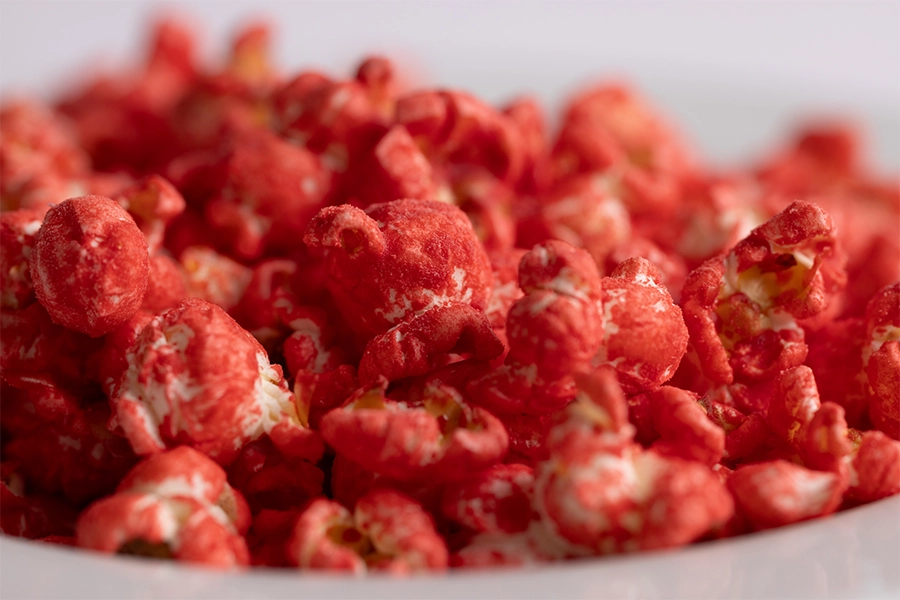 Natural colors are no longer just decorative but critical to aligning with consumer expectations, with innovations addressing challenges like heat and shelf-life stability (Image credit: Givaudan Sense Colour).
Innovation is also extending to biotechnology and supply chain control. Everzure Galdieria, a microalgae-derived blue recently approved by the US FDA (and under review in the EU), offers an acid-stable alternative to synthetic Blue 1, while the Amaize corn-based range provides vertically integrated traceability from seed to sale.
“The challenges related to natural colors usage in snacks are well known. Things like high-heat processing (extrusion or frying) or clear packaging can be a challenge for some colors. But this can lead to opportunities, too — we can help them develop technical expertise and confidence in selecting colors, so they can succeed in applying natural colors in their applications,” says Pauleau.
These advances signal a broader shift: in modern snack development, flavor and color are no longer decorative enhancements but performance-critical systems.