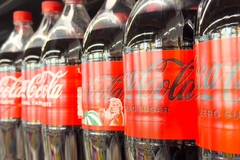



European Food Safety Authority withholds sucralose safety approval for high-heat applications


Key takeaways
- The European Food Safety Authority (EFSA) confirms sucralose (E 955) is safe for current uses but withholds approval for high-heat applications.
- EFSA maintains the Acceptable Daily Intake (ADI) of 15 mg/kg body weight per day, with current consumer exposure remaining below this level.
- The sweetener is widely used in reduced-sugar and sugar-free products, with a growing market for alternatives as consumers actively limit sugar in their diets.
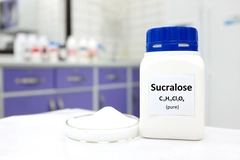
The European Food Safety Authority (EFSA) has said it cannot confirm the safety of sucralose (E 955) — a sweetener around 600 times sweeter than sugar and used in reduced-sugar and sugar-free F&B products — for additional uses requiring prolonged high-temperature processing.
However, EFSA experts concluded that sucralose is safe for consumers in its currently authorized uses as a food additive.
Following a “comprehensive review” of all available scientific data, EFSA experts confirmed the Acceptable Daily Intake (ADI) of 15 mg/kg body weight per day and indicated that current consumer exposure remains below this level.
Sucralose is used in many categories where a non-nutritive, intense sweetening effect is desired without adding calories, such as low- or no-sugar soft drinks, reduced-sugar desserts, sugar-free candy, reduced-sugar baked goods, and low- or no-sugar jams and spreads.

Innova Market Insights data suggests that sucralose was the most common sweetener (30%) in F&B launches globally between July 2024 and June 2025, followed by glycerol (23%) and stevia (16%).
More than one-third of F&B launches with sweeteners were in Europe (34%), followed by Asia (29%), while Soft Drinks had the largest share (20%), followed by Active Nutrition (16%) and Bakery (15%) (Jul 2024–Jun 2025).
Sucralose heating concerns
The assessment is part of an ongoing review of additives approved before January 20, 2009, as required by EU law. EFSA experts also assessed a new request to allow sucralose to be used in more fine bakery wares. Sucralose is already approved for use in wafer paper and cones, and wafers for ice cream.
EFSA points to a recent study which found that when E 955 is exposed to high temperatures for long periods, chlorine can migrate from sucralose and potentially form chlorinated compounds. The health effects of this are unknown.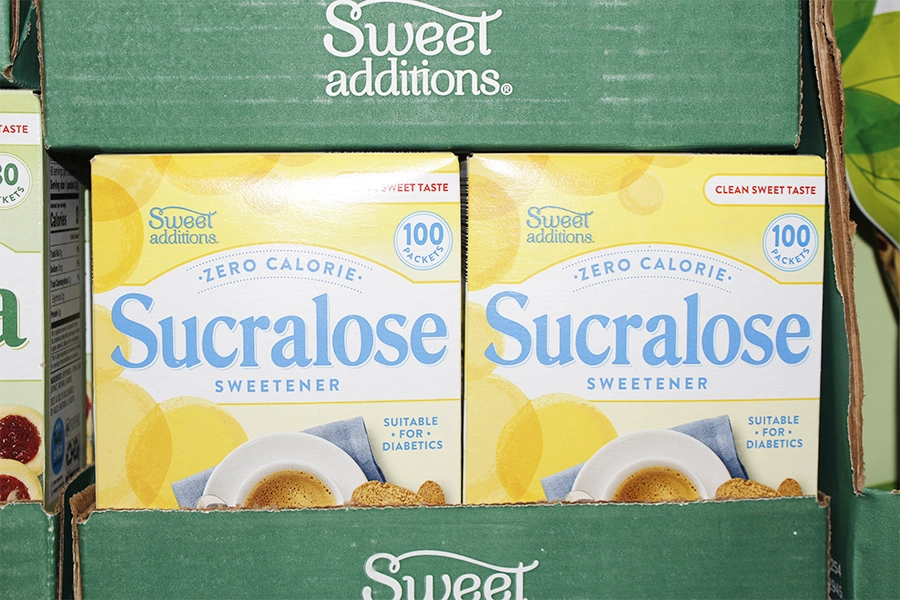 Innova data shows sucralose was the most common sweetener in F&B launches globally between July 2024 and June 2025.
“We confirmed that the current uses of sucralose as a food additive are safe. However, we could not reach the same conclusion for the new proposed uses we assessed, as these may involve several industrial processes requiring prolonged high temperatures,” says Laurence Castle, chair of the EFSA Scientific Panel on Food Additives and Flavourings.
Experts noted that factors such as temperature, cooking times, and the amount of sweetener used can also vary widely in home kitchens, meaning that the formation of chlorinated compounds during the preparation of home-made products that require high temperatures, such as frying and baking with sucralose, cannot be excluded.
Therefore, EFSA recommends that the European Commission consider the issue of chlorinated compounds forming during domestic cooking with sucralose. The European Commission and EU member states are expected to discuss this EFSA assessment.
Sugar reduction demands
Innova’s Health & Nutrition Survey 2025 found that 72% of consumers worldwide say they are actively limiting their sugar intake. The industry is responding, with the market researcher tracking an 8% CAGR in global F&B launches with sweeteners (Jul 2020–Jun 2025).
Following the EFSA sucralose review, the Calorie Control Council, an international association representing the low- and reduced-calorie F&B industry, released a statement saying, “The science is clear, sucralose is safe.”
“EFSA, one of the world’s foremost food safety authorities, once again affirmed the safety of sucralose, with the most comprehensive evaluation of scientific evidence in the past 20 years, giving consumers continued confidence to enjoy lower-sugar, great-tasting products, including those managing weight or diabetes,” says Carla Saunders, president of the Calorie Control Council.
Sweetener suppliers are moving beyond single-ingredient sugar swaps toward blended systems that combine rare sugars, stevia, citrus flavonoids, and sweet proteins to simultaneously rebuild taste, texture, and mouthfeel. We recently spoke with major ingredient suppliers and producers about how the sweetener landscape is shifting.




Upcoming webinars

Oat-Standing Ingredients - Showcasing Irish Grain Through Innovation
Tirlán Ingredients

2027 Food Safety Risks for Quality & Compliance Leaders
FoodChain ID

Formulating for function: Developing benefit-led beverages with natural colours, botanicals, and flavours
Givaudan Sense Colour