



Beyond sugar: How sweetener innovation is redefining taste and texture


Key takeaways
- The F&B industry is shifting from single-sweetener swaps to complex, systems-based sugar reduction solutions combining rare sugars, stevia blends, and taste modulators.
- Allulose’s global expansion hits EU roadblock after EFSA’s June 2025 rejection, while the Allulose Novel Food Consortium prepares a fresh safety dossier.
- Sweet proteins, AI formulation tools, and citrus flavonoid modulators emerge as new growth areas across beverages, bakery, and dairy.
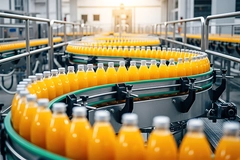
Sweetener suppliers are moving beyond single-ingredient sugar swaps toward blended systems that combine rare sugars, stevia, citrus flavonoids, and sweet proteins to rebuild taste, texture, and mouthfeel simultaneously.
Innova Market Insights data shows 72% of consumers worldwide are actively cutting sugar, while sweetener NPD is growing at 8% annually, presenting an increasingly lucrative market for the industry.
Food Ingredients First speaks with major ingredient suppliers and producers about how the sweetener landscape is shifting — from single-ingredient swaps to systems-based approaches inspired by AI-driven formulation tools. We also discuss how regulation is stalling progress in the EU.
Consumers want complexity, not just “less sugar”
The days of straightforward sugar-for-sweetener substitution are fading. Proprietary research from Ingredion reveals that complex mixtures of sweeteners now drive consumer liking and acceptance more effectively than single sweeteners, with stevia-based options among the most preferred. “Consumers are seeking clean-tasting, ethically sourced and affordable alternatives — not just to sugar, but also to artificial sweeteners,” says Adams Berzins, senior manager of sugar reduction at Ingredion.
“What consistently emerges is that the terminology matters less than the outcome. People want products with less sugar that still meet expectations for taste and texture.”
That shift is playing out differently across regions. Ingredion’s global study on sweeteners in beverages found that in the US, freshness is a positive driver, while artificial notes are a negative; in the UK, fruity profiles perform well; in Brazil, balanced sweetness wins out; and in India, consumers gravitate toward sweet notes but reject astringency.
 Consumers are increasingly seeking complex sweetness profiles beyond simple sugar reduction, with taste remaining the top purchase driver.The common thread, Berzins says, is that “effective sugar reduction solutions should support flavor delivery and create little to no unpleasant aftertastes.”
In Asia-Pacific, the consumer shift goes beyond reduction toward a stronger emphasis on clean labeling and ingredient transparency. “Consumers increasingly prefer products whose ingredient origin, processing method, and reason for use are easy to understand,” says Yeji Lee, manager for specialty marketing at Samyang.
Regulatory pressure accelerates reformulation
Sugar taxes and front-of-pack labeling requirements continue to reshape the competitive landscape. Over 120 countries have now implemented taxes on sugar-sweetened beverages and more than 40 have introduced front-of-pack nutrition labeling, according to data cited by Tate & Lyle.
A 2025 International Food Information Council survey found that 6 in 10 Americans are concerned about how much sugar they consume. “Regulatory developments are significantly influencing the F&B industry, prompting manufacturers to reformulate products to reduce sugar content,” says Emma Cahill, global marketing director for sweeteners, fibers, and GLP-1 at Tate & Lyle.
As we reported last year, the confectionery sector in particular faces a confluence of sugar taxes, HFSS regulations, and volatile commodity pricing. Ingredion’s own manufacturer surveys back this up: in 2023, over 90% of F&B manufacturers identified sugar reduction as a strategic priority.
Cahill notes that the increasing use of GLP-1 receptor agonists is also informing the company’s approach to sweetness levels and preferred mouthfeel qualities. “This strategy supports a holistic approach to health and wellness, providing products that cater to modern dietary preferences and health goals,” she says.
Allulose’s global moment — and the EU roadblock
Few ingredients illustrate the regulatory patchwork better than allulose. The rare sugar, which delivers about 70% of sucrose’s sweetness with a clean taste profile and functional properties like browning and humectancy, is approved in the US, Japan, South Korea, and Australia/New Zealand. But in June 2025, the European Food Safety Authority concluded it could not establish the safety of D-allulose as a novel food, after the original applicant failed to provide requested toxicological data — stalling EU market access.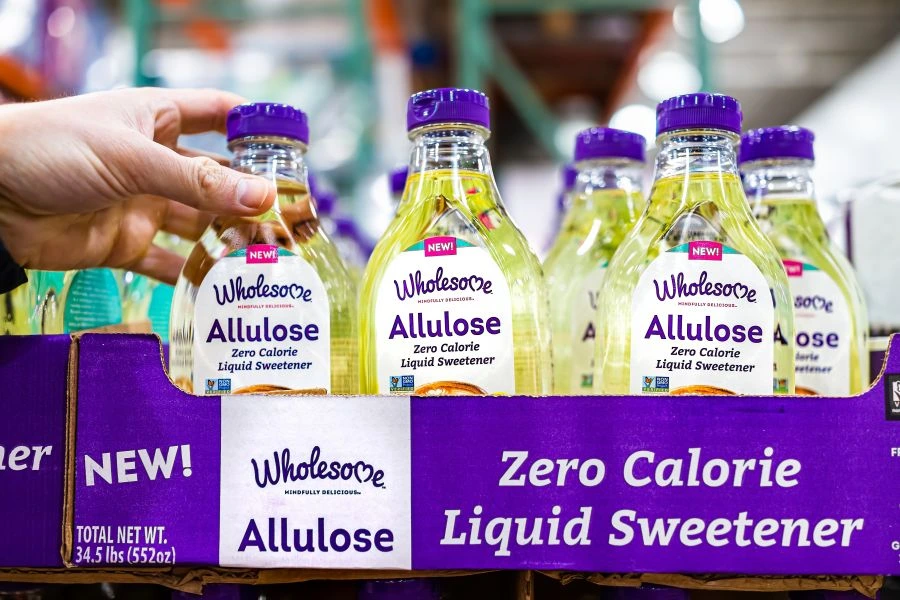 Allulose is approved in the US, Japan, South Korea, and Australia/New Zealand, but EU market access remains stalled after EFSA’s 2025 assessment.
That setback hasn’t dampened industry ambition. Samyang, which has a separate novel food application pending with the European Commission, is positioning itself for an eventual green light.
“Regulatory approval in the EU would represent an important turning point, enabling allulose to be considered as a globally standardized ingredient,” Lee says. The Allulose Novel Food Consortium — comprising Samyang, Ingredion, Matsutani Chemical Industry, and Cosun Beet Company — is also working to compile a comprehensive safety dossier for a fresh submission.
In the meantime, Samyang is tackling the ingredient’s other barrier: price competitiveness relative to sugar. The company is pursuing structural cost reduction and developing blended products such as Nexweet Blend CS 42 — a ready-to-use solution for manufacturers with limited R&D capacity. It is also deploying an AI-based formulation tool that provides guidance tailored to target sugar-reduction levels, cost constraints, and application categories.
Berzins at Ingredion, meanwhile, highlights that allulose “fits well into sugar replacement systems and supports reduced sugar formulations across categories” performing particularly well when paired with stevia-based sweeteners and functional build-back ingredients.
From single ingredients to sweetener systems
A recurring theme across all four companies is the move away from one-size-fits-all sweetener solutions. Sugar’s role in food extends well beyond sweetness — it provides bulk, mouthfeel, browning, and freeze-point depression. Replacing it means rebuilding all of those functions simultaneously.
Tate & Lyle is combining sweeteners like its Stevia Reb M range, Splenda Sucralose, and Dolcia Prima Allulose with fibers, such as Promitor Soluble Fiber, to replicate sugar’s functional properties while adding nutritional value. The company’s proprietary Sensation tool helps formulators fine-tune mouthfeel across starches, pectin, gels, gums, and proteins. “Building back mouthfeel is a key part of creating a consumer-preferred sensorial experience in sugar-reduced products,” Cahill says.
HTBA takes a different angle, using citrus-derived flavonoids not as sweeteners but as taste modulators. “Unlike conventional sweeteners, these flavonoids work synergistically with existing flavor systems, helping to mask bitterness or off-notes, and to balance flavor and mouthfeel,” says Mauro Trevisani, general manager North America and division manager for taste modulation solutions at the company.
Sweetener suppliers are moving toward blended systems that combine rare sugars, stevia, fibers and taste modulators to rebuild sugar’s full functionality.“That’s why we refer to them as modulators: they reshape sweetness perception to create a more balanced, sugar-like profile without imparting flavor profiles,” he explains. The company’s solutions are manufactured through a solvent-free chemistry process that extracts functional compounds from immature citrus fruits that would otherwise become agricultural waste, and several carry Upcycled Certified status.
Sweet proteins, bioconversion & plant-based growth
In the next three to five years, industry players will converge on several growth areas. Ingredion’s partnership with Oobli is accelerating access to sweet protein-based sweetener systems. “These ingredients, especially when paired with next-generation stevia blends, are ushering in a new era of sugar reduction solutions,” Berzins says.
Tate & Lyle is investing in bioconversion technology partnerships with Manus and BioHarvest to develop high-purity sweeteners with improved taste profiles, including an All-Americas Stevia Reb M. As we reported in October, F&B formulators are increasingly redefining sweetness through advanced ingredient innovation, from stevia Reb M and sweet proteins to rare sugars like allulose.
Samyang sees growth expanding beyond beverages into dairy, bakery, snacks, and sauces, with its portfolio evolving from a single-ingredient focus toward what Lee calls “a category-expanding, solution-oriented structure.”
HTBA’s Trevisani, meanwhile, anticipates the strongest opportunities in helping brands reformulate for ingredient transparency while managing raw material volatility.
“Emerging manufacturing technologies could help further support this shift by enabling more stable, scalable, and cost-efficient ingredients made with minimal environmental impact,” he says.
Innova Market Insights data underscores the scale of the opportunity ahead: sucralose currently leads sweetener NPD, but monk fruit concentrate is experiencing the fastest growth, and the overall sweetener category shows no signs of slowing.




Upcoming webinars

Oat-Standing Ingredients - Showcasing Irish Grain Through Innovation
Tirlán Ingredients

2027 Food Safety Risks for Quality & Compliance Leaders
FoodChain ID

Formulating for function: Developing benefit-led beverages with natural colours, botanicals, and flavours
Givaudan Sense Colour