

Plant-based innovation: Ingredient leaders drive shift from meat replacements to nutrient-rich solutions

Key takeaways
- Plant-based innovation is evolving beyond meat substitutes as consumers demand high-protein, nutrient-dense products aligning with health trends like GLP-1 usage.
- Millennial and Gen Z consumers increasingly prioritize protein, fiber, and sustainability when making purchasing decisions.
- Manufacturers are addressing functionality gaps, as taste remains the biggest challenge, amid efforts to balance nutrition and flavor in plant-based products.
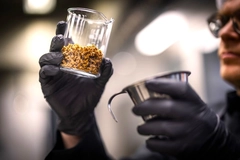 Apetit Kasviöljy Oy’s BlackGrain textured vegetable protein is naturally brown and suitable for meat analogs (Image credit: Apetit Kasviöljy Oy).
The bar for plant-based innovation has risen over the past few years. Consumers now expect more than meat-free substitutes — they want high-protein, nutritionally optimized products that align with evolving health trends, such as GLP-1 use, while also addressing growing environmental concerns. For manufacturers, the challenge is delivering both consumer and planetary health without compromising product taste and enjoyment.
Supermarket visits increasingly involve consumers scrutinizing food labels rather than simply picking up products labeled “plant-based.” Protein, fiber, cost, and climate impact drive purchase decisions, especially among Millennials and Gen Z consumers.
After an initial surge of explosive growth and significant investment, the sector experienced a slowdown period marked by site closures and a pivot toward hybrid and precision-fermented proteins. Innova Market Insights research indicates that NPD activity in the plant-based sector has stabilized, with a 4% CAGR in global F&B launches with plant-based claims from October 2020 to September 2025.

Food Ingredients First explores the latest in plant-based innovation — from overcoming taste and texture challenges to the influence of younger consumers and GLP-1 trends on F&B formulations — with Apetit Kasviöljy Oy, Amano Enzymes, Roquette, and Burcon NutraScience.
Antonio Sullo, head of R&D at Amano Enzyme Europe, observes overall consumer health trends “converging” in the demand for plant-based products.
“Consumers are no longer just demanding the plant-based version of their foods — they are also seeking additional health benefits, and more closely examining nutrition labels and inspecting ingredient lists on the packaging,” he says.
 Consumer scrutinty of nutrition labels and ingredient lists, and GLP-1 have created a demographic with a specific need for nutritional density, says Antonio Sullo.“This is leading to plant-based products with increased nutrition, such as higher protein, lower levels of sugar, or increased fiber content. Furthermore, medications like GLP-1 have created a demographic with a specific need for nutritional density, making macronutrients like protein even more important.”
Eco-friendly product demands are also rising. “Nearly 60% of consumers globally report changing their purchasing behavior to lower their environmental footprint, and over 60% say they are more likely to buy products that help reduce food waste,” says Jenny Tallberg, business development director at Apetit Kasviöljy Oy, a Finnish plant‑based food and ingredient company.
“Climate impact is a central purchasing consideration for younger consumers, especially Gen Z and Millennials.”
Citing an Innova Market Insights report, she says that over one-third of consumers are willing to embrace novel ingredients to achieve a more natural product. “They increasingly seek nutritious plant-based foods with clean labels, shorter ingredient lists, and naturally balanced macronutrient profiles.”
Beyond animal protein mimicry
Innova Market Insights’ fifth Top Trend for 2026, “Authentic Plant-based,” highlights how plant-based is shifting from animal protein imitation to nutrition, with consumers embracing natural plant protein for its added benefits. Nearly 55% of global consumers agree that plant-based products should be standalone solutions, not alternatives.
Early meat substitutes struggled with “off-notes, inconsistent mouthfeel,” and an underdeveloped nutritional profile, says Tallberg, but today, a transition has occurred from simple analogs to competitive or superior products.
 Cleaner label is a wish by the consumer for health reasons and by both consumer and the producer for cost reasons, says Jenny Tallberg.However, the rise of flexitarians means consumers are increasingly comparing plant proteins directly with animal-based alternatives, leading to higher expectations in the juiciness, structure, and functionality of plant-based foods.
Apetit Kasviöljy Oy’s response to these trends is its ingredient platform BlackGrain from Yellow Fields (Apetit’s rapeseed‑derived ingredients), which directly supports this demand through its “unique three-in-one” composition of protein, fiber, and beneficial fats..
“BlackGrain is produced from a side stream of rapeseed oil pressing, providing a circular, resource-efficient solution that shortens the food chain and still has a mild flavor. BlackGrain responds to the rising expectation that plant-based foods should match or exceed conventional alternatives in sensory quality.”
The ingredient’s natural fiber-protein-fat matrix enhances mouthfeel, moisture retention, and structure.
For Martin Schweizer, VP of technical development at Canada-based plant protein company Burcon NutraScience, first-generation plant proteins often exhibit undesirable attributes that make some F&B incorporations difficult. “Off-flavors, color challenges, and textural issues contributed to a less-than-ideal sensory experience for consumers,” he tells us.
But today, plant-based product innovation is on the “cusp of a revolutionary upswing” — a generation of high-purity, high-performance plant proteins is addressing many of these limitations.
“These advanced ingredients not only deliver improved taste and texture but also enable protein fortification in applications that were previously difficult to formulate — such as pizza dough, plant-based cheese, noodles, and plant-based beverages,” says Schweizer. Burcon offers 90%+ pure, neutral flavored and highly dispersible pea, sunflower, fava bean, hemp and canola/rapeseed plant proteins for hot and cold food, beverage, nutrition, nutraceutical, and foodservice products.
Addressing GLP-1 demands
Schweizer further points to the use of GLP-1 as one of the trends impacting consumer protein choices.
 Innova research says consumers expect to see plant-based foods in stores since about half of consumers are more likely to eat plant-based meals at home.“Consumer interest in protein — particularly plant-based protein — is being fueled by three primary drivers: a growing focus on healthier lifestyles supported by plant-forward diets; rising demand for sustainable, environmentally responsible food choices, and the emergence of consumers using GLP-1 weight-loss medications, who seek more nutrient-dense options.”
“To meet this rising demand, plant-based products across nutrition, nutraceutical, and foodservice categories must deliver not only on nutrition and functionality, but also on taste and overall sensory appeal.” Ultimately, taste is the critical factor that determines how quickly consumers adopt plant-based F&B.
Roquette’s head of marketing for Plant Proteins, Benjamin Voiry, adds that historically, plant-based products “fell short nutritionally” compared to their animal-based counterparts — a gap that has become harder to ignore as consumer priorities shift.
“With GLP-1 usage on the rise and a growing number of shoppers actively seeking out high-protein, health-forward foods, the bar has been raised for what plant-based ingredients need to deliver.”
Plant protein isolates derived from pea or fava bean offer 80–90% protein content, a good amino acid profile, and, with excellent digestibility, can offer “meaningful protein content in compact, commercially viable formats,” Voiry adds.
Tackling curdling, off-notes & stability
As plant-based innovation advances, curdling of plant-based beverages in coffee is one hurdle Sullo pinpoints.
 Martin Schweizer: While plant proteins offer a strong “healthy halo” across sustainability and climate impact, taste and texture remain the primary technical barriers to broader mainstream adoption.“We [Amano Enzymes] solved this challenge with PG500, the first protein glutaminase solution designed specifically to stabilize plant proteins in coffee for barista-quality beverages.”
The company’s solutions can help create “creamier and more stable” dairy alternatives and help manufacturers “optimize sweetness perception” without added sugars. They also generate desirable umami notes and meltability in plant-based cheese, he adds.
Apetit Kasviöljy Oy’s BlackGrain rapeseed powder targets off-flavors associated with high-protein ingredients in plant-based products. “By being mild in flavor and dark in color, it addresses the gap between nutritional performance and sensory expectations,” explains Tallberg.
“BlackGrain integrates smoothly into cereals, granolas, bars, breads, and hybrid products. It meets unmet needs for better nutrition without compromising flavor or texture.”
Beyond taste, Voiry highlights the pressure on manufacturers to ensure plant protein performs reliably on the production line by “behaving predictably in different formulations and delivering consistent results at scale.”
Roquette’s recent launches Nutralys Pea 850F and Nutralys T Wheat 600L enhance consumer appeal in plant-based and hybrid products. Nutralys Pea 850F offers a strong amino acid profile and high digestibility, while significantly reducing the “vegetal and pea-forward” notes that can be off-putting to consumers, says Voiry.
 According to Benjamin Voiry, manufacturers are working to optimize their processes and close the price gap with animal proteins over the long term.Nutralys T Wheat 600L textured wheat proteins can be utilized to create “meat-like fibrous structures” in chicken-style formats and hybrid products.
“An exciting future”
Burcon NutraScience’s Schweizer predicts an “exciting future” for plant-based innovation.
“By innovating, upcycling, and scaling agricultural crops and their byproducts into highly pure, great-tasting plant proteins, we can make an immediate impact on the global food and beverage industry.”
Sullo at Amano expects a transition from imitation products to those with clear nutritional benefits. “Consumers now have more access to nutrition information than ever before, and emerging AI-driven tools are expected to support more informed and personalized food choices.”
“Taste will remain the entry point, but purchasing decisions are increasingly influenced by nutritional values, especially protein quantity and quality.”
For Tallberg at Apetit Kasviöljy Oy, categories like hybrid products, gluten-free or nutritionally enhanced breads, sustainable and upcycled ingredients, and protein‑ and especially fiber‑enriched snacks and cereals are “primed for expansion.”