



Puratos unravels next phase of fiber innovation for gut health

Key takeaways
- Puratos is expanding the benefits of fiber beyond gut health to target satiety, glycemic control, metabolism, and mental well-being.
- By combining prebiotics with whole food matrices, fiber innovation enables brands to deliver microbiome benefits in more enjoyable foods.
- Underutilized plant side streams could become cornerstone tools in personalized nutrition, supporting sustainability while addressing individual needs.

Digestive wellness is now a mainstream consumer priority, and according to Puratos’ Taste Tomorrow insights, a significant proportion (79%) of global consumers agree that gut health has a positive impact on mental well-being. As a result, the company believes that fiber innovation extends beyond supporting gut function alone.
Alongside this, understanding is rising, and interest in fiber-forward innovation is appealing to health-conscious shoppers.
Food Ingredients First speaks with Sara De Pelsmaeker, group health and well-being director at Puratos, who sheds light on this space.
How are you developing fiber solutions that extend beyond gut health to target benefits such as satiety, weight management, or metabolic support?

Pelsmaeker: We’re learning more every day about the gut’s central role in overall well-being, and how it influences everything from immune function to metabolic health. Studies show that we really are what we eat — and individuals have the power to influence their own gut microbiome with their daily food choices.
We’re looking at fibers that may influence glycemic response, helping to moderate blood sugar levels after meals. We’re also exploring options that enhance satiety, which naturally support weight management goals. And we’re examining how different fiber types can affect metabolism, too. The challenge is formulating these functional fibers into foods that consumers genuinely enjoy eating. Our R&D team, therefore, focuses on creating fiber-rich products that deliver these metabolic and satiety benefits without compromising taste or texture. This allows us to meet consumers’ expectations for foods that support digestive and holistic health.
How is the intersection of prebiotics and fiber innovation driving new opportunities in the functional food and beverage market — particularly in products targeting the microbiome?
Pelsmaeker: The convergence of prebiotic science and fiber innovation is creating new opportunities in the field of functional foods. As consumers become more informed about the impact of gut health on overall well-being, they’re actively seeking scientifically proven ingredients that support their microbiome — which is where prebiotic fibers come in.
We’re working with various prebiotic fibers, such as inulin, which selectively nourish beneficial gut bacteria. Research also suggests that certain polyphenols can be promising prebiotic candidates, offering additional options to manufacturers. These ingredients open doors to “gut-friendly indulgence,” allowing consumers to choose between products they enjoy and ones that support their health.
We can incorporate prebiotic compounds either as pure ingredients or within whole food matrices, such as fruits, whole grains, and seeds. This approach allows us to deliver fiber as part of a complete nutritional package, including micronutrients, polyphenols, and prebiotic benefits — all in a single serving. Our ultimate goal is to help consumers enjoy their favorite treats while promoting a healthy microbiome.
How do you see the role of fiber evolving in the context of personalized nutrition — could fiber become a cornerstone for tailored gut health and metabolic solutions?
Pelsmaeker: We expect fiber to have a starring role in personalized nutrition moving forward. In fact, the shift from general nutritional ingredients to more targeted ones has already begun. We already know that individuals differ in their responses to the same foods in terms of blood glucose levels, satiety, and changes to the gut microbiome. In the future, there’s potential to match specific fiber types or blends to consumer segments or even to individual microbiome profiles and metabolic needs.
In practice, this could mean tailored fiber combinations for individuals with glucose management concerns, those seeking weight management, or those looking for digestive comfort and reduced bloating. As digital tools and microbiome testing become more accessible, fibers could become ‘programmable levers’ in personalized nutrition plans, with foods formulated to deliver the right type and dose of fiber for each profile.
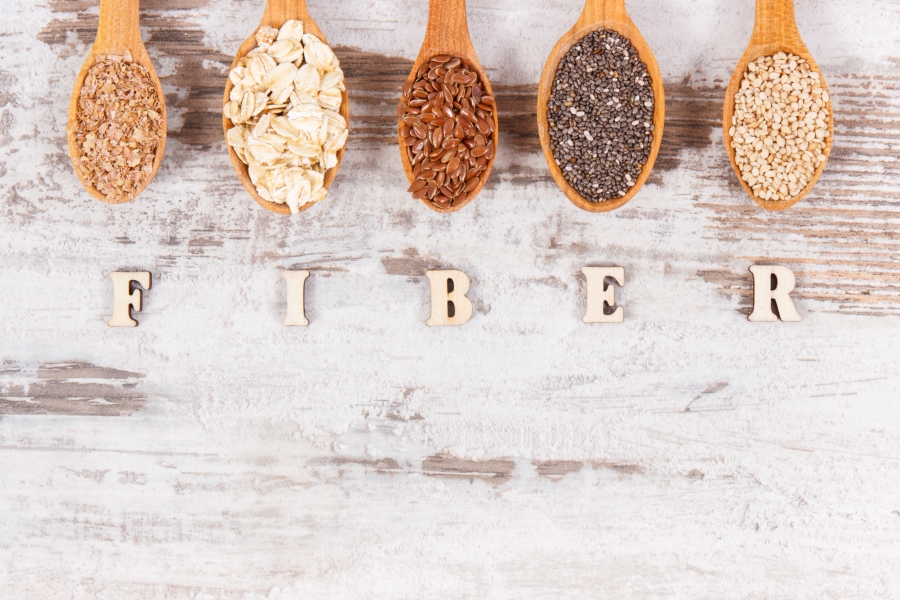 Puratos’ Taste Tomorrow insights continue to shed light on the growing impact of fiber on overall health.Although the future of fiber in personalized nutrition looks promising, more research is needed to develop tailored solutions — especially given the vast diversity in individuals’ responses to different fiber types. The key will be incorporating microbiome data, daily fiber intake, and health goals to create products that are optimized for specific population groups. It’s an exciting yet complex challenge that will take time to address.
Looking ahead, what emerging plant or upcycled sources of functional fiber do you see gaining traction, and how might these reshape the future of nutritional formulation?
Pelsmaeker: We expect to see strong growth from underutilized and upcycled fiber sources, such as fruit and vegetable byproducts, cereal bran, legume hulls, and byproducts from cocoa and coffee. These ingredients enable manufacturers to increase the fiber content while also enhancing sustainability by utilizing food that would otherwise be discarded.
To realize the full potential of these fiber sources, we must first overcome their current limitations. Many upcycled fiber sources don’t yet match the functionality of conventional fibers, whether that’s solubility, viscosity, gelling properties, or sensory profile. Processing technology is the key factor here. As companies refine their approaches to extract and process these materials, we’ll be able to transform them into clean label fibers that perform well in formulations and deliver the taste and texture that consumers expect.
What makes these upcycled fiber sources particularly exciting is their additional nutritional value. Beyond fiber alone, many contain polyphenols, minerals, or resistant starches that support broader health benefits — from blood sugar management to immune health and mental well-being. This allows formulators to build more comprehensive nutritional profiles into their products.
As processing technologies improve, these emerging fibers will enable the creation of products that are more nutritionally dense, sustainable, and aligned with circular economy principles. We’re already seeing significant progress, and the future looks promising for functional fiber innovations in the years to come.