



Gut-friendly foods: GLP-1 drives increased demand for fiber-rich options

Key takeaways
- Weight-loss medications reduce appetite, increasing the importance of fiber-rich, nutrient-dense foods to support digestion and gut health.
- Brands are launching high-fiber, protein-rich, and prebiotic-enhanced products to meet the nutritional needs of GLP-1 users.
- Adequate fiber intake, plant diversity, hydration, and functional ingredients help prevent constipation and support gut bacteria for the growing GLP-1 user market.
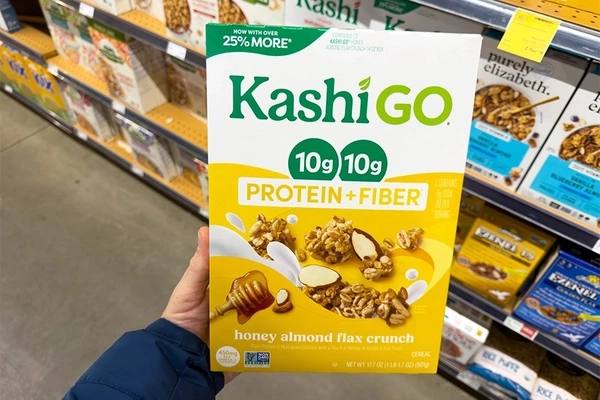
As the use of GLP-1 medications proliferates, interest in supporting gut health has exploded. The likes of Ozempic, Mounjaro, and Wegovy jabs amplify the importance of gut-healthy eating patterns that put fiber-enhanced and microbiome-supporting food and beverages at the heart of the diet.
The rise in GLP-1 use is leading to a sharpened focus on gut health — one which centers on fiber density, prebiotics, protein–fiber balance, while avoiding ultra-processed foods that worsen gastrointestinal symptoms.
Companies and brands are developing more GLP-1 products to appeal to users seeking extra functionality from the food they eat. For those on the medication, fiber intake can drop without careful planning.

Although it’s difficult to verify, estimates suggest that ~12% of US adults are currently using a GLP-1 medication for weight loss and/or diabetes combined, which amounts to roughly 31 million people. Nearly 3% of British adults are believed to have used a GLP-1 or dual GLP-1/GIP drug in the past year (~1.6 million adults), specifically to support weight loss. The majority are private prescriptions.
Optimizing fiber intake while on weight-loss medication
Taking GLP-1 medications reduces the appetite and, therefore, total food intake. “Making every bite count” in terms of both nutritional functionality and taste has become increasingly important for people using weight-loss jabs.
Many health experts and nutritionists say that GLP-1 use boosts the requirement for fiber-dense food, making the need to meet the government-endorsed recommended daily amounts of fiber (which is around 14 grams for every 1,000 calories consumed in the US, while the EU generally recommends a daily fiber intake of around 30 g) more important.
Addressing the “fiber gap” — the idea that most people are not eating enough fiber — is already a big consideration in the F&B industry. Closing this gap involves product reformulation and innovation, often adding fiber to breads, cereals, snacks, dairy alternatives, beverages, and meal replacements, and using novel fibers (inulin, resistant starch, soluble corn fiber, and beta-glucans).
Fiber is particularly helpful for GLP-1 users because constipation and other digestive issues can be side effects of the medications.
Gut health becoming a mainstream driver of holistic wellness aligns with Innova Market Insights' data showing there has been a 42% growth in F&B launches tracked with a gut or digestive health claim (Global, Jul 2023–Jun 2024 vs. Jul 2024–Jun 2025).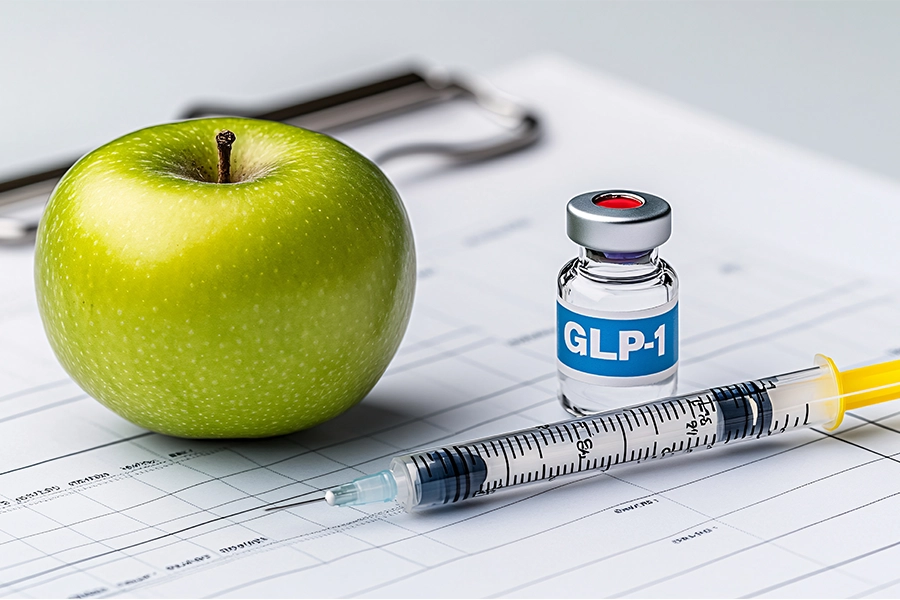 As GLP-1 use grows, the demand for fiber-rich, gut-boosting foods surges.
Microbiome support for GLP-1 users
There is some debate about how much GLP-1 stresses the microbiome. Reduced food volume and restricted food diversity can lead to less substrate for gut bacteria, slower gastric emptying (which can cause bloating and constipation), while lower fat intake can alter bile acids and the microbiome.
In addition, GLP-1 users are increasing their protein intake to avoid muscle loss. More protein-heavy diets have the potential to increase putrefactive metabolites.
GLP-1 users are encouraged not to skip fiber just because they are eating less, and to include plant diversity, even in small portions. Also, staying hydrated is crucial as GLP-1 users tend to have slower motility and, therefore, higher hydration needs.
Fiber-focused NPD for GLP-1s
NPD in fiber-forward foods and drinks marketed for GLP-1 users or aligned with GLP-1 nutritional goals (higher fiber and nutrient density) is gaining traction.
November 2025 saw the release of :ratio Pro-Fiber yogurt — a new GLP-1-friendly cultured yogurt from Lactalis offering 10 g of fiber + 20 g of protein per serving. It uses chicory root and soluble corn fibers to boost fiber content and has reduced sugar.
Another product explicitly designed for GLP-1 users is Oikos Fusion — touted as the first yogurt in the category with a proprietary combination of whey, leucine, and vitamin D, designed to support their needs in a convenient, easy-to-enjoy format. The product has been developed to support muscle maintenance and digestive health, and tailored specifically for GLP-1 users who face unique nutrition challenges. It contains 5 g of probiotic fiber.
Food tech company CarobWay has also unveiled its carob-derived prebiotic fiber, CarobBiome, which delivers gut and metabolic benefits and complements the GLP-1 diet. The company says the CarobBiom prebiotic fiber is based on the ancient Biblical carob fruit, which naturally contains polyphenols and actively nourishes the gut microbiota. Fiber-forward products take center stage as consumers on GLP-1s prioritize gut health and digestive wellness.
PepsiCo unveiled a gut-health-friendly soda last year with the launch of Pepsi Prebiotic Cola, which contains 3 grams of prebiotic fiber.
Nestlé was an early adopter of GLP-1 companion foods when it introduced Vital Pursuit, a new line of high-protein and fiber foods. The range offers smaller portions, which align with reduced appetite. Nestlé says Vital Pursuit is its first food brand directly intended for GLP-1 users. The F&B giant is expected to develop more products from this emerging category as it monitors consumers’ eating habits.
“Jab-uary” health kick drives interest in GLP-1-friendly food
Meanwhile, British retailers are watching closely as the GLP-1 trend develops, especially to see how it’s changing food-buying habits. Sainsbury’s notes a change in behavior toward fresh food and fiber for shoppers using GLP-1 antagonists.
As the New Year sparks renewed interest in diet and health, supermarkets, including Marks & Spencer, Morrisons, Asda, Ocado, and the Co-op, are proactively targeting GLP-1 users.
Campaigns include Ocado’s new virtual “weight management” aisle, featuring a “curated range of GLP-1-friendly products,” and M&S’s new range of “Nutrient-dense” meals. Meanwhile, Morrisons’ “GLP-1 friendly” own-label ready meals include a chicken casserole weighing just 280 g.