


Economic and regulatory pressures reshape chocolate and sugar confectionery


Key takeaways
- Regulation and pricing pressures are reshaping the confectionery industry, driving brands to reformulate in response to sugar taxes, HFSS rules, and volatile commodity costs.
- Consumers still demand indulgence with purpose, pushing brands toward premium, high-quality, lower-sugar products that also deliver sustainability, functionality, or health-driven claims.
- Industry leaders are accelerating sugar-reduction innovation, with companies deploying new sweetener technologies and portfolio-wide sugar cuts without compromising taste.

The chocolate and sugar confectionery space continues to face a myriad of challenges, including sugar taxes, high-fat, sugar, and salt (HFSS) regulations influencing formulation and marketing, and volatility in cocoa, sugar, and dairy pricing impacting margins. But F&B firms and ingredient suppliers are responding well, tackling these roadblocks head-on by innovating high-quality solutions that keep pace with consumer demands.
Key themes, such as indulgence, taste, better-for-you solutions, personalization, and limited edition premium products, are dominating the chocolate and sugar confectionery segments.
And, despite the challenges regarding availability and pricing, brands are developing products to meet consumers where they are — simultaneously seeking adventurous and pleasurable offerings, but with a purpose. These demands often translate to consumers looking for on-pack claims that include an added functional benefit or feature, such as “high-protein” or “low-sugar.”
While consumer behavior is also influenced by newer themes such as sustainability and sourcing, the core aspects of chocolate and sugar confectionery remain. People crave high-quality, great-tasting, indulgent products that often mark a special occasion or moment of pure pleasure, while simultaneously demanding that brands prioritize ethics, the environment, and health.
According to some key players we spoke with about consumer trends and market dynamics in the confectionery segment, consumer motivation in the chocolate confectionery space is driven by both pleasure-seeking and purpose-driven motivations.
Trends in confectionery
Anja Brand is brand manager of Uelzena Ingredients, the ingredients division of Uelzena, a dairy cooperative based in northern Germany. She explains the mix of consumer motivations the supplier of dairy ingredients is seeing.
“Given the current high price levels of chocolate and chocolate products, people may be indulging less frequently, but when they do, they do so much more consciously. Products featuring high-quality ingredients, artisanal-style production, and more sustainable packaging are in high demand. Consumers perceive these products as “worth their price.”
“General food trends such as high protein content, sugar reduction, or the enhancement of products through the addition of superfruits, are also reflected in the confectionery aisle.
From our perspective, environmentally-friendly packaging and the use of sustainably produced, natural raw materials are becoming increasingly important topics. Sustainability is becoming an integral part of the development and marketing of confectionery.”
 Originating in the United Arab Emirates, Dubai chocolate is a style of chocolate bar made with milk chocolate, filled with a creamy pistachio-tahini paste and crispy kadayif (shredded filo pastry).As a supplier of ingredients to many leading brands in the chocolate and confectionery industry, Brand says that the topic of sustainable production and supply chains has gained immense priority and now holds a central position in its customers’ procurement processes.
“This is especially true in our sector, the dairy industry. In addition to product quality and price, criteria such as proof of the carbon footprint at the product level, sourcing of raw materials from regional and sustainable dairy production, evidence of ongoing investments in resource- and CO2-saving production technologies, and detailed sustainability reporting are increasingly playing a decisive role in our customers’ choice of us as their supplier.”
Permissible indulgence
As a supplier to the chocolate and confectionery industry for milk-based ingredients such as butterfat, skim milk powder, and sweetened condensed milk, Uelzena Ingredients’ focus is on classic products, including chocolate and chocolate bars.
“There are always short-lived trends and new varieties that consumers are eager to try — last year’s hype around the trendy Dubai chocolate is a good example. These developments are particularly driven by social media nowadays. However, most of these trends disappear as quickly as they emerge. According to relevant statistics, the classics — including nougat, nut, and milk chocolate, as well as chocolate bars and caramel specialties — remain the favorites among consumers. And they are likely to remain so.”
Sneha Karthikeyan, senior confectionery scientist at AAK USA, agrees that the confectionery space is dominated by “a stronger demand for indulgence, especially permissible indulgence where consumers can enjoy healthy portions of delicious-tasting decadence.”
“There is a lot of potential for confectionery to grow in the choco-bakery space, where confectionery indulgence, satiety, and value can be enhanced. Through the choco-bakery, more snacking opportunities could be gained,” she tells us.
AAK too is noticing the price instability of certain confectionery ingredients.
“Definitely, cocoa is the most susceptible to price volatility, probably followed by fats, and especially those ingredients impacted by tariffs.”
“The best way the team at AAK is managing supply chain pressures and regulatory changes is to keep up as best as possible with the changes and have options to pivot to once regulations are implemented.”
Slashing sugar but keeping sweetness
Pivoting to get ahead of changing regulations is common practice in the F&B industry. One of the latest examples is how companies and brands will respond to the planned changes to the UK government’s sugar tax scheme, which is now likely to include milkshakes, coffee drinks, and milk substitutes, as part of renewed efforts to tackle obesity.
Reducing sugar in confectionery formulations requires careful handling to balance taste and texture while achieving reductions of 30% or more in sugar content.
Irma Gonzalez, global product manager, Sweet Taste, Givaudan Taste & Wellbeing, tells Food Ingredients First that the scientific domain of sugar reduction is extraordinarily complex, as removing sugar can unbalance the complexity and delicacy of a sweet flavor.
“Having a deep knowledge of sweet perception is crucial, but no easy feat. Manufacturers need help navigating the regulatory landscape, which is constantly changing, to meet the necessary requirements, but also provide the full taste experience desired by consumers.”
“Industry players face the huge challenge of creating new and desirable products with less sugar, but without compromising taste, within budget, and at scale. Not to mention overcoming various challenges associated with alternative sweeteners, such as aftertaste and bitterness, which can be undesirable for consumers.”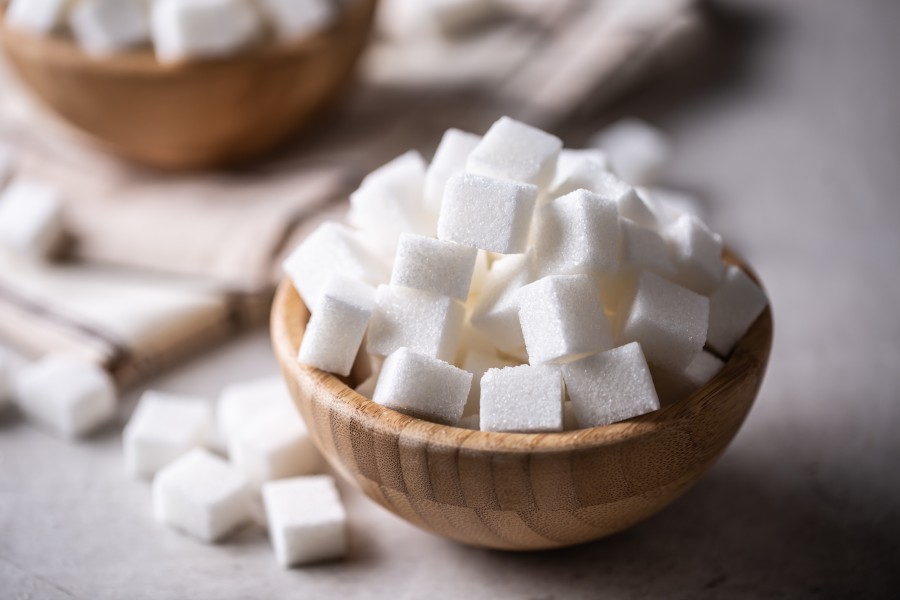 Reducing sugar in confectionery formulations requires careful handling to balance taste and texture.
“Confectionery manufacturers will need to identify solutions to mask off-notes and imbalances in sweetness modulation and develop innovative recipes that consumers prefer. True innovation is necessary to meet the evolving needs of the market. Several formulas are available to manufacturers that can deliver flavorful and nutritionally balanced products that cut sugar without compromising taste. Going beyond traditional descriptive profiling, a holistic profiling approach that allows a deeper understanding of consumers’ perceptions of foods and beverages will be key to future product formulation,” Gonzalez says.
Cutting sugar in 2025
This past year has seen a renewed push to reduce sugar use in the confectionery portfolios of some of the largest food companies.
Ingredion has been showcasing its new sugar reduction solution this year by introducing Dulcent Sweetener Solutions, which are designed to help manufacturers (including confectioners) balance taste, affordability, and consumer appeal.
Nestlé publicly launched a new “sugar reduction technology” aimed at lowering sugar content across its confectionery and other food products by using enzymatic or ingredient-level reformulation. The food giant claims this technology can lower sugar by up to ~30%.
PepsiCo also claims to have surpassed its 2025 target of reducing average added-sugar levels in its European soft drinks portfolio by 46% (versus 2019 baseline). The company also reports that “No Sugar” variants now make up 37% of its volume mix, resulting in a yearly sugar reduction of over 120,000 metric tons.