



Maximizing mouthfeel in healthier F&B: How ingredient innovators tackle texture challenges


Key takeaways
- Maintaining creaminess, richness, and texture is critical for reformulated F&B to meet taste expectations, even with reduced sugar, fat, or salt.
- High-purity plant proteins, starches, fibers, and flavor modulation technologies help replicate original mouthfeel while supporting clean label and functional formulations.
- Multi-sensory mouthfeel, contrast, and indulgence remain central to product innovation, enabling healthier, convenient, and plant-based options without compromising sensory appeal.

Food and beverage brands are reformulating their products to better align with changing consumer preferences for healthier offerings and keep pace with the shifting regulatory landscape and government-backed dietary recommendations. Maintaining the texture and mouthfeel of F&B products is a central priority for manufacturers.
We speak to key players Burcon, Ingredion, Tate & Lyle, and Sensient Europe to discover how they are overcoming texture hurdles to develop healthier solutions, such as reduced-sugar, reduced-sodium, and low-fat options. We also look at their innovation pipelines and how enhancing mouthfeel will drive innovation and reformulation in the years ahead.
The challenge is that sugar and fat do far more than contribute sweetness or calories — they fundamentally shape body, lubrication, flavor release, and the lingering melt-in-mouth satisfaction consumers associate with quality. As these components are reduced, the sensory risk increases.

Sensory experience
Sohan Singh, application lead, Beverage and Healthful Solutions, Sensory and Innovation Process, APAC at Ingredion, explains how consumers have become more value-seeking and discerning. They want “better-for-you” and simpler labels at an affordable price point that still deliver a great eating experience.
“Mouthfeel is how a drink or a bite is perceived in our tongue and palate from the first taste to the swallow. Think of a smooth and heavy coffee, the richness of a creamy sauce, or the specific ‘snap’ of a crunchy snack. Even the chewy and satisfying mochi texture in baked goods is an example of a unique texture experience and mouthfeel,” he tells Food Ingredients First.
“As consumer preferences and regulatory dynamics evolve, reformulation has become a priority for manufacturers. However, reducing sugar, sodium, and fat often strips away the ‘body’ of a product, impacting its original texture experience. This is why mouthfeel has become a critical focus today. There is a need for manufacturers to ensure that as products become healthier, they still deliver the original texture experience that consumers expect and enjoy.”
Reducing sugar and fat
The challenges that brands face are diverse across different categories, but they are all centered on delivering indulgence while remaining healthy, Singh notes. In the beverage sector, for instance, one major challenge is recreating the body of a full-sugar drink with reduced- or no-sugar content. In dairy and dressings, there’s the challenge of getting the same creaminess with reduced fat content.
“In the bakery category, sugar and fat provide the consistency and texture essential to a batter. Reformulating cookies to be lower in fat and sugar often results in a loss of the bite or snap consumers expect, leaving the texture either too hard or unsatisfactorily soft. Ultimately, the goal is to understand in depth these formulation challenges and brand requirements to design the right solutions for reformulation.”
Ingredion’s process begins with deep consumer research to identify the specific mouthfeel characteristics people want in a product. Using proprietary tools like Texicon and Sweetabulary, the team evaluates mouthfeel from both texture and taste perspectives. An expert sensory panel translates consumer descriptions into measurable attributes, helping define how reformulated products should feel and taste compared to the original.
These insights are then used to map how ingredients affect texture, flavor, and mouthfeel. Using food tribology and advanced analytical tools, the team measures key physical properties and connects them to sensory data to create solutions that closely match the original product — while ensuring full regulatory compliance.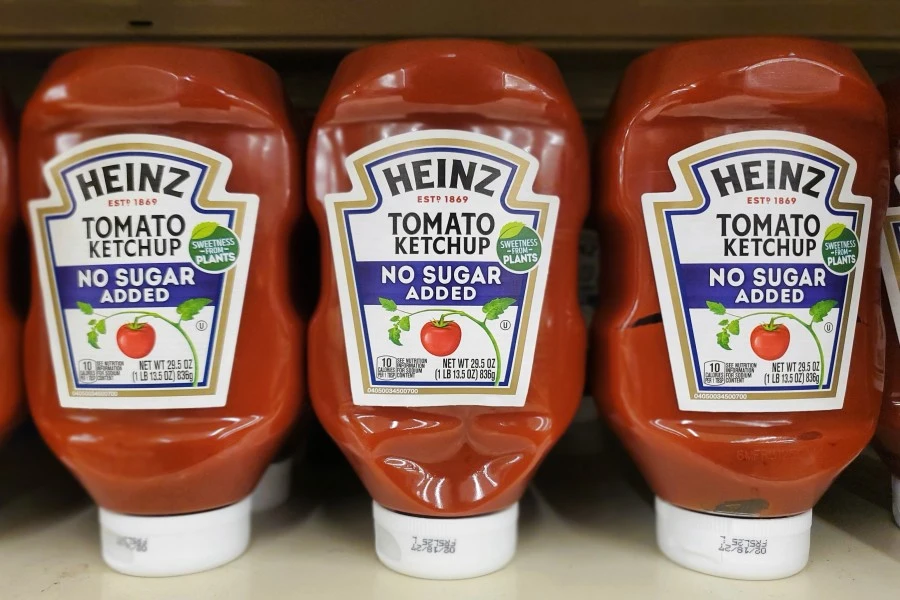 The challenges that brands face are diverse across different categories, but they are all centered on delivering indulgence while elevating health and nutrition.
Maintaining mouthfeel
Mouthfeel sits at the heart of taste, as the deciding factor in how consumers judge quality, indulgence, and satisfaction, according to Marina Di Migueli, global marketing director, Starch, Protein and Mouthfeel at Tate & Lyle.
“As reformulation accelerates — driven by sugar and fat reduction, cleaner labels, fortification, and evolving regulations — consumer expectations remain high. Shoppers increasingly want products that are healthier, more affordable, or more sustainable, but they won’t compromise on sensory appeal,” she tells us.
“Because mouthfeel is multi-sensory and often assessed subconsciously, it can be the deciding factor in whether a reformulated product feels familiar and acceptable or noticeably different. When mouthfeel is maintained, reformulation can go unnoticed. When it is compromised, even products with strong nutritional credentials can struggle to meet consumer expectations and deliver repeat purchases.”
Di Migueli reinforces that the biggest challenge is that many of the ingredients being removed also contribute to structure and sensory balance. Sugar and fat contribute body, creaminess, melt, and mouth-coating, while several functional ingredients will support texture consistency, stability, and shelf life performance.
“When these ingredients are reduced or removed, products lose important mouthfeel attributes, which can result in thinner textures, dryness, chalkiness, faster breakdown in the mouth, or reduced creaminess. In plant-based, high-protein or fortified formats, these challenges are often amplified, as proteins and fibers often bring additional textural complexity,” she says.
“At the same time, cleaner label expectations limit the range of ingredients formulators can use to rebuild structure and texture. This makes mouthfeel one of the most complex and high-risk aspects of reformulation, requiring careful balancing of sensory quality, processing performance, and label acceptability.”
Tate & Lyle designs solutions around what customers need, not individual ingredients. Depending on the application and challenge, the team tailors combinations of starches, fibers, and hydrocolloids to deliver specific mouthfeel attributes, such as creaminess, viscosity, aeration, stability, structure, or bite.
“In reduced sugar or fat systems, for example, nature-derived texturants and functional fibers can help restore smoothness, fatty mouth-coating, and controlled melting behavior. These solutions support both sensory quality and technical performance across processing and shelf life, helping manufacturers maintain the expected eating experience, even when formulations change significantly,” says Di Migueli.
Removing ingredients like sugar and fat and reformulating to maintain mouthfeel comes at a time when, despite ongoing economic pressures and rising food prices, consumers are simply not defaulting to the lowest price point, but becoming far more selective about what they consider worth paying for. And taste remains the single most important driver of those decisions.
Preserving richness and creaminess
Seles Gupta, application scientist at Sensient Flavors & Extracts Europe, tells Food Ingredients First that consumers associate attributes such as butteriness, smoothness, richness, and melt-in-mouth textures with pleasure and treat-like experiences.
“If a product loses its appealing mouthfeel during reformulation, it risks being perceived as less enjoyable or less premium, which can lead to rejection by consumers. That is why, as reformulation accelerates, preserving the richness, mouth-coating, or creaminess of food products has become a critical focus for F&B manufacturers. If these attributes are diminished, products risk losing their premium perception — and with it, repeat purchase and long-term brand loyalty.”
Gupta points out that maintaining mouthfeel when certain ingredients are removed is even more challenging in plant-based alternatives. Plant proteins and fats do not naturally melt or coat the palate in the same way as dairy counterparts, which can leave products, such as plant-based yogurts, milk, and butters, feeling less authentic or indulgent.
“Astringency, chalkiness, or lingering cardboard and grainy notes — particularly in oat or legume-based products — can further compromise perceived richness. For brands looking to achieve cleaner back-of-pack labeling, reformulation becomes even more demanding.”
Traditional emulsifiers, stabilizers, and texture-modifying agents that have historically helped maintain body and mouthfeel may no longer align with clean label positioning,” she says.
“As reformulation removes traditional sources of indulgence, the challenge is no longer just replacing ingredients — it’s restoring how a product feels and how that feeling shapes overall enjoyment. Sensient addresses this by focusing on flavor modulation and enhancement technologies that elevate mouthfeel and perception, rather than relying solely on structural changes to the recipe,” says Gupta. Food and beverage innovators face challenges to achieve the same creaminess in dairy products with reduced fat content.
Texture in dairy-free and plant-based F&B
Sensient’s TrueBoost Mouthfeel technology helps restore creaminess, richness, and mouth-coating in fat-reduced products, rebuilding the indulgent cues consumers associate with premium quality. In plant-based dairy alternatives, it can also help soften common off notes, such as cardboard, grainy, or lingering vegetal nuances, allowing the intended flavor profile to come through more cleanly.
“This can make a tangible difference across applications, whether that’s helping a dairy-free ice cream deliver a more indulgent dairy-like experience or enabling baked goods made with vegetable oils to taste richer and more buttery.”
Sarah Medina, lead research and development scientist at Burcon NutraScience, highlights how the company’s high-purity plant proteins deliver nutrition and clean flavors, enhancing mouthfeel across applications. Burcon offers a range of high-purity 90%+ pure plant protein ingredients in pea, sunflower, canola, fava bean, and hemp that have “exceptional” mouthfeel, no aroma, and neutral flavor.
“A key advantage of Burcon’s high-performance plant proteins is that they don’t require masking agents, and this helps enable the clean label formulations consumers are demanding.”
“With Burcon’s innovative plant-based protein technology platform, manufacturers can incorporate high-performance protein ingredients that enhance mouthfeel and flavor while increasing the product’s protein nutrition. By incorporating Burcon proteins, F&B manufacturers can reduce or eliminate the need for undesired food additives — supporting clean label formulations built around ingredients consumers recognize and trust.”
Burcon has been tackling the taste, mouthfeel, “meltiness,” and stretch challenges often associated with plant-based savory cheese by trying to match these characteristics of traditional cheese.
“One independent university study of plant-based cheese based on our high-purity pea and sunflower proteins found they delivered the desired stretch, melt, oil binding, and shredability expected of a commercial Mozzarella-style cheese while maintaining a very clean and mild flavor. Achieving dairy-like melt, stretch, and mouthfeel has long been the holy grail of plant-based cheese,” Medina says.
What’s next in mouthfeel trends?
Looking at the expanding trends poised to shape innovation in enhanced mouthfeel over the next few years, Gupta at Sensient flags that “doing more with less” will gain momentum.
Di Migueli at Tate & Lyle sees consumers are actively seeking contrast, intensity, and playfulness in texture. Loud crunch, lighter aerated structures, and multi-dimensional formats are becoming powerful ways for brands to stand out and create memorable eating moments across both sweet and savory categories.
“Health and functionality continue to influence innovation as well. Mouthfeel plays a critical role in ensuring that added protein, fiber, or functional ingredients enhance rather than detract from the eating experience. Products are expected to feel indulgent and satisfying, even as they deliver additional nutritional benefits.”
Convenience is also a powerful force, as consumers want foods that deliver consistent texture and satisfaction, even after freezing, reheating, or having a long shelf life. “This puts pressure on formulations to maintain mouthfeel throughout processing, storage, and preparation, without compromising quality,” Di Migueli concludes.



Upcoming webinars

Oat-Standing Ingredients - Showcasing Irish Grain Through Innovation
Tirlán Ingredients

2027 Food Safety Risks for Quality & Compliance Leaders
FoodChain ID

Formulating for function: Developing benefit-led beverages with natural colours, botanicals, and flavours
Givaudan Sense Colour