


Ingredion sugar reduction expert: How stevia and sweet proteins close savory formulation gaps


Key takeaways
- Ingredion says its combination of stevia with emerging sweet proteins adds measured sensory gains that deliver against single ingredients.
- The company highlights the challenges of reducing sugar in savory applications, where it helps balance acidity, enhance umami, improve texture, and extend shelf life.
- Ingredion spots the convergence of sugar reduction with positive nutrition as a significant commercial opportunity.

Sugar appears in products consumers rarely associate with sweetness, including ready meals, sauces, and marinades. Modern shoppers recognize this and increasingly want the ingredient reduced. They also expect no loss of taste in return. Ingredion’s research finds that the majority of consumers in the US and Canada consider reduced-sugar claims important when selecting ready meals.
According to Ingredion, savory applications are where reformulation proves most difficult. Sugar balances acidity, enhances umami, contributes texture, and supports shelf life. Its removal leaves functional gaps that sweetness alone cannot close. Proprietary Ingredion research reveals that the majority of US consumers actively avoid artificial sweeteners. At the same time, F&B companies increasingly treat sugar reduction as a strategic priority.
Adams Berzins, senior manager for sugar reduction at Ingredion, speaks with Food Ingredients First about multi-sweetener systems, why savory resists solutions that work elsewhere, how consumer familiarity shapes ingredient selection, and where the next decade’s opportunities sit.
What is the most meaningful and recent advancement in your sweetener portfolio?
Berzins: Industry innovation is moving toward next-generation sweetener systems that combine multiple technologies to deliver a more complete sweetness experience. One of the most meaningful advancements has been the ability to combine stevia and emerging sweet proteins to create a more sugar-like sweetness experience.
Ingredion sensory research has shown these solutions can improve sweetness intensity while reducing lingering sweetness and improving sweetness onset compared with individual ingredients alone. In a beverage prototype, we observed up to a 22% improvement in sweetness intensity and a 32% reduction in lingering sweetness.
But innovation isn’t only about taste. Customers also need functionality. Whether it’s improving solubility through our Clean Taste Solubility Solution or simplifying formulation with Dolcerra category-based solutions that address sweetness and texture together, we’re helping brands reduce sugar while maintaining the taste, texture, and overall consumer experience. Berzins says stevia and sweet protein blends deliver more sugar-like sweetness and functionality and have potential in savory applications.
Which sweetener technologies are you investing in most heavily right now, and why?
Berzins: The areas attracting the most momentum across the industry today are plant-based sweeteners like stevia, sweet proteins, and rare sugars, such as allulose and multi-sweetener solutions designed to deliver a more consumer-preferred sweetness experience.
Our focus is driven by changing consumer preferences and what brands need. Proprietary Ingredion research shows that 65% of US consumers are actively avoiding artificial sweeteners, while 90% of F&B companies identify sugar reduction as a strategic priority.
Stevia remains a significant area of interest because there is still more to discover within the stevia leaf and the broad range of steviol glycosides it contains. We continue to advance agricultural and ingredient development approaches to help improve both taste and functionality. Coupled with advances that are helping scale sweet proteins and other naturally derived sweetening compounds, these innovations are creating new opportunities for multi-sweetener solutions.
Successful sugar reduction strategies rely on ingredient innovation, sensory science, and formulation expertise. No single ingredient can solve the challenge on its own.
Which application category remains hardest for sugar reduction, and why has it resisted solutions working elsewhere?
Berzins: As consumers become more aware of where sugar shows up across their eating occasions, savory products are increasingly becoming a focus. Consumers may discover sugar in a favorite ready meal and want it reduced, but they still expect the same taste and overall experience.
Savory applications remain among the most challenging categories because sugar contributes far more than sweetness. It helps balance acidity, enhance umami, build texture, and support shelf life, all to deliver the overall sensory experience consumers expect. Removing sugar without addressing those functions can result in taste and texture gaps, which is why successful reformulation increasingly depends on restoring functionality alongside sweetness and taste.
The challenge is particularly relevant as consumer interest in sugar reduction expands beyond traditionally sweet categories. Ingredion research shows that 63% of consumers in the US and Canada consider reduced-sugar claims important when selecting ready meals, highlighting growing demand for sugar reduction solutions in savory applications.
How much does an ingredient’s reputation drive sweetener selection versus its functionality?
Berzins: Both ingredient reputation and functionality influence sweetener selection decisions, particularly when introducing newer ingredients. Introducing newer-to-consumer ingredients such as sweet proteins like brazzein, requires understanding which consumers and brands are most willing to embrace innovation. While single ingredients rarely sell products on their own, solutions that deliver benefits such as great clean taste or reinforce a positive consumer choice are often best positioned to build acceptance over time.
Our proprietary research tracks consumer awareness and acceptance of ingredients over time, including sweeteners. Consumer familiarity often influences acceptance, making perception an important consideration in ingredient selection. For example, Ingredion consumer research shows stevia is accepted by 67% of consumers in the US and Canada.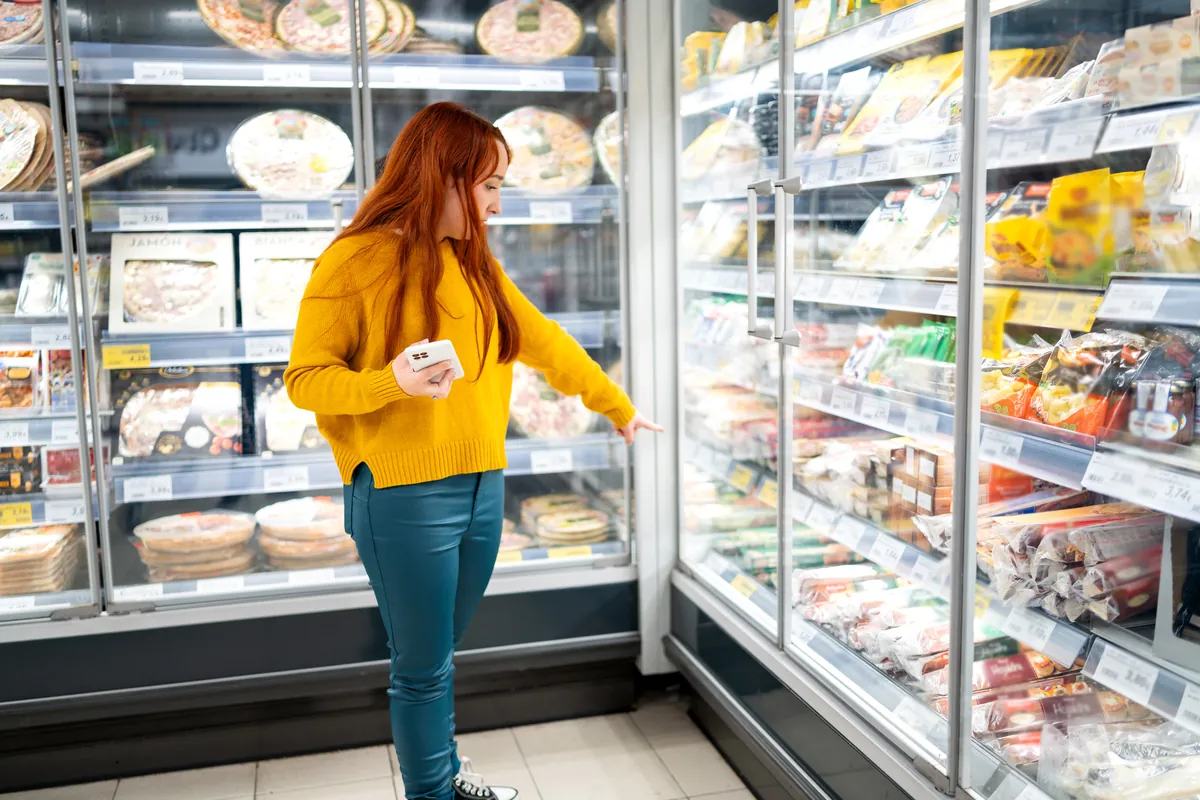 Ingredion research finds that 63% of consumers in the US and Canada consider reduced-sugar claims important when choosing ready meals.
To help customers make informed choices, we combine these consumer insights with sensory and application research that demonstrates how sweetener solutions perform in real-world products and deliver on requirements such as taste, texture, and overall product experience.
Which ingredients or applications represent the biggest opportunities over the next decade?
Berzins: Sugar reduction today is about more than removing sugar. It’s about delivering the eating and drinking experience consumers expect while supporting broader nutrition goals.
One of the most significant opportunities lies at the intersection of sugar reduction and positive nutrition. Increasingly, consumers are looking for products that deliver reduced sugar alongside added nutritional value through ingredients such as fiber and protein. This creates opportunities for brands to rethink the entire product experience rather than focusing on a single ingredient replacement.
We see strong opportunities in beverages, nutritional beverages, and other categories where consumers expect both great taste and additional nutritional benefits. Ingredion research shows that 69% of consumers in the US and Canada consider reduced-sugar claims relevant in nutritional beverages, while approximately one-third of consumers are purchasing more products with reduced-sugar or no-added-sugar claims than they did the previous year.
Emerging approaches such as sweet proteins, sweetness modulation technologies, and multi-sweetener systems will continue to expand the formulation toolbox, helping brands deliver products that meet evolving wellness priorities without compromising consumer enjoyment.