



Beyond sugar swaps: Sweetener systems tackle taste, texture and GLP-1 nutrition needs


Key takeaways
- Industry experts see a shift from single-sweetener swaps to full sweetener systems to build texture, flavor, and functionality.
- Layn, HTBA, and Tate & Lyle spotlight their recent advancements in sweetener solutions and how they solve sugar reduction’s biggest challenges.
- The companies pinpoint GLP-1 users, clean label demands, and Asia-Pacific beverages as some of the biggest opportunities.

When producers pull sugar out of formulation, other things leave with it. Bulk and crystallization in confectionery, or body, mouthfeel, and flavor in beverages. In plant-based and high-protein products, sugar is often used to cover beany, earthy, and astringent notes. Sweetness is not the problem, it is all of the added benefits that sugar brings with it.
Effective sweetener solutions do not just need to answer the sweetness problem, they need to address the formulation and reformulation challenges as well. Therefore, many suppliers are championing sweetener systems. Upstream, ingredient suppliers are changing how the sweetening molecules are made and where they come from.
At the same time, clean label demands are driving further innovation. Food Ingredients First speaks with HTBA, Layn Natural Ingredients, and Tate & Lyle about their latest sweetener innovations for modern clean label and reformulation demands.
Investing in taste
Brooke Grandberry, global sweetener portfolio director at Tate & Lyle, says the company is putting most of its sweetener spending into R&D on taste and functionality across its low- and no-calorie range. This includes its Tasteva Stevia Sweetener Portfolio, Yume M Stevia Sweetener, Dolcia Prima Allulose, and Purefruit Monk Fruit platforms.
“To meet the growing global demand for sugar reduction, we are expanding our production capabilities and making significant investments in Splenda Sucralose production. Sucralose has been the leading high-intensity sweetener (HIS) used in new product development launches over the past five years, and we are enhancing our capacity to support this demand,” says Grandberry.
Meanwhile, Doris Ip, senior marketing manager at Layn Natural Ingredients, says Layn is spending where sugar reduction matters most to con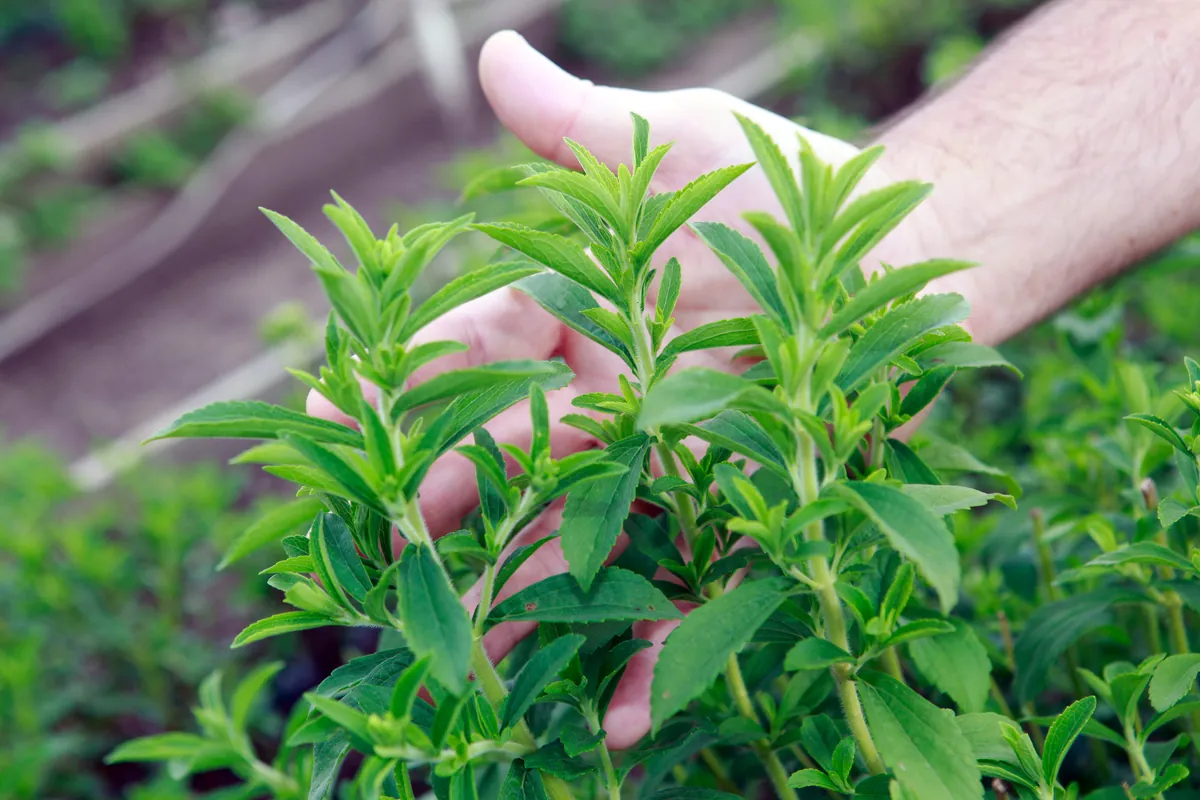 Grandberry names Yume M as Tate & Lyle’s most meaningful recent sweetener advancement.sumers and is hardest to execute. She says that is in beverages, hydration, and better-for-you foods. Ip notes that each demands a clean label, taste, and regulatory readiness.
“At Layn, we work closely with brands not only on sweetener selection but on full formulation support, helping them optimize sweetness curves, solubility and stability, and overall sensory performance across beverages and other applications,” she reveals.
“By pairing our ingredient portfolio with application expertise, we can troubleshoot challenges in real finished products and co-create solutions that meet both technical and consumer expectations.”
At the same time, Emily Wagener, global product manager for taste modulation at HTBA, says its sweetener selection is a commercial decision before it is a technical one, which is why she says an ingredient’s reputation can weigh nearly as heavily as how it performs.
“How consumers perceive the name, whether it needs explaining on-pack and what it signals about the product all influence whether a brand is comfortable putting it on the label,” she says. “An ingredient may be selected for its functionality, but consumer perception often determines whether it makes it into the final product.”
Leaning on new innovations
Wagener says that HTBA’s latest innovation, Citrose, is an HIS aimed at cutting sugar without costing taste or forcing an unfamiliar name onto the label. She explains that the patented complex comes from immature Citrus aurantium fruit that drops before harvest. That origin makes it Upcycled Certified and, in the US, declarable by its citrus-derived common name.
“It has a faster sweetness onset, fewer off notes, and less of the lingering aftertaste that can undermine reduced-sugar products, particularly when multiple sweeteners are used in combination,” she explains.
Grandberry names Yume M as Tate & Lyle’s most meaningful recent sweetener development. She adds that the bioconverted stevia Reb M is the first product out of the Sweetener Alliance, the company’s partnership with Manus. She adds that it delivers a clean, sugar-like taste without the bitterness that dogged earlier stevia products.
“A key feature of Yume M is its all-Americas supply chain, with stevia leaves grown and extracted in Peru and bioconverted in Augusta, Georgia,” Grandberry highlights. “This supply chain not only supports local economies but also ensures a fully traceable stevia leaf, providing transparency and reliability in sourcing.”
“Yume M Stevia Sweetener provides a premium taste experience while maintaining the health benefits associated with reduced sugar intake. This advancement aligns with our commitment to making healthier food tastier, and tasty food healthier.”
Ip cites the expansion of Layn’s monk fruit platform as the company’s most important recent sweetener advance, with decoction powder and liquid arriving alongside SteviUp M2 — a clean label, non-GMO stevia extract. Ip at Layn states that side-by-side tasting settles sweetener choices faster.
“Monk fruit decoction gives formulators a fruit-derived, ultra-clean label option that is also aligned with European market access, while SteviUp M2 offers a cleaner, more sugar-like taste with superior solubility and reduced lingering sweetness,” she adds. “Studies done by Layn have shown that even at a concentration of 10%, SteviUp M2 was clear with no precipitation.”
Functionality and reputation
The companies point out that customers and consumers can have multiple demands from any sweetener solution. Ip spotlights functionality as one of the main drivers. She states that many teams start with consumer-driven assumptions, such as favoring “natural” options like stevia and monk fruit over synthetics. However, she notes that, in practice, taste, solubility, stability, and regulatory fit are often what actually decide the formulation.
“To make those decisions grounded in facts rather than assumptions, we focus on application data and side-by-side trials instead of claims alone,” she says. “That means sharing sensory and performance data, co-developing prototypes in the customer’s target applications, and hosting tastings where teams can compare different sweetener systems in the same finished product.”
“When customers can directly taste and measure differences in sweetness curve, aftertaste, clarity, and shelf life stability, functional performance reliably overtakes initial reputation in their final choice.”
HTBA is concentrating on clean label work, Wagener says, because reformulation briefs increasingly ask for it. Consumer acceptance of synthetic-sounding ingredient names has been sliding for some time, and manufacturers now want sugar reduction that leaves the ingredient declaration familiar and easy to read.
She also notes that the demand runs against another. Taste and texture still sit among the top priorities for most US consumers, Wagener adds. Shoppers want less sugar and a label they recognize, and most are unwilling to trade away taste to get either.
“That’s why we’re building out our taste modulation portfolio around citrus-derived flavonoids that work at very low use rates, so they can improve sweetness and suppress off-notes without adding complexity or extra declarations to the label,” says Wagener.
Grandberry gives reputation and functionality equal billing in sweetener selection. She states that consumers are more alert to the health effects of high sugar intake and are hunting alternatives. At the same time, she says the replacement still has to perform in the application and adds that Tate & Lyle educates customers on both.
“We provide comprehensive resources, including technical support and application guidance, to demonstrate how our sweeteners can be effectively used in various formulations,” Grandberry underscores. “Through workshops, webinars, and collaborative product development, we help our customers understand the unique benefits and functionalities of our sweeteners, ensuring they make informed decisions.”
Toward the next decade
Wagener at HTBA puts GLP-1 medications among the decade’s biggest openings for sweetener innovation. Wider use of weight management injections and pills is handing F&B companies a new formulation problem that is centered on delivering more nutrition in smaller formats, she says.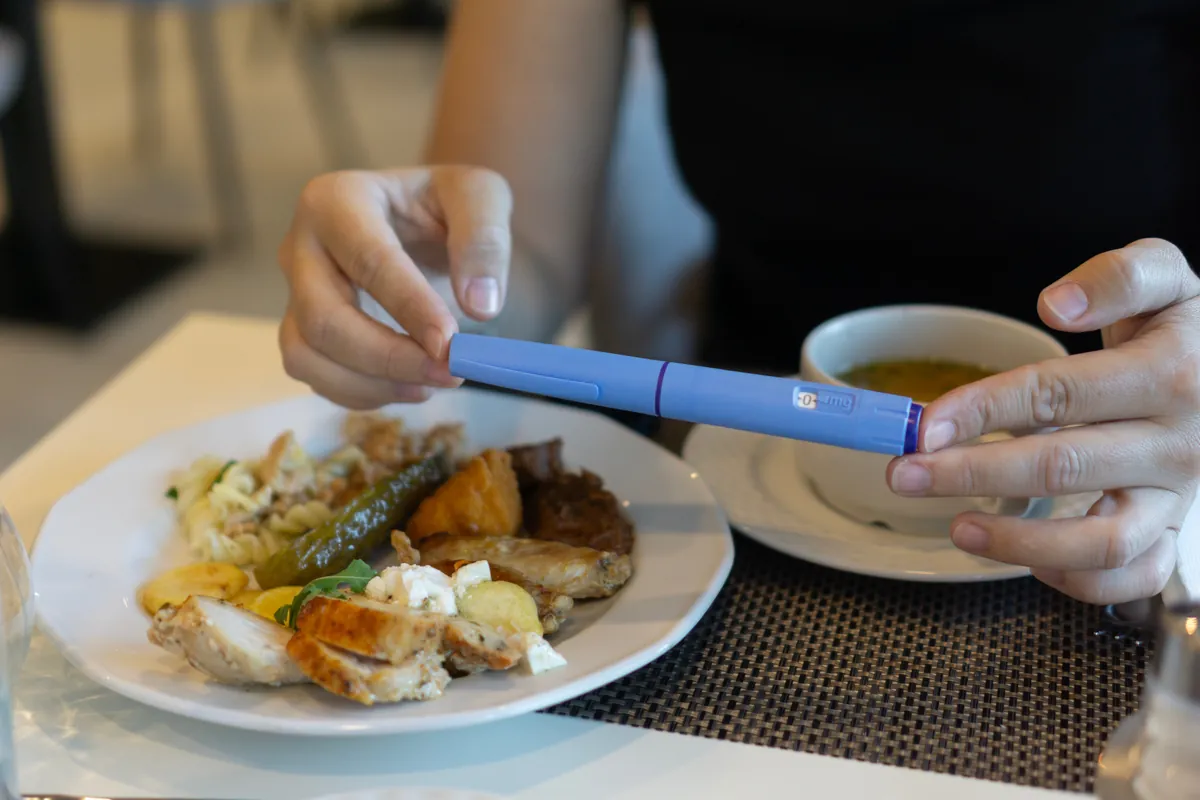 Wagener at HTBA sees GLP-1 nutrition as opening new ground for taste modulation and citrus flavonoids.
Appetite suppression means users may need their protein, vitamins, minerals, and functional actives from smaller portions. Concentrating those ingredients concentrates the off-notes too. She also notes that many GLP-1 users also report heightened sensitivity to bitterness and artificial sweetener aftertaste, which raises the bar on taste performance.
“This creates a significant opportunity for taste modulation, as products designed for this market need to deliver high nutritional density without compromising on taste or relying on heavy masking systems,” Wagener explains. “The same opportunity extends beyond GLP-1 nutrition into functional products targeting metabolic, cardiovascular, and cognitive health, where many of the most interesting active ingredients bring their own bitter or astringent profiles.”
Grandberry at Tate & Lyle says the largest sweetener opportunities lie in Asia-Pacific, where demand for healthier food and drink is climbing fast. She says that India stands out, with rising diabetes rates and sugar-heavy items across many eating occasions. Stevia and monk fruit fit that demand on natural origin and sugar reduction performance.
She spotlights beverages as the second opening, with manufacturers working to cut sugar without losing taste or consumer appeal. Grandberry calls it the application most sensitive to any change in sweet taste and says Tate & Lyle is scaling production of non-artificial sugar reduction solutions to meet it.
“Yume M Stevia Sweetener is a great example of this approach, with its all-Americas supply chain, it offers a fully traceable, high-quality Reb M stevia that meets consumer preferences for taste, clean label, and cost-effectiveness,” she says. “By investing in these emerging markets and applications, we can drive the adoption of our innovative sweetening solutions and support the global shift toward healthier diets.”
For Layn, Ip says the biggest opening over the next decade is globally scalable clean label sugar reduction in beverages and functional drinks. She adds that this is a must for nutrition products where natural, fruit-derived ingredients already carry weight.
“We also see strong opportunity in ingredient systems that combine monk fruit and stevia to create a more sugar-like profile across a wider range of applications.”