





Color innovation breakthroughs push natural shades beyond the performance gap


Key takeaways
- Natural colors are becoming more vibrant, stable, and easier to use across demanding F&B applications.
- Fermentation, encapsulation, plant breeding, and advanced extraction expand shade options and improve supply resilience.
- Regulatory pressure and clean label demand accelerate the shift from synthetic dyes to scalable natural color systems.
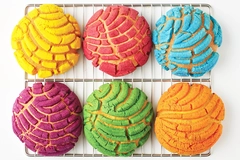 (Image credit: California Natural Color).
Natural food colors are evolving from imperfect substitutes for synthetic dyes into high-performing tools that can help food and beverage products stand out.
As regulators intensify scrutiny of synthetic dyes and consumers seek cleaner, more recognizable ingredient lists, suppliers are applying fermentation, encapsulation, plant breeding, advanced extraction, and application-specific formulation to solve the industry’s toughest performance problems.
The commercial stakes are rising. However, according to Innova Market Insights’ 2025 global analysis of natural coloring agents, artificial colors still appear in a larger share of new product launches globally (9%), compared with 7% for natural colors.
Natural color stability becomes new baseline
For dsm-firmenich, the breakthrough is not simply finding a pigment with the right hue. It is engineering that color to survive the realities of manufacturing and shelf life.
“The biggest breakthroughs are happening where formulation science meets process engineering. The challenge is no longer simply recreating the shade of an artificial dye, but delivering natural colors that remain stable throughout manufacturing, distribution, and shelf life, while meeting increasingly demanding regulatory and consumer expectations,” says Sandro Tomita, global head of coloration at dsm-firmenich.
“We’re helping to overcome many of those barriers through our advances in encapsulation, emulsion technology, and precision engineering of carotenoids.”
The company has developed crystal-clear yellow, orange, and red versions for beverages, while addressing separation, sedimentation, bottle staining, and fading. Tomita says the shift toward tailored systems is critical because the performance of any pigment depends on the surrounding matrix, pH, processing conditions, and desired sensory profile.
“Five years ago, many reformulation projects were judged successful if they achieved an acceptable natural replacement. Today, manufacturers expect natural colors to match artificial performance, while also supporting clean labels, global production, and resilient supply chains,” he tells Food Ingredients First.
That need for resilience is influencing dsm-firmenich’s investment in fermentation-derived carotenoids.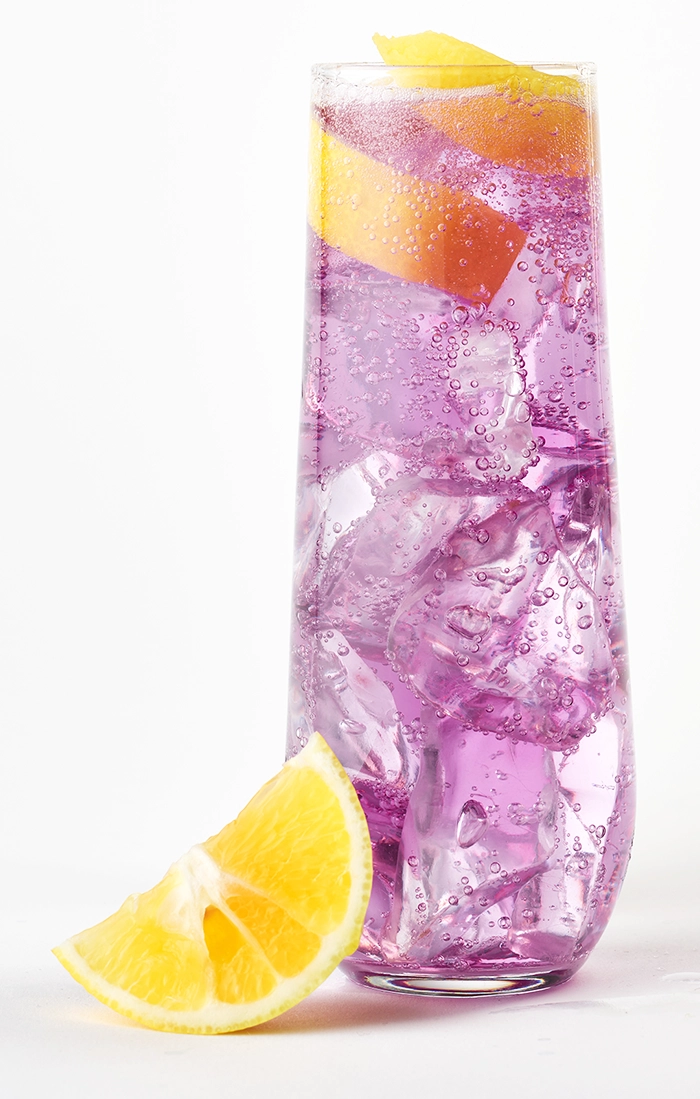 Concentrated crystal colors deliver shelf-stable storage and up to 10 times the color strength of liquid alternatives (Image credit: California Natural Color).
“Fermentation is one of the most exciting developments because it enables year-round production of ingredients, such as β-carotene, with consistent quality, while reducing dependence on seasonal harvests and agricultural land,” explains Tomita.
“Encapsulation and advanced emulsion technologies are helping natural pigments withstand processing and shelf life challenges by protecting them from heat, light, and oxidation, while maintaining vibrant color in demanding applications.”
Concentrated crystal colors improve handling and cost-in-use
California Natural Color is also addressing the gap between natural color performance and manufacturers’ operational requirements, with innovation centered on concentrated dry formats and an expanded shade palette.
“The biggest breakthroughs are expanding the range of natural colors, while improving stability, ease of use, and performance in specific applications,” says Jay Howard, color technology manager at the company.
“One exciting example is our development of clean label brown shades, giving brands more options to achieve rich, appealing colors with recognizable ingredients. We’re also advancing our crystal color portfolio, which offers concentrated, easy-to-use colors with simpler handling and shelf-stable storage. It offers 5–10 times higher color concentration than liquid alternatives and quick solubility for efficient incorporation.”
The platform reflects a wider industry transition from natural replacements to engineered natural color systems. Brands now expect shades to hold through varying pH conditions, complicated formulations, distribution, and storage, while fitting into established production lines.
“We are seeing innovation shifting from natural alternatives to engineering more robust color systems, with progress in improving color stability, increasing color intensity, and developing formats that are easier for manufacturers to incorporate into their existing production processes,” Howard tells us.
Regulatory readiness is becoming part of the technical brief. Howard notes that global brands increasingly want to harmonize formulations rather than maintain separate recipes for individual markets. That is pushing R&D toward raw materials with broad regulatory acceptance, scalable supply, and lower reformulation risk.
The pressure aligns with Innova’s 2025 US color ingredients analysis, which highlights demand for natural ingredients, short ingredient lists, and transparent sourcing. The market researcher points to precision fermentation and encapsulation as emerging technologies that can improve versatility, stability, shelf life, and brightness in applications such as snacks and ready-to-drink beverages.
Plant breeding and fermentation expand natural color palette
At GNT, breakthroughs start with both the raw material and the application. Sonja Scheffler, head of product management at GNT Group, says advances in raw material selection, plant breeding, processing technologies, and formulation are closing long-standing gaps in heat, light, and acid stability, as well as cost-in-use.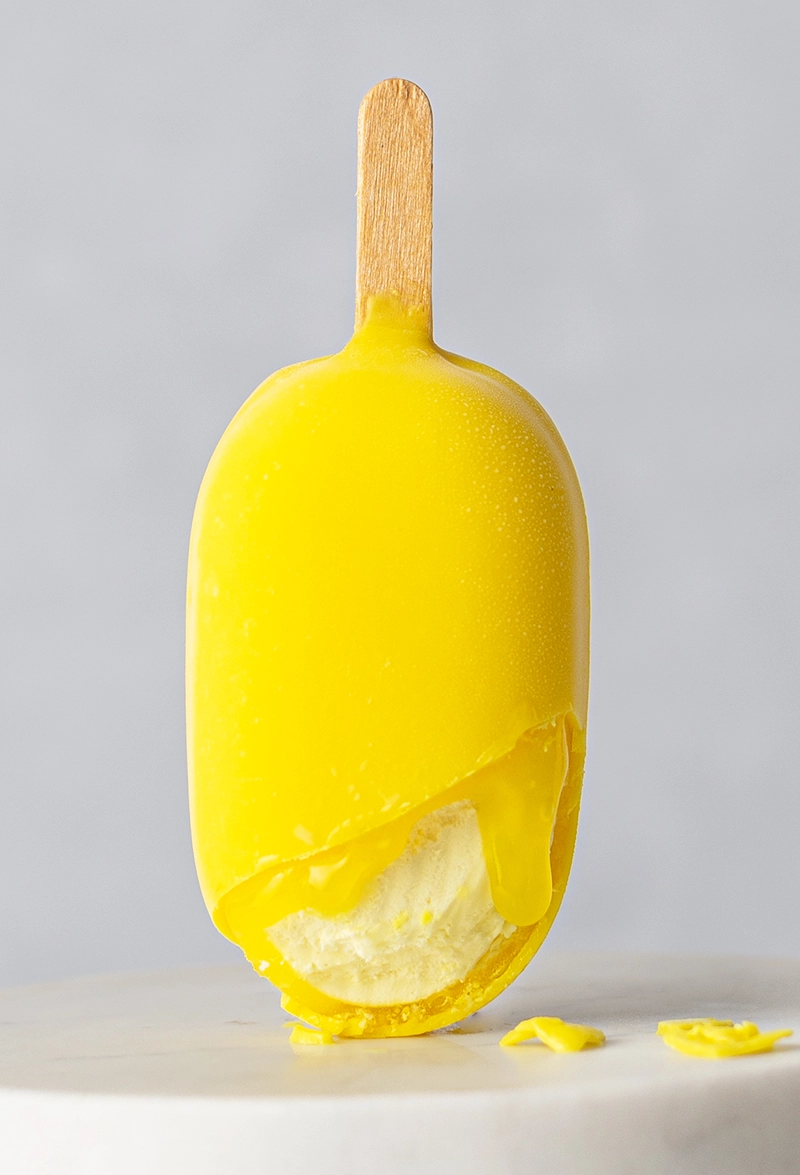 Plant breeding, processing, and formulation advances help natural colors achieve greater vibrancy, stability, and consistency (Image credit: GNT).
“Five years ago, many brands were willing to compromise on shade intensity or shelf life performance in exchange for cleaner labels. Today, that’s no longer the case. Customers increasingly expect natural colors to match the vibrancy, consistency, and functionality of synthetic alternatives, while maintaining simple ingredient declarations,” she tells Food Ingredients First.
Demand varies by category. Acidic beverages require bright shades that tolerate sweeteners, vitamins, and functional ingredients. Confectionery needs intense rainbow colors that survive processing and storage. Bakery and dairy products need heat and process tolerance, while plant-based meat requires realistic color behavior that supports the eating experience.
GNT is also investing in difficult blue, green, and purple shades, including spirulina-based solutions, while using agricultural programs to raise pigment intensity in key crops.
“At the agricultural level, advanced breeding programs based on natural farming methods are enabling higher pigment concentrations and more resilient crops. This directly supports better product performance, lower resource consumption, and improved economics,” says Scheffler.
Scheffler sees fermentation, upcycling, digitalization, and AI-supported workflows as complementary tools.
“The most scalable opportunities are likely those that simultaneously improve product functionality, sustainability, and supply resilience.”
Blue breakthroughs and delivery systems unlock new applications
Oterra is similarly expanding the boundaries of natural color through new pigment sources, partnerships, and delivery technologies. Luc Ganivet, chief innovation officer at Oterra, says much of the most important work happens behind the finished product.
“The biggest breakthroughs are happening where consumers never see them: stability, processing tolerance, consistency, and vibrancy. In comparison to synthetic colors, natural colors have traditionally been challenged by factors such as heat, light, pH, and ingredient interactions.”
Blue remains one of the industry’s most difficult targets. Oterra has expanded its portfolio with Arctic Blue, created with Vaxa Technologies, and Jungle Blue from jagua fruit, developed with Ecoflora Cares. These innovations broaden the possibilities for blue, green, and purple shades in dairy, frozen desserts, and confectionery.
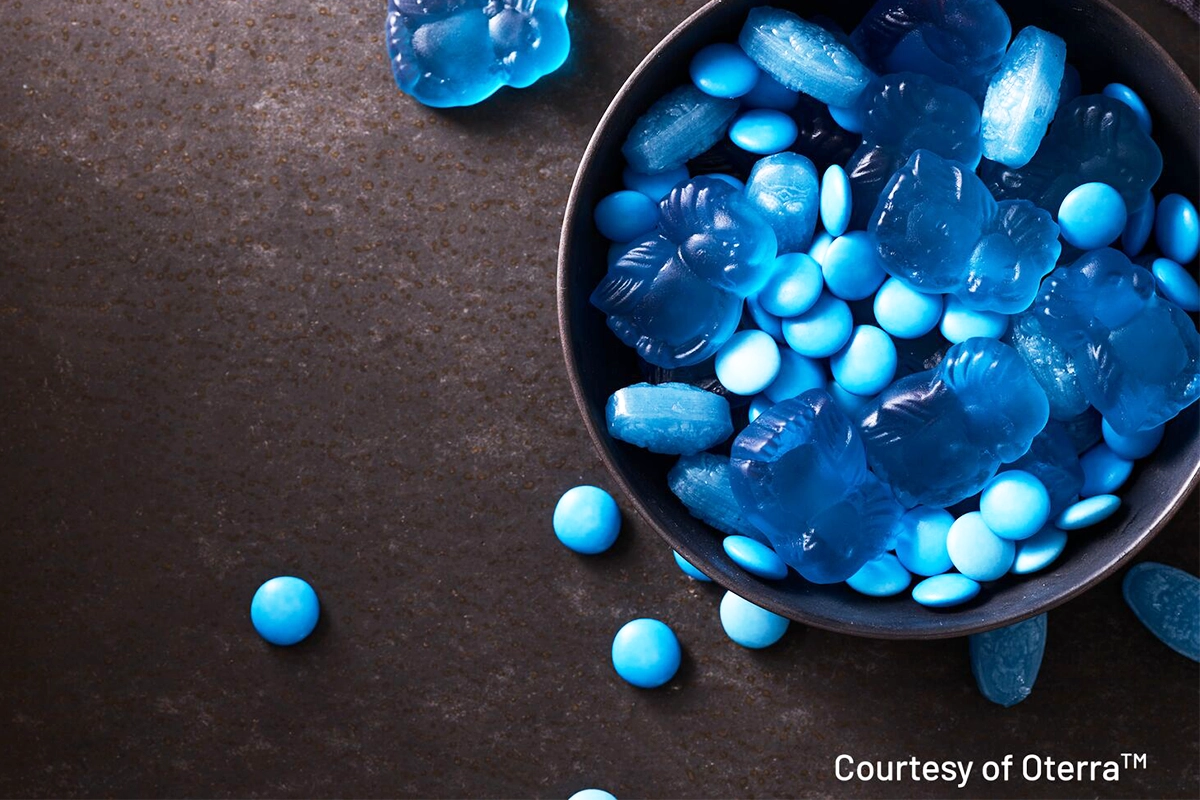 Arctic Blue expands natural blue, green, and purple possibilities for dairy, frozen desserts, and confectionery (Image credit: Oterra).“We’re also seeing important advances in delivery systems. Solutions such as encapsulation help natural colors perform in challenging formulations, while ultra-fine powders enable more vibrant shades and stronger visual impact. The delivery system is just as important as the pigment in creating the right shade in the final product,” Ganivet tells us.
Oterra’s strategy combines crop breeding, advanced cultivation, novel raw materials, improved extraction, biotechnology, and application technology. Partnerships include work with Debut on a Red 40 replacement and Seprify on a titanium dioxide replacement based on wood pulp.
“Some of the most exciting breakthroughs will come from combining multiple technologies rather than relying on any single innovation,” Ganivet says.
Natural colors shift from replacement to added value
The next phase of color innovation will be defined by performance, scalability, and affordability. Suppliers expect larger agricultural volumes, improved yields, more efficient extraction, fermentation, and broader sourcing regions to help narrow the cost gap with synthetic colors, while improving supply security.
Innova’s research suggests consumers increasingly associate naturalness with health and value clear, recognizable ingredients. Bold and distinctive colors can help products appeal to younger, social media-engaged consumers, while naturally derived ingredients can reinforce a brand’s clean label positioning.
As Tomita at dsm-firmenich puts it: “The market is moving beyond the simple distinction between artificial and natural colors. Increasingly, manufacturers will evaluate color solutions across multiple dimensions, including functionality, resilience, sustainability, and regulatory readiness.”
The breakthrough, therefore, is no longer a single new pigment. It is an integrated system that makes natural color vibrant, stable, scalable, globally compliant, and commercially practical — without losing the recognizable ingredient story consumers increasingly expect.