


Food ingredient leaders spotlight sensory science as plant-based formulation’s next frontier

Key takeaways
- Plant-based ingredient innovation moves beyond protein and sustainability claims toward sensory performance and clean label formulation.
- Fermentation-derived solutions, fava bean isolates, and multifunctional fibers drive next-generation meat and dairy alternative development.
- Hybrid meat and dairy applications emerge as key growth categories, with ingredient innovators expanding their portfolios.

Plant-based ingredient innovation is moving beyond protein content and sustainability alone. Ingredient producers and suppliers point to innovative technologies reshaping the meat and dairy alternatives categories, while clean label and nutrition demands continue to drive reformulation.
Food Ingredients First speaks with ADM, Biospringer by Lesaffre, Corbion, and Cosun Ingredients about the maturing category.
According to Marcel van der Vaart, business development manager at Cosun Ingredients, the company’s biggest breakthrough is a multifunctional plant-based ingredient that delivers on texture, nutrition, and sustainability.
“Our sugar beet fiber, Fidesse, enables realistic meat-like texture and juiciness for hybrid and plant-based products, while Tendra fava protein isolate provides high protein content with excellent functionality and neutral taste,” says van der Vaart. “At the same time, Sensus chicory root fiber (inulin) supports sugar and fat reduction while adding prebiotic benefits.”

“Together, these innovations enable hybrid meat and plant-based alternative foods with improved health, taste, nutrition, clean label, and sustainability credentials.”
Bastien Pillon, global food product marketing manager at Biospringer by Lesaffre, says that fermentation-derived taste and nutrition solutions have matured, finally giving plant-based products the sensory quality consumers expect. He explains that the first wave chased protein and sustainability, but neither secures repeat purchases without good taste.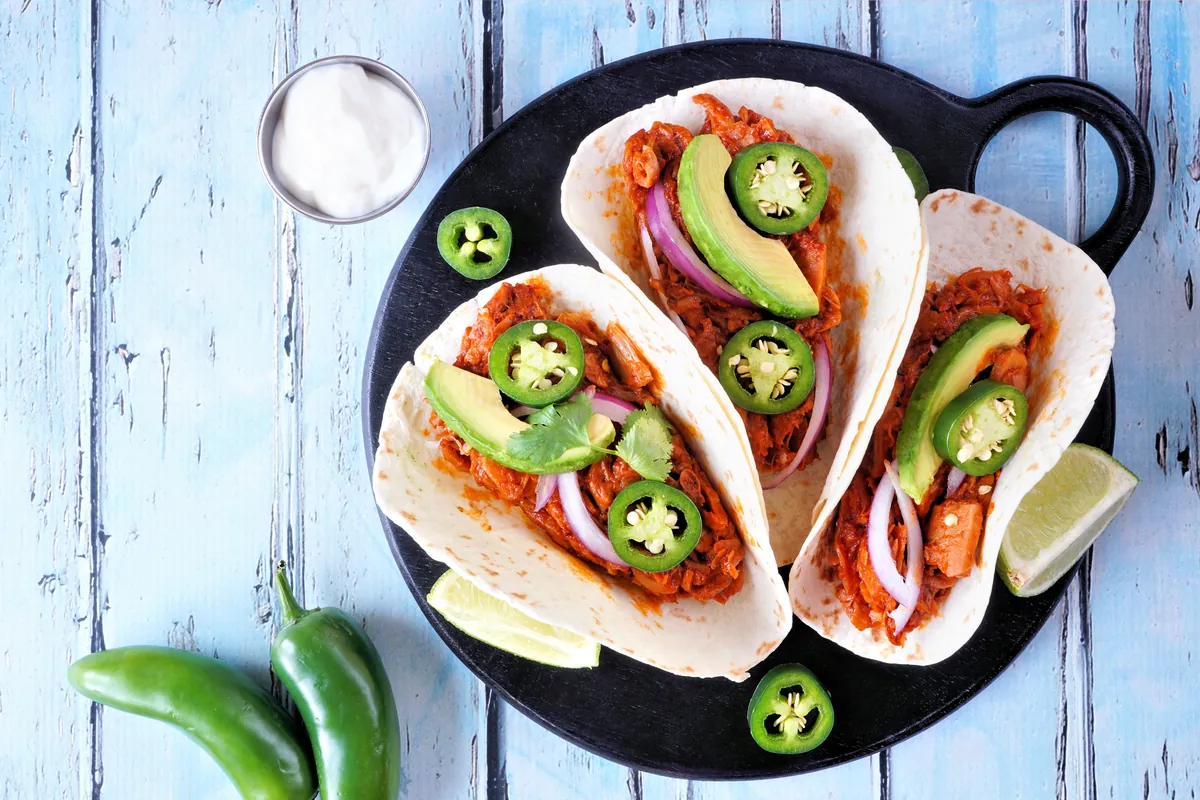 Cosun Ingredients says multifunctional plant-based ingredients deliver texture, nutrition, and sustainability simultaneously.
“We see the category entering a phase where sensory performance defines success,” says Pillon. “That’s what our yeast-based ingredients unlock: not just in meat and dairy analogs, but also in a much wider range of plant-based applications where taste is the real barrier to adoption.”
Plant-based taste, texture and nutrition
Innova Market Insights data suggests that global food and beverage launches featuring plant-based ingredients grew at a 4% CAGR from April 2021 to March 2026.
To meet these growing consumer and customer demands, Biospringer by Lesaffre says no single ingredient can efficiently address the sensory and functional demands of plant protein formulation. Pillon notes that flavor masking, for instance, is not something structural proteins handle well on their own. He also states that this is why formulators typically pair them with a dedicated masking solution.
Moreover, Pillon says the company takes a complete solution approach rather than looking for a single fix. He points to Biospringer by Lesaffre’s Springer Mask range, which is designed to neutralize the “bitter, beany, earthy, and cardboard off-notes” that plant proteins naturally carry. Pillon says these off-notes are a major complaint limiting repeat purchase.
“Our Springer Umami and Maxarome ranges bring back depth, complexity, and umami while our Springer Signature range can deliver the flavor identity, with meaty, grilled, smoked, and cheesy notes,” says Pillon. “For mouthfeel and the richness that plant systems lack without animal fat, Springer Cocoon strengthens the creamy and fatty sensation through a kokumi effect.”
“Finally, Springer Proteissimo lets manufacturers raise protein levels without reintroducing bitterness and off-notes. The point is that taste, texture, and nutrition have to be optimized together as a system. That’s what moves manufacturers beyond single ingredients toward complete food systems.”
Clean label fava bean solutions
Van der Vaart at Cosun Ingredients reveals that the company approaches formulation challenges with Tendra, a fava bean protein isolate that combines exceptional functionality with a neutral taste. Tendra targets key issues in dairy alternatives, replacing milk proteins without gums or stabilizers and enabling clean label plant-based products with strong texture and taste.
“For meat alternatives, it is challenging to create chewiness and overcome dryness,” van der Vaart underscores. “Our sugar beet fiber, Fidesse, can generate both characteristics due to its fibrous structure and high water-holding capacity.”
At the same time, Cosun Ingredients has reported a significant rise in demand for plant-based ingredients in hybrid products, where part of the animal-derived content is replaced with plant-based ingredients. The company says its ingredients are currently being applied across many hybrid meat products already on the market.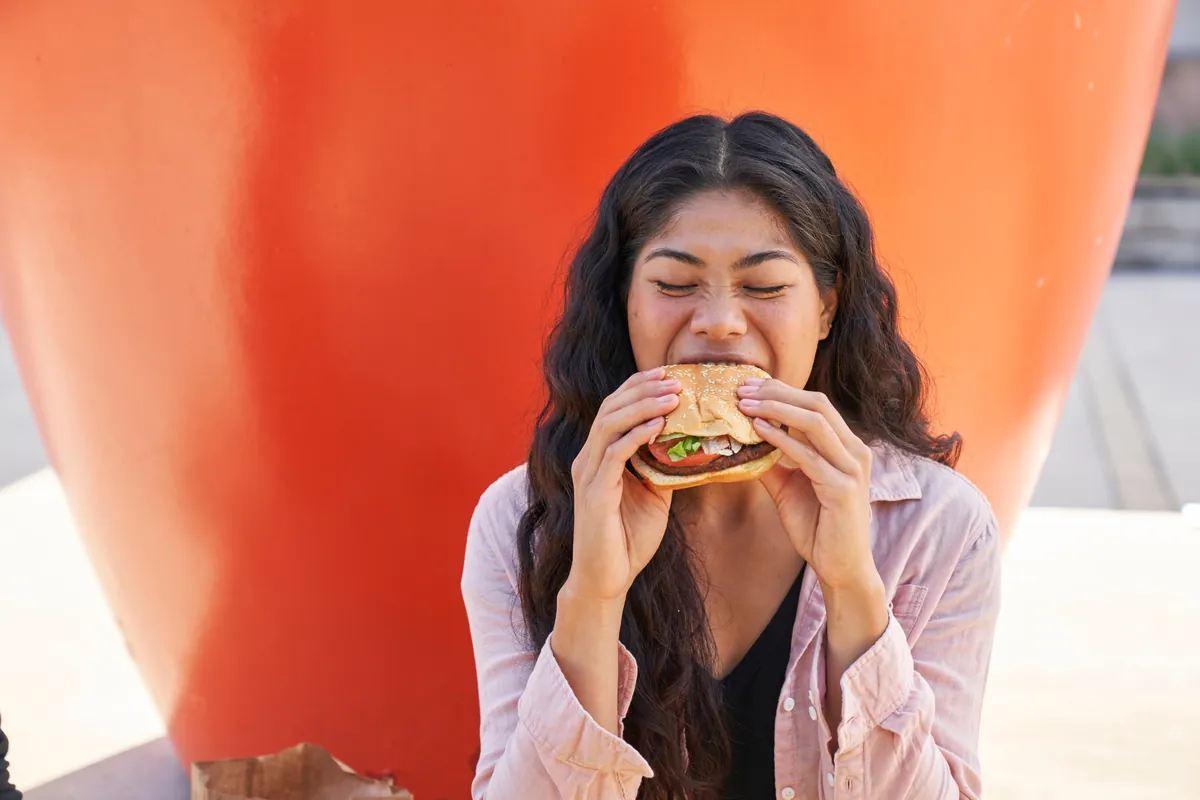 Biospringer by Lesaffre champions sensory performance as the defining success factor for plant-based products.
“This is an important route to increase plant-based ingredient consumption, and we see it spreading across Europe,” van der Vaart explains. “Additionally, meat products that include a Cosun Ingredients plant-based ingredient are better liked in consumer studies due to an improved mouthfeel, while also enabling cost lowering.”
“Besides hybrid meat, we also see opportunities in making cheese hybrids and expect this to be the next product category where hybrids will be introduced.”
Food safety and sodium reduction innovations
Saffiera Karleen, business development manager at Corbion, points to food safety as another opportunity in the plant-based ingredients space. Karleen says the most meaningful progress in the category comes not from a single breakthrough, but from applying Corbion’s preservation science to a new set of formulation challenges.
She adds that this is supported by predictive modeling tools, such as the Corbion Listeria Control Model, and says the challenge is technical. Plant-based protein sources typically carry a higher pH than animal-derived protein, making finished products more vulnerable to microbial outgrowth and pathogens like Listeria monocytogenes.
Corbion addresses this by characterizing microbial behavior in plant-based matrices and applying established hurdle-technology principles.
“This adaptability is what’s enabling real progress,” Karleen explains. “Preservation science built for traditional meat and dairy applications is being recalibrated for plant-based burgers, meat analogs, and dairy alternatives across different markets and regulatory environments, giving manufacturers a faster, evidence-based route to product development.”
“Freshness and food safety remain the formulation challenges with the most significant impact on commercial success in this category. Because plant-based protein products are more susceptible to spoilage and pathogenic risk, a robust preservation system is essential to deliver the desired shelf life without compromising taste or texture.”
She also points to sodium reduction as being tied to the same challenge. The pursuit of convincing savory flavor in plant-based meat analogs often pushes sodium up, and manufacturers now have to bring it back down. Karleen says fermentation-derived natural ingredients support sodium reduction, while sensory panels report equivalent or stronger flavor.
“The same logic extends to dairy alternatives, where sodium reduction strategies need to work alongside the broader preservation system, so that shelf life isn’t compromised as salt content comes down,” she says.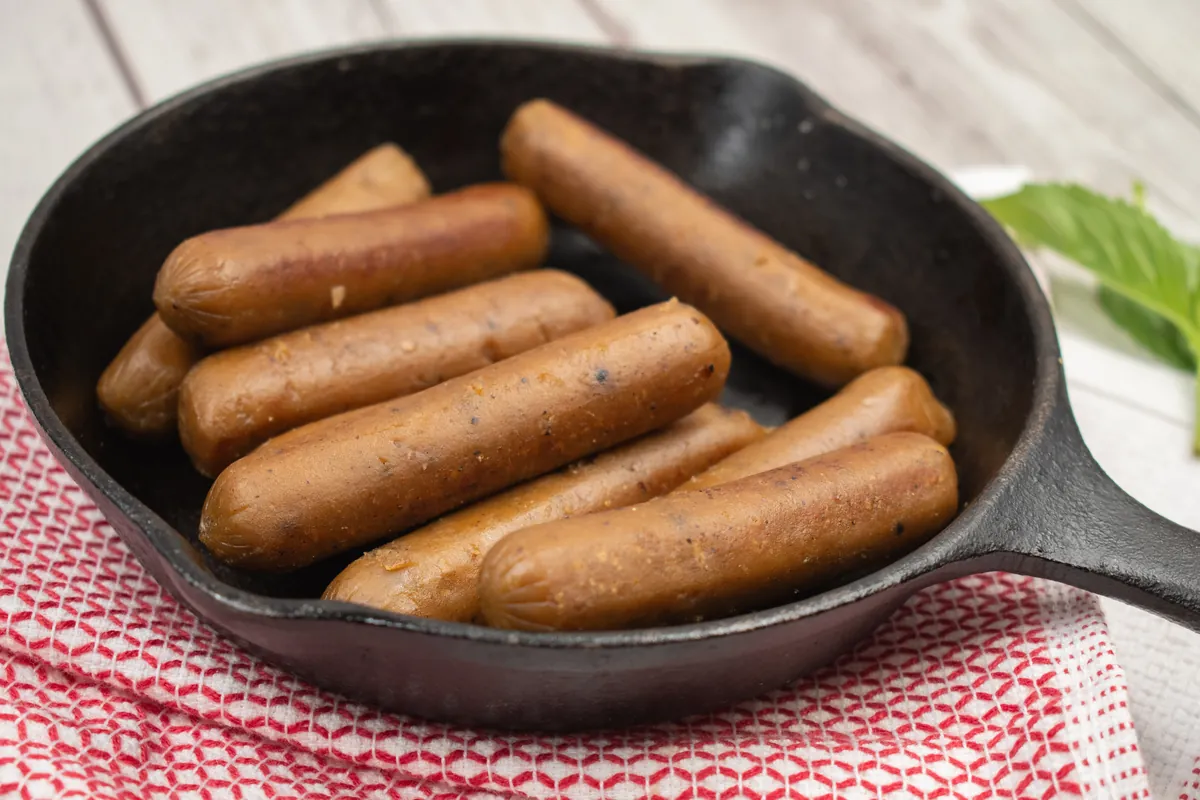 Corbion highlights preservation science recalibration for plant-based burgers, meat analogs, and dairy alternatives.
From plant-based nuggets to yogurt drinks
John Powers, marketing director at ADM, says improvements in agronomy and ingredient science have boosted functionality. This addresses common issues with soy and pea protein performance, emulsification, texture, mouthfeel, and flavor.
He emphasizes that the newest solutions deliver stronger emulsification, improved water-binding for structure and moisture, and cleaner taste profiles with reduced off-notes across hybrid and alternative meat and dairy applications.
Furthermore, Powers says ADM’s expanded soy protein portfolio targets specific applications. Arcon IH offers lower viscosity for texture and juiciness in meat alternatives, Arcon SB supports yield in sausages and ground meat, and Arcon 412 works well with plant-based deli meats and chicken nuggets.
He also notes that the European-sourced Arcon R covers meat alternatives, extrusion, and bakery, while Arcon T textured concentrates provide formulation flexibility.
In dairy alternatives and beverages, Powers says ADM’s new ProFam soy protein isolates target protein and texture demand. ProFam 883 is optimized for protein beverages and powders, while ProFam 894 is designed for Greek-style yogurt alternatives and yogurt drinks.
He says the clean-tasting isolates give formulators tools for high-protein reformulation, particularly in sports nutrition, amid current supply challenges.
“We’re also continuing to expand our pea protein offerings, including our new Pea Flour, which is neutral in color and flavor, while providing fiber and formulation flexibility,” Powers spotlights.
“It’s designed for batters and breadings and supports the full sensory experience of plant-based meat alternatives like breaded chicken nuggets, all with no allergen labeling required.”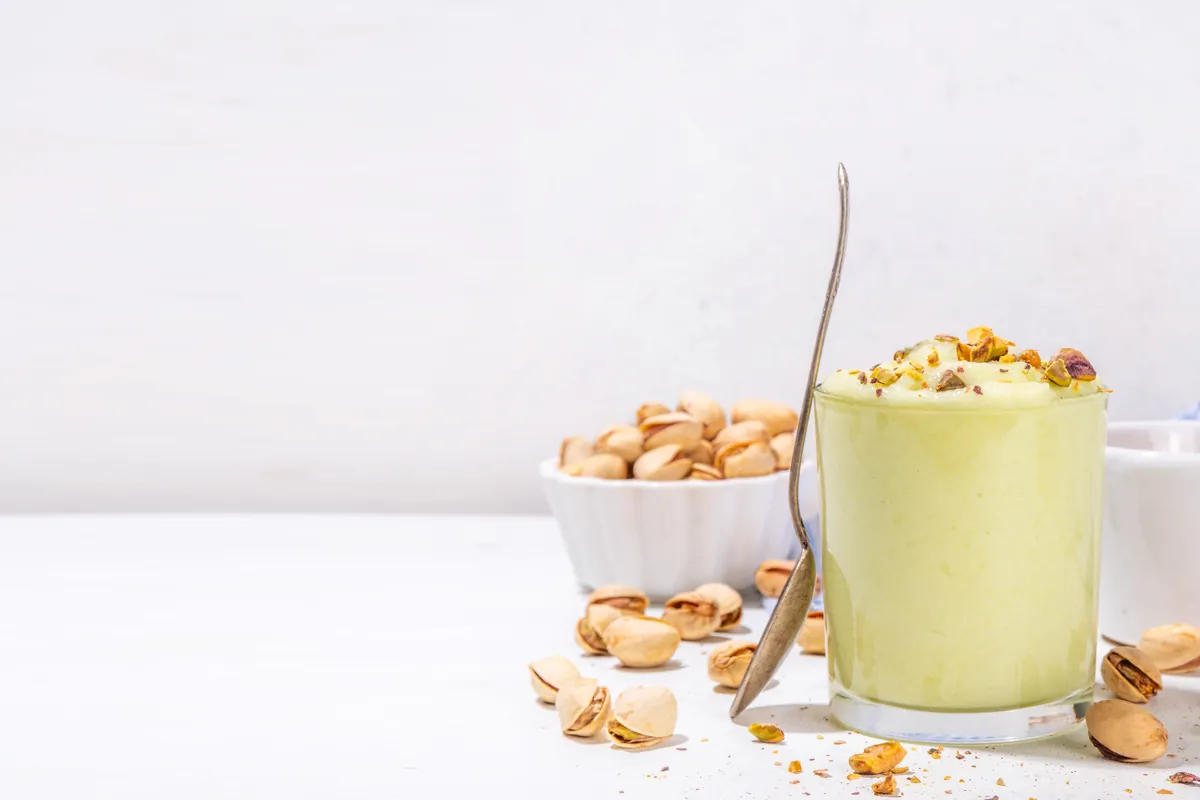 ADM sees hybrid and high-protein applications as major growth opportunities across plant-based categories.
“Overall, the biggest impact is coming from ingredient innovations that deliver multiple benefits at once, including cleaner taste, improved texture and functionality, protein quality and quantity, and formulation efficiency. Thus, allowing manufacturers to create plant-based products that better meet both consumer expectations and manufacturer objectives.”
The next plant-based frontiers
Looking ahead, Cosun Ingredients says it expects the momentum in plant-based ingredients to center on enabling clean label products with minimally processed ingredients that still deliver great-tasting results.
“This is exactly the strategy that we are already applying today, and the focus will be on expanding our portfolio with this approach,” says Van der Vaart. “The challenge is always in combining very gentle ingredient extraction with generating ingredients that are highly functional while removing undesired characteristics like off flavors.”
Biospringer by Lesaffre says it expects consumer demand for specific functional and sensory benefits to drive the category, noting that taste and texture, alongside price, remain the main purchase factors. The company cites data showing 44% of global consumers want improved flavor in plant-based products, while 60% expect flavors to improve.
“These consumer insights tell us the biggest unlock isn’t more protein or a sustainability claim; it’s sensory science,” Pillon adds. “We expect R&D over the next few years to keep concentrating on flavor masking, umami, and savory depth, and texture and mouthfeel replication, with regulatory and supply chain resilience acting as important but secondary forces.”
Corbion identifies consumer scrutiny around processing levels, ingredient list length, and brand credibility as the primary drivers in the coming years. Karleen says the company’s recent insights show novelty and broad sustainability demands are giving way to sharper purchase criteria, as consumers read labels more carefully and demand increased transparency in the plant-based space.
“For ingredient R&D, this means the pressure is not simply to deliver functional performance, but to deliver it in ways that can withstand consumer and regulatory scrutiny alike, through science-backed, fermentation-derived solutions that are both effective and explainable,” Karleen explains.
Lastly, Powers at ADM says he also sees hybrid and high-protein applications across mainstream food categories as a major growth opportunity for plant-based ingredients. He adds that blends combining soy or pea protein with mushrooms, vegetables, beans, and pulses are expanding possibilities across meat and dairy alternatives, snacks, and bakery.
“In fact, there is an ongoing shift toward functional indulgence with 76% of consumers expressing interest in baked goods with higher protein content,” Powers concludes. “Protein continues to be a key driver in snack selection as well, reinforcing its role in everyday eating occasions.”



Upcoming webinars

2027 Food Safety Risks for Quality & Compliance Leaders
FoodChain ID

Formulating for function: Developing benefit-led beverages with natural colours, botanicals, and flavours
Givaudan Sense Colour
Let's reveal the grain potential: Innovate
Meurens Natural