



IFT FIRST 2026 preview: Multifunctional ingredient systems reshape health-driven F&B


Key takeaways
- Functional nutrition moves beyond single “hero” ingredients, with suppliers prioritizing integrated systems that combine nutrient density, convenience, and sensory appeal.
- GLP-1 companion nutrition, clear protein beverages, and clean label sweetness emerge as key commercial opportunities, as brands respond to changing eating habits, protein demand, and sugar reduction pressures.
- Taste, scalability, and supply reliability remain decisive, with ingredients needing to solve multiple formulation challenges to move from trend to commercial reality.

As IFT FIRST 2026 approaches, ingredient suppliers say F&B innovation is moving from single-claim functionality toward more complete formulation systems that can deliver nutrient density, satiety, digestive comfort, convenience, and sensory appeal in one package.
The shift is being accelerated by several overlapping consumer and industry forces: the rapid rise of GLP-1 medications, sustained demand for protein, interest in metabolic and microbiome health, and mounting pressure to reduce sugar without eroding taste.
For formulators, the next phase of functional nutrition will not be defined by novelty alone. Suppliers say the ingredients that move from “interesting” to commercially important will be those that solve multiple problems at once.
Food Ingredients First will be reporting live from IFT FIRST 2026 in Chicago, US (Jul 12–15).

GLP-1 nutrition: A commercial imperative
Udi Alroy, CEO and co-founder of CarobWay, expects GLP-1 companion nutrition to rapidly evolve from a trending talking point into a major commercial imperative over the next 12 to 18 months.
“The skyrocketing adoption of GLP-1 therapies is fundamentally shifting how consumers eat,” Alroy tells Food Ingredients First. “Because these consumers are eating significantly less, every bite they take must be optimized for nutrient density, satiety, and digestive comfort.”
The trend is also broadening into metabolic health, microbiome health, and longevity. Alroy says consumers are looking beyond short-term solutions and seeking ingredients that can support healthy blood sugar levels, appetite management, gut health, and overall well-being.
“Brands are prioritizing clinically validated ingredients that can deliver multiple health benefits through a single solution,” he says.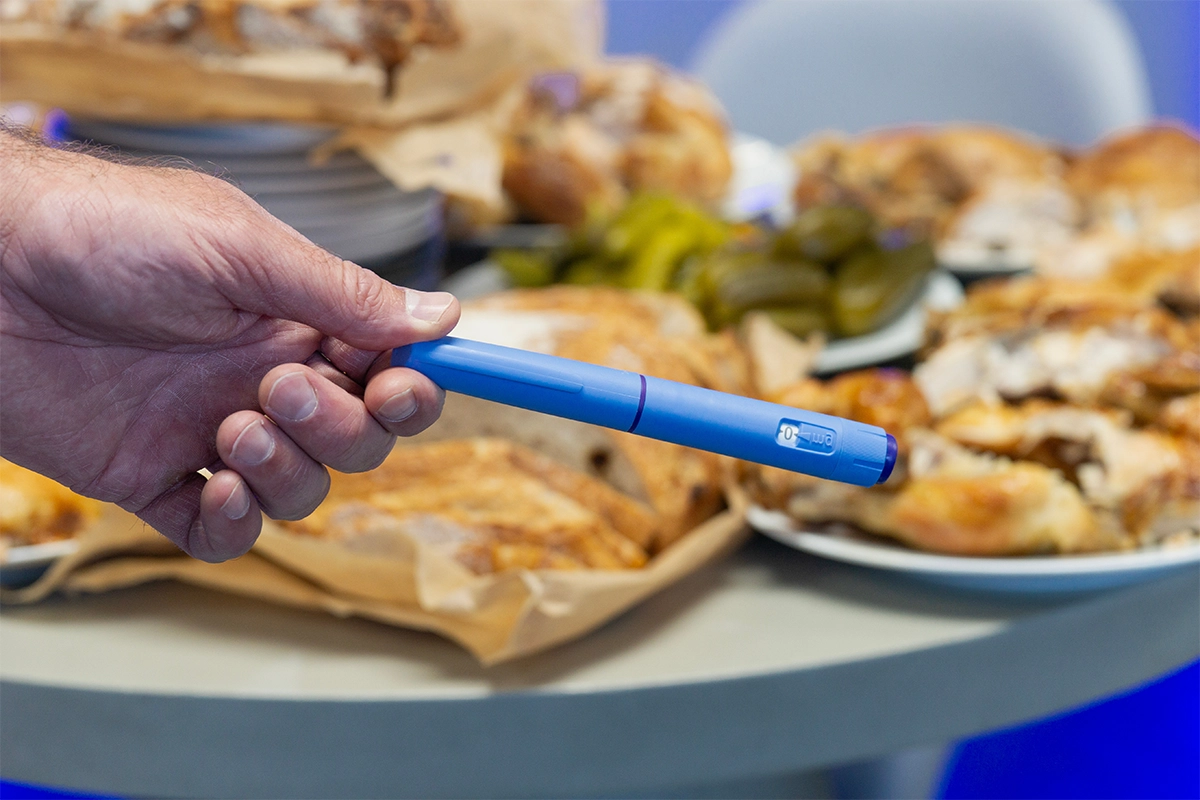 GLP-1 nutrition pushes formulators to prioritize nutrient density, satiety, and digestive comfort.
For CarobWay, this is helping bring healthspan into the formulation brief. Rather than focusing only on lifespan, consumers are increasingly interested in maintaining health through metabolic wellness, digestive support, and healthy aging.
The company points to CarobWell Biome, a prebiotic fiber positioned to nourish the gut microbiota and support satiety without bloating. The ingredient fits the wider shift toward multifunctional solutions that address several consumer needs simultaneously, rather than relying on one isolated benefit.
However, Alroy stresses that science alone will not be enough. Taste, formulation flexibility, cost-effectiveness, and secure supply are now “fundamental requirements” rather than competitive advantages.
“Consumers are also becoming more selective,” he says. “They want products that are safe, transparent and backed by science, and they increasingly expect clean label ingredients that align with their health and sustainability values.”
CarobWay also sees supply chain reliability becoming more important as climate volatility puts pressure on raw materials. The company says its vertically integrated, farm-forward approach is designed to offer year-round reliability, with carob positioned as a drought-resilient crop that can thrive on non-arable terrain with minimal water and virtually no chemical fertilizers.
“Ultimately, concepts that scale will be those that bridge the gap between human metabolic health and planetary resilience, offering standardized, clean label functionality that formulators can rely on year-round,” Alroy says.
Protein drinks enter a clearer phase
Protein remains one of the strongest commercial opportunities. However, Prinova says the category is evolving, as sports nutrition and functional beverages move toward cleaner, lighter, and more refreshing formats.
“Protein remains a megatrend,” says Dan Force, VP of innovative products and customer category management at Prinova. He points to a growing demand for clean label, plant-based nutrition that supports active lifestyles.
Dairy alternatives are also gaining traction, Force tells us, with demand focusing on “neutral taste, smooth texture, high digestibility, and vegan- and allergen-friendly profile.” The broader appeal is tied to satiety, recovery, digestion, lactose-free formulations, and reduced-, low-, or no-sugar options.
One of the most promising developments, Prinova says, is the rise of clear protein beverages.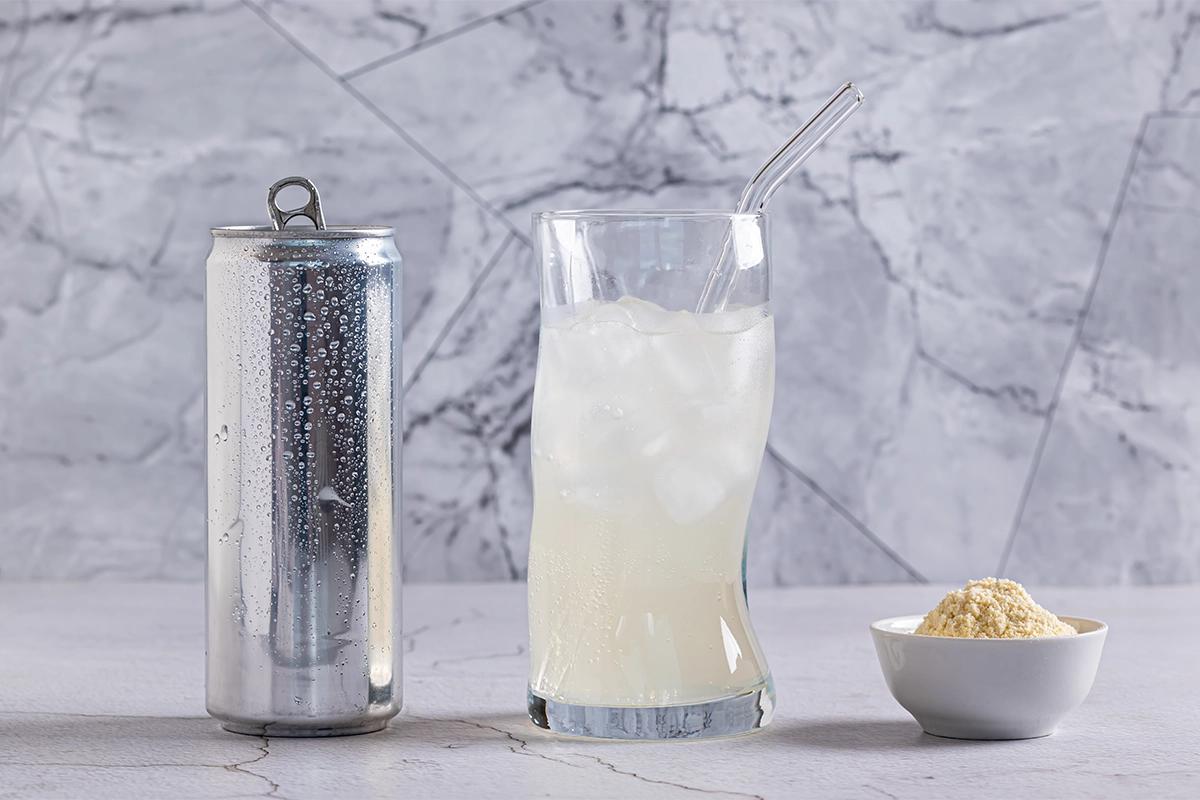 Clear protein beverages open new opportunities in sports nutrition and functional drinks.
“The category has historically been constrained by taste, clarity, and solubility challenges, especially with plant-based proteins,” Force explains. “However, recent advancements in ingredient technology have made clear pea protein a viable and compelling solution for both ready-to-drink and ready-to-mix applications.”
That means brands can now deliver high-quality, clear pea protein in lighter formats aligned with consumer expectations for refreshment and functionality.
Force says the barriers holding back wider adoption of plant-based protein still include taste, price, and the perception of overprocessing. Clear pea protein, however, offers a cleaner taste profile at lower dosages of 15 grams or less, reduced foaming, and favorable cost-in-use as a sustainable, functional option.
At IFT FIRST, Prinova will demonstrate concept formulations showing how clear pea protein can be incorporated into different beverage platforms, with attendees able to sample a clear, 10-gram pea protein beverage.
Systems replace “hero” ingredients
Balchem sees the strongest momentum in ingredient solutions that allow brands to deliver better-for-you products without sacrificing taste or convenience.
“Consumers increasingly expect foods and beverages to deliver benefits, such as higher protein, added fiber, hydration, and targeted nutritional support, while still providing the sensory experience they enjoy,” says Andrew Hart, director of strategic marketing and business development at Balchem.
Rather than relying on single “hero” ingredients, Hart says brands are increasingly looking for integrated solutions that simplify formulation while delivering multiple benefits.
“Our portfolio includes customizable beverage systems, advanced microencapsulated ingredients, and functional powders designed to meet growing demand for products that support a healthy and balanced lifestyle, without compromising taste,” Hart explains.
That systems-based approach reflects a broader commercial reality. Strong science may generate interest, but repeat purchase still depends on products that taste good and fit seamlessly into consumers’ lives. At the same time, manufacturers need solutions that are easy to formulate with, scale reliably, and perform consistently through processing and shelf life.
Balchem points to its INjoy beverage systems as an example of this direction, integrating sweetness, mouthfeel, stabilization, flavor, and nutrition into one solution to simplify beverage development. The company also highlights MeatShure, which is designed to help manufacturers improve production efficiency without sacrificing product quality.
“The concepts that succeed will be those that help brands solve multiple formulation challenges simultaneously,” Hart says, adding that this can support faster development and commercialization of consumer-relevant products. Integrated ingredient systems help brands balance taste, nutrition, clean label, and scale.
Sugar reduction faces tougher taste tests
Sugar reduction remains a central opportunity, but the commercial requirements are becoming more demanding. HealthTech Bio Actives (HTBA) identifies sugar reduction as “the one to watch,” pointing to regulatory pressures, such as sugar taxes, front-of-pack labeling mandates, and WHO targets on free sugar intake.
At the same time, the rise of GLP-1 medications is changing the consumer landscape for taste and satisfaction.
“GLP-1 users frequently report heightened sensitivity to artificial sweeteners, as they can sometimes result in bitterness and lingering aftertastes,” says Emily Wagener, global product manager for taste modulation at HTBA. “All of this means tolerance for compromise on taste is narrowing further.”
Clean label sweetness is also gaining momentum, Wagener says, as consumer acceptance of synthetic-sounding ingredient names declines.
“Brands that can address sugar reduction and clean label credentials within a single formulation, rather than treating them as competing priorities, are the ones we see moving from concept to commercial briefing most quickly,” Wagener tells Food Ingredients First.
HTBA will launch Citrose at IFT FIRST, a citrus-derived sweetener designed to address sugar reduction, sensory performance, and clean label requirements in one ingredient. Wagener says Citrose is intended to help product developers, R&D teams, and procurement specialists tackle the ongoing sugar reduction challenge with a label-friendly solution.
For HTBA, taste is still the baseline.
“If a product does not perform sensorially, no amount of science or sustainability storytelling rescues it,” Wagener says. “But taste alone does not close a commercial deal anymore.”
The ingredients that gain traction, she adds, will need credible science, regulatory resilience, consumer-friendly label declarations, reliable supply, and verified sustainability credentials.
As IFT FIRST 2026 opens, health-driven F&B is no longer just a matter of adding protein, fiber, or a health claim. The bigger opportunity lies in making every serving work harder, while still delivering the taste, convenience, and trust consumers expect.



Upcoming webinars

Oat-Standing Ingredients - Showcasing Irish Grain Through Innovation
Tirlán Ingredients

2027 Food Safety Risks for Quality & Compliance Leaders
FoodChain ID

Formulating for function: Developing benefit-led beverages with natural colours, botanicals, and flavours
Givaudan Sense Colour