



RaboResearch warns energy crisis will reignite European food inflation


Key takeaways
- Food inflation in Europe is set to return from late 2026 and intensify in 2027, driven by sustained high energy costs.
- Rising input costs for fuel, packaging, and transport will force price increases across the food value chain.
- Consumers, especially lower-income households, will face renewed pressure on already stretched budgets.

European food prices are set to rise again, with inflation expected to reemerge in late 2026 and intensify throughout 2027, driven by persistently high energy costs linked to prolonged disruption in the Strait of Hormuz, according to a new report from RaboResearch.
The analysis reveals that the F&B industry will be forced to pass on higher costs to consumers, who are already showing signs of financial strain.
The global energy market continues to feel the effects of the extended closure of the Strait of Hormuz, a critical chokepoint for oil and gas supplies. As a result, energy prices are expected to remain elevated well into 2028, creating sustained cost pressures across the food value chain.
Earlier this month, the FAO warned that the Strait of Hormuz crisis is creating a fertilizer and farm production shock that is raising costs and affecting planting decisions globally.
The previous month, the organization also warned that disruption in the Strait of Hormuz was evolving from a shipping issue into a systemic global agri-food crisis with potential food price shocks within 6–12 months.
Cost pressures ripple through food value chain
The food industry operates on relatively narrow margins, leaving little room to absorb the rising cost burden. Transport costs, particularly diesel, have already increased significantly, while packaging materials, such as plastics, aluminum, and glass, are also becoming more expensive due to higher energy inputs.
As cost pressures mount, food manufacturers will face difficult decisions in their negotiations with retailers and foodservice operators. The choice is between passing on incremental price increases now or delaying adjustments and risking larger hikes later. This dynamic is expected to define pricing discussions across the sector in the run-up to 2027.
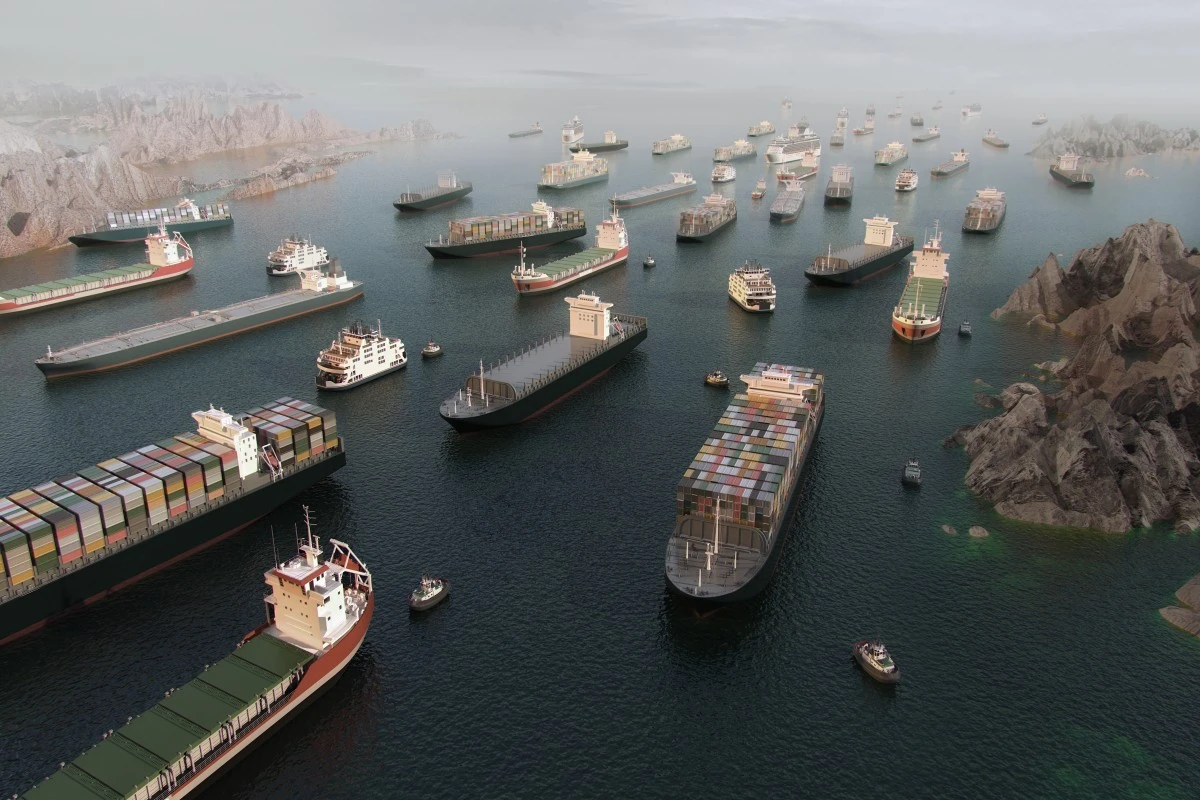 The prolonged closure of the Strait of Hormuz is expected to keep energy prices elevated through 2028, increasing costs across the food value chain.
Higher costs set to reach consumers
Maria Castroviejo, senior analyst — Consumer Foods at RaboResearch, tells Food Ingredients First that a prolonged period of higher energy prices means that these increases will ultimately end up in the costs of materials.
This could either be directly, or when forward contracts need to be renewed at substantially higher prices, as well as indirectly via the supply chain in the form of higher costs for fertilizers, packaging, diesel, processing, transportation, or agricultural raw materials.
“It takes quite some time for rising energy/commodity prices to make their way through to final products. This is because of inventories, hedging, and contracts in place along the value chain. But also due to the timing of negotiations between retailers and suppliers.”
“Thus, although energy prices started to increase in March (and hedging for energy prices is very common among the large entities for which it is a relevant cost), this will only be transferred to consumers with the following negotiation round,” she tells us.
Energy markets remain on edge
Although the Strait of Hormuz has partially reopened under a fragile US-Iran ceasefire, uncertainty remains over whether the move will be enough to ease pressure on energy markets. Castroviejo says the key issue is where oil and gas prices settle, rather than the reopening itself.
“If with the reopening, energy prices return rapidly to the pre-war level, then there will be a very limited inflationary impact. But if despite the reopening, supply disruptions remain an issue and prices bounce back, inflation will be there,” she says.
“It’s hard to tell which parts of the food value chain are likely to feel the pressure first because energy is embedded everywhere, but plastic packaging is one of the most exposed products, just to mention one.”
“Current profitability levels in food retail and foodservice also make it unlikely that they will be able to cushion (all) cost inflation. Consumers are therefore likely to face another round of food price increases.”
European consumers are entering this inflationary period under increasing financial strain. Higher fuel and energy costs have eroded disposable incomes, while concerns over inflation, unemployment, and household finances have weakened consumer confidence.
As a result, households are becoming more cautious with spending and more price-sensitive, even when buying groceries.
“Households with the lowest income are the most vulnerable. Proportionally, they allocate a larger part of their income to food. And they have less room to maneuver,” Castroviejo concludes.



Upcoming webinars

Oat-Standing Ingredients - Showcasing Irish Grain Through Innovation
Tirlán Ingredients

2027 Food Safety Risks for Quality & Compliance Leaders
FoodChain ID

Formulating for function: Developing benefit-led beverages with natural colours, botanicals, and flavours
Givaudan Sense Colour