



When appetite returns: Designing foods for the post-GLP-1 consumer


Key takeaways
- GLP-1s shift food innovation from simple calorie reduction toward helping people get enough nutrition (especially protein and fiber) while eating less.
- A growing concern is what happens after people stop using GLP-1s, when appetite and hunger cues return and some may struggle again with portion control and “rebound eating.”
- The issue is driving interest in “structured satisfaction” — foods designed to deliver fullness, enjoyment, and stability together, rather than just focusing on restriction or maximum taste.

As GLP-1 adoption has accelerated, food manufacturers have increasingly focused on helping consumers maximize nutrition from smaller eating occasions. The result has been a wave of high-protein snacks, fiber-enriched products, fortified beverages, and portion-conscious meal solutions designed to address concerns around muscle preservation, nutrient intake, and satiety.
Big players from Nestlé to General Mills have positioned high-protein and high-fiber food products toward GLP-1 users looking to maximize nutrition from the food they do eat while taking medications such as Ozempic, Mounjaro, and Wegovy.
But while much of the industry’s attention has focused on supporting consumers during treatment, a new question is beginning to emerge: what happens when GLP-1 users stop taking the medication?
According to Greg Holgate, business development manager at ACI Group, the next frontier in food innovation may lie not in helping consumers eat less, but in helping them navigate the return of appetite. As millions of users eventually come off GLP-1 therapies, manufacturers may need to think beyond nutrient density and consider how products support appetite regulation, eating confidence, and long-term dietary habits.
Holgate argues that the next generation of products may need to deliver “satisfaction without hyper-stimulation” — combining pleasure, satiety, nutrient density, and slower energy release in ways that support appetite stability rather than encourage overconsumption.
A shift in eating behavior
Much of the discussion around GLP-1 medications has focused on reduced appetite, lower food intake, and shrinking portion sizes. But Holgate argues the more significant shift may be behavioral rather than purely caloric.
These therapies, he notes, do more than reduce hunger. They can disrupt established eating routines, weaken reward-driven responses to food, and alter internal cues that typically guide portion size and meal timing. Foods once considered highly desirable may become less appealing, while overall eating becomes more functional and less emotionally driven.
This creates a new challenge for food manufacturers: designing products not only for reduced intake, but for a fundamentally altered relationship with eating.
Rebound eating
Balancing physical hunger and emotional appetite can be one of the most crucial aspects to manage when a person stops taking weight-loss medication.
Once medication ceases, food noise and appetite will return. It can be difficult for people to trust their appetite again and many will struggle to judge appropriate portions. As appetite returns following GLP-1 use, consumers may face challenges in managing hunger, food cravings, and portion sizes as they readjust to normal eating patterns.
“Consumers may experience hunger cues that feel unfamiliar, find that their satiety thresholds have shifted, and develop anxiety about overeating and regaining weight,” Holgate tells Food Ingredients First.
“This creates significant risk for rebound overeating, binge episodes, blood sugar instability, and emotional eating cycles once treatment stops or dosage changes. Managing when to eat, how much to eat, and how to interpret hunger cues may become one of the next major frontiers in food science and product innovation.”
“Post-GLP-1 consumers are not necessarily looking for restrictions in the longer term. What they are seeking is reassurance that the food they choose to eat can still feel indulgent without triggering loss of control. In essence, they are looking for eating to feel manageable again.”
From bliss point to balance
For the first time, millions of consumers are experiencing life with dramatically reduced food reward signals. When those signals return, consumers may become more aware of how aggressively some foods are engineered to drive consumption.
“This is particularly important because many modern processed foods are optimized for maximum palatability and repeat consumption behavior. Highly refined combinations of sugar, fat, salt, fast-digesting carbohydrates, and flavor enhancers can overstimulate reward pathways, encourage rapid eating, and weaken natural satiety responses,” Holgate says.
“Texture also plays a role. Soft, low-chew foods that dissolve quickly or deliver intense flavor release can reduce sensory fatigue and make it easier to overconsume before fullness signals register.”
“Many ultra-processed products are formulated around what food scientists call the ‘bliss point’ — the precise balance of sugar, fat, salt, and flavor intensity that maximizes pleasure and encourages continued eating behavior. Large portion formats, hyper-palatable coatings, layered crunch textures, rapid melt characteristics, and high-glycaemic carbohydrate systems can all contribute to reduced portion awareness and rebound hunger shortly after eating.”
Holgate argues that the transition off GLP-1s could expose a new challenge for manufacturers. As appetite and reward responses recalibrate, foods engineered around maximum palatability may become harder for consumers to self-regulate, particularly for those rebuilding confidence in hunger cues and portion control.
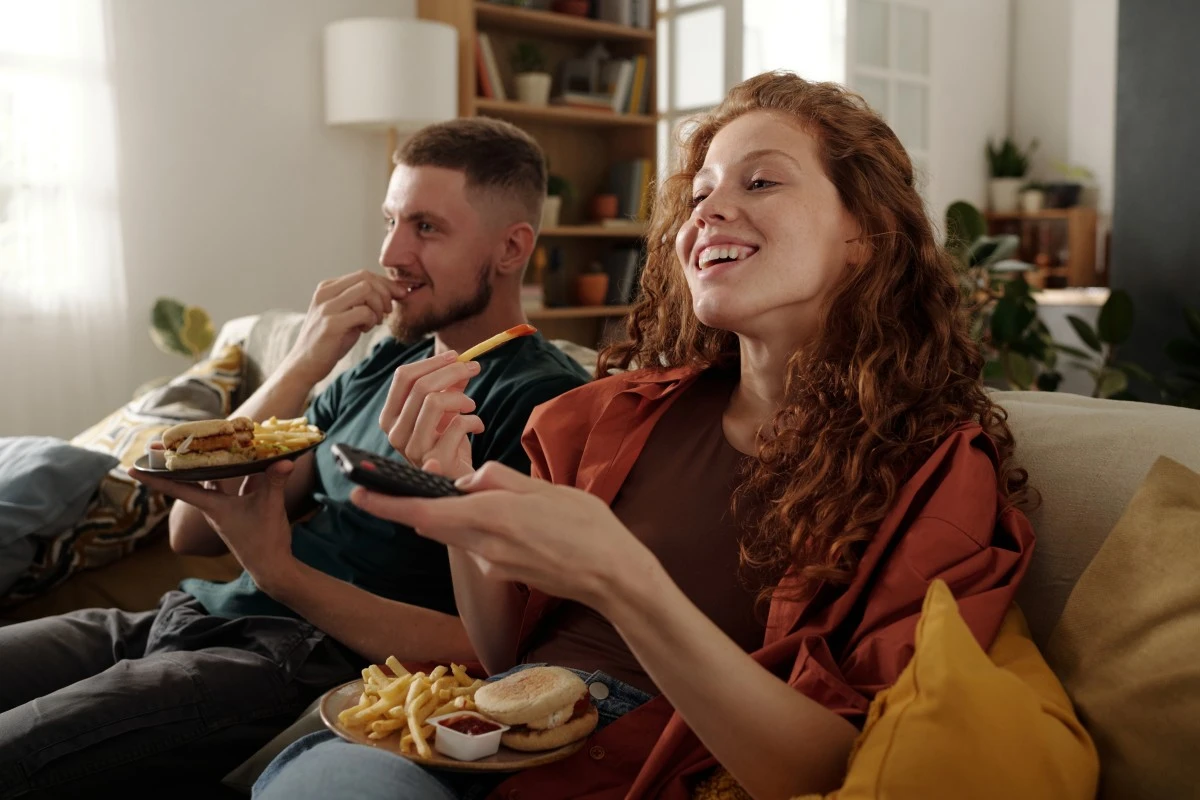 Many ultra-processed foods are designed to hit the “bliss point” — an ideal mix of sugar, fat, salt, and flavor that boosts enjoyment and can encourage overeating.
Experts note that many ultra-processed foods are designed around the "bliss point"—a carefully calibrated balance of sugar, fat, salt, and flavor intended to maximize enjoyment and encourage continued consumption.
Managing appetite dysregulation
These concerns, Holgate says, are now at the core of what the F&B industry should be considering as GLP-1 adoption continues to reshape food demand and consumer expectations.
In particular, manufacturers have an opportunity to rethink indulgence itself.
“The next generation of products may need to deliver satisfaction without hyper-stimulation. That means combining pleasure, satiety, nutrient density, slower energy release, and sensory completeness in ways that support appetite stability rather than override it,” he says.
“This brings us to the idea of ‘structured satisfaction’ — the ability of a food product to deliver fullness, pleasure, and sensory satisfaction in portions that are manageable without encouraging overconsumption. Importantly, this goes beyond simple satiety. It combines physiological response in the gut with the behavioral and emotional experience of eating.”
A new formulation challenge
In practice, structured satisfaction represents a shift away from designing products solely around indulgence or satiety. Instead, it combines physiological fullness, sensory enjoyment, and psychological satisfaction, aiming to leave consumers feeling both nourished and finished rather than prompting continued eating.
“A product might meet all the right nutritional targets on paper, but if it leaves consumers psychologically unsatisfied or prone to rebound hunger, it fails the real-world test of sustainable eating behavior.”
“The opportunity is no longer simply about helping consumers eat less, but about helping them rebuild a sustainable relationship with eating itself,” Holgate concludes.



Upcoming webinars

Oat-Standing Ingredients - Showcasing Irish Grain Through Innovation
Tirlán Ingredients

2027 Food Safety Risks for Quality & Compliance Leaders
FoodChain ID

Formulating for function: Developing benefit-led beverages with natural colours, botanicals, and flavours
Givaudan Sense Colour