


Formulating for GLP-1: Sensory solutions, compact nutrition & food fortification

Key takeaways
- GLP-1 adoption could drop total food demand by 3.5% by 2030, forcing a shift toward nutrient density.
- Shrinking portions create nutrient gaps, making high-protein, fiber-rich, and fortified compact formats paramount.
- Sensory quality, such as mouthfeel, flavor, and texture, is taking on new strategic importance.

The rise of GLP-1 medications and the transition to oral formats are doing more than shrinking waistlines — they could be set to dramatically impact the global food industry. With projections suggesting a structural drop in total food demand, manufacturers are facing a pivotal “once-in-a-generation” shift away from traditional volume-based growth toward a model of high-efficiency, “compact nourishment.”
According to recent analysis from ING, while the immediate impact of GLP-1 medications on total market calories is gradual, the long-term structural reset is undeniable. The report suggests that as adoption increases, the industry will face a projected 2.5–3.5% drop in total food demand by 2030.
For manufacturers, this could represent a move away from traditional volume-based growth models in favor of “nutrient-dense” innovation strategies.

Food Ingredients First sits down with experts from Beneo, Carbery, Cosun Sensus, FrieslandCampina Ingredients, and Tate & Lyle to discuss how brands can meet the increasing demand for nutrient-dense ingredients that can help GLP-1 users across all phases of medication usage.
Rebuilding taste and texture
As the industry pivots toward nutrient efficiency to meet the needs of GLP-1 agonist users, the sensory experience is also transforming. Several exhibitors at this year’s IFE Manufacturing 2026 trade show featured GLP-1-focused formulations. At the same time, a recent report from the UK’s Agriculture and Horticulture Development Board highlights a shift toward clean foods with higher nutrient profiles.
Tate & Lyle positions pectin as a multifunctional ingredient that can increase positive mouthfeel in products. FrieslandCampina Ingredients states that companies must focus on solutions that address all stages of consumers’ GLP-1 journeys.
“Pectin is a naturally occurring soluble fiber found in fruits and has been used for decades for its gelling and stabilization properties in foods and beverages, such as fruit drinks, yogurts, and jams,” Emma Cahill, Tate & Lyle’s global marketing director for sweeteners, fibers, and GLP-1, tells us. “Pectin is a great enabler for building back mouthfeel and pleasure cues in sugar-reduced applications and as a result connects to permissible indulgence.”
Meanwhile, Carbery points out that, since GLP-1 users typically eat less and in smaller portions, high-density nutrition solutions like whey protein, fiber combinations, and micro-fortification blends are well-positioned, as are satiety-enhancing ingredients for those coming off the medication. The company also cites the growth of liquid nutrition.
That means customers must formulate with ingredients that are highly soluble and incorporate ingredients like heat-stable proteins and flavor-masking solutions.
“Our Carbelac range, with its higher fat content and naturally creamy mouthfeel, also supports the texture and sensory experience that GLP-1 consumers prefer,” explains Fiona Rawlinson, Carbery’s head of marketing-nutrition. “The biggest category risks sit with high-sugar, high-calorie products in large formats, which are becoming less relevant for this consumer group.”
“Working with our flavor partner, Synergy, we’ve developed applications for our customers that showcase nutrient-dense, clean label concepts with light, easy-to-consume flavor profiles,” she adds. “Compact nourishment is increasingly important, and whey — being a complete protein — is well suited to this shift.”
“Products without a clear nutritional purpose are also likely to lose traction as the market moves toward efficiency and functional clarity.” Tate & Lyle spotlights its polydextrose and citrus-derived pectin fiber solutions.
Filling nutrient gaps
FrieslandCampina Ingredients notes that the rise of shrinking portion sizes creates a “nutrient gap” that formulators must seek to fill. GLP-1 users often miss essential daily vitamins, and F&B trends continue to spotlight the shift toward food and ingredient fortification.
The company says this increases the need and the demand for multifunctional solutions that deliver nutrient density, convenience, and holistic well-being for GLP-1 users, whether they are preparing to start the medication, already taking it, or are transitioning off.
Evelien Bikker, the marketing manager for performance and active nutrition at FrieslandCampina Ingredients, says brands can leverage flexible casein, whey, and fermented tools to meet these evolving needs.
“The rise of GLP-1s is turning everyday eating on its head — and for brands, this is a once-in-a-generation chance to meet consumers where their habits are changing fastest,” Bikker reveals. “The key to success is understanding that there is no ‘one-size-fits-all’ approach to this category.”
“The needs of someone at the start of their GLP-1 journey versus someone who is micro-dosing in the long-term are very different — and lifecycle strategies need to adapt accordingly. The brands that win will be the ones that speak to real, everyday concerns — whether that’s helping fill nutrient gaps from eating less or simply making the GLP-1 experience easier and more comfortable.”
Karel Thurman, the portfolio director at Beneo, emphasizes that the GLP-1 trend is amplifying longstanding formulation priorities. This means future formulations for fiber enrichment, protein fortification, sugar reduction, and metabolic health.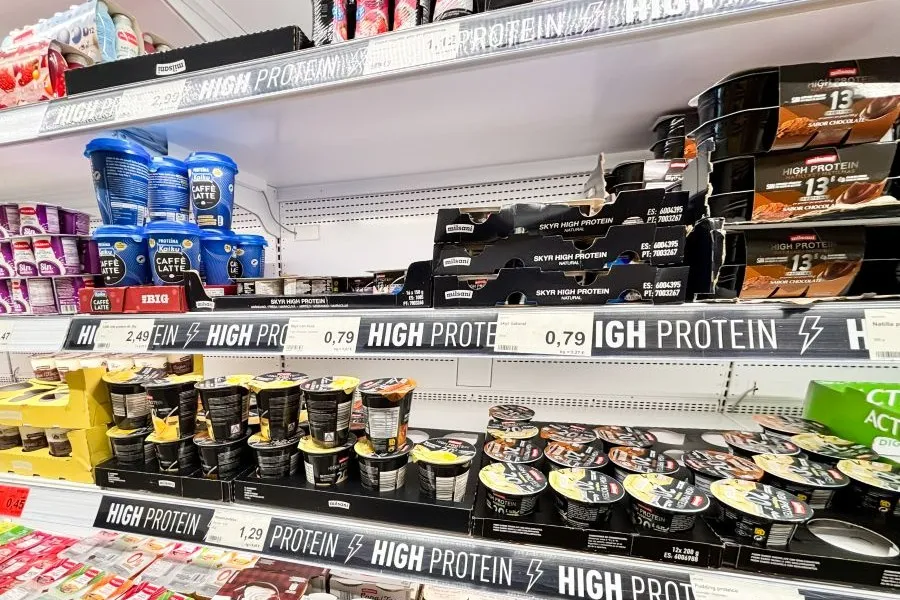 Carbery spotlights “compact nutrition” as a growing trend among GLP-1 users.
“Functional ingredients need to offer holistic support across the entire weight management journey in order to cater to this shift,” Karel says. “ Now more than ever, informed consumers want products that go beyond calorie reduction.”
“We are taking a holistic approach, emphasizing the role of plant-based proteins and prebiotic fibers, as well as low glycaemic carbohydrates that stimulate GLP-1 release naturally, promoting fat burning and supporting blood sugar management.”
Addressing GLP-1’s downsides
Another space for innovation is in ingredients and solutions that can address the common side effects of GLP-1 agonist usage. Slowed gastric emptying and low fiber intake frequently cause digestive discomfort for GLP-1 users. The lack of protein in diets can also cause sarcopenia, a form of muscle loss. Cosun Sensus says it has solutions to address these needs.
“We already see a clear increase in demand for our prebiotic chicory root fiber, as no other type of fiber has its benefits so well documented through clinical research,” says Laurens Delameilleure, the global key account manager at Sensus, a subsidiary of Royal Cosun. “Besides chicory root fiber, Tendra, our fava bean protein isolate is also very well-positioned for seamless protein enrichment in many applications, while supporting sustainability goals.”
“Thanks to its mild production technology, the protein brings very little viscosity and can therefore be added as needed to achieve protein targets without impacting texture or taste.” Laurens Delameilleure, the global key account manager at Sensus.
Tate & Lyle says its Sta-Lite Polydextrose ingredient solution can also be used to create food formulations that support gut health for current and former users.
“Our Sta-Lite Polydextrose offers benefits of particular interest to former GLP-1 users, with studies showing reduced energy intake at the next meal and increased levels of GLP-1 production versus an isocaloric meal — meaning it helps you feel fuller for longer and helps you to eat fewer calories,” Cahill says.
“It also supports gut microbiome health, which supports former users with any lingering gut side effects. It has high tolerance, making it a great choice for fortification and supplementing fiber intake to hit daily fiber goals. Additionally, it supports lower postprandial blood glucose response, has prebiotic effects, and can support weight management through calorie reduction.”
All of the companies agree that the GLP-1 era demands a lifecycle strategy, and success requires solutions that provide high-efficiency nutrition. By prioritizing protein, fiber, and micronutrients, brands can support consumers through every stage of their weight management journey, and companies can future-proof their portfolios against these shifting demands.


Upcoming webinars

2027 Food Safety Risks for Quality & Compliance Leaders
FoodChain ID

Formulating for function: Developing benefit-led beverages with natural colours, botanicals, and flavours
Givaudan Sense Colour

Let's reveal the grain potential: Innovate
Meurens Natural