

Beyond sweet and salty: ADM identifies six forces redefining global snack NPD

Key takeaways
- ADM snacking report identifies six forces reshaping snacks, from emotional needs and adventurous flavors to Gen Z, clean label, and GLP-1 nutrition.
- Taste remains essential, but affordability, convenience, and multifunctional benefits increasingly influence purchases.
- Manufacturers must balance indulgence with protein, fiber, and recognizable ingredients.
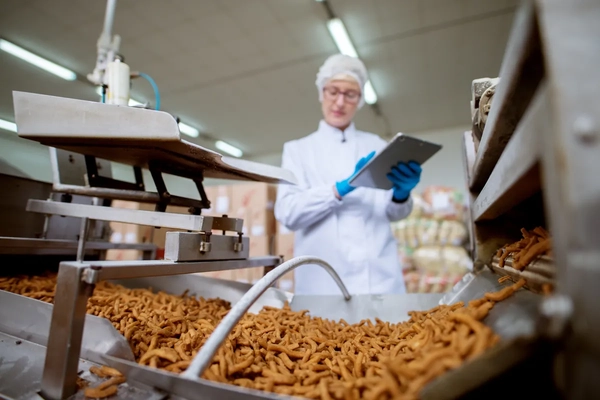
Health-conscious consumers are increasingly scanning snack aisles for products offering indulgence, taste, and value — often in the same bite. Once limited to the choice between sweet and salty, consumer demands in the category are expanding. This shift is prompting manufacturers to rethink snack NPD to drive repeat purchases, according to ADM’s new Snacking Research Report.
Snack innovations are moving from product-led innovation to occasion-led design, the report finds. It highlights six forces behind the redefining of the snack aisle: the convergence of emotional and functional needs, adventurous flavor exploration, Gen Z’s demand for multifunctional products, reformulation and clean label expectations, affordability demands, and the rise of nutrition tailored to GLP-1 users.

The research surveyed consumers in the US, UK, Mexico, Germany, and China, with 1,000 respondents per country. Participants were men and women over the age of 18 who reported at least two packaged snack occasions in the week before the study.
“While the study highlights several consistent global snacking drivers, it also reinforces the importance of understanding local consumer preferences,” Mike Medina, global category marketing director at ADM, tells Food Ingredients First.
“Manufacturers should use the findings as a strategic guide, then tailor product formulation to meet the unique tastes and purchasing behaviors of consumers in each market.”
Converging emotional and functional needs
ADM’s report points to snacking occasions that are driven by emotional (57%) and functional needs (43%), which often overlap. Indulgence is important during hunger and escapism occasions, while nutrition-focused occasions are also driven by optimization goals.
“Quality plant-based ingredients like beans, pulses, nuts and seeds, soy, and pea protein can help deliver a satisfying taste and texture alongside nutrition. Gut microbiome solutions, including prebiotic fiber, probiotics, and postbiotics, allow manufacturers to address different aspects of well-being without compromising the eating experience.”
“By incorporating these ingredients into indulgent formats, such as snack-sized brownie brittles or pastry twists, brands provide products that feel like a treat, while offering a nutrition profile consumers would prefer.”
Medina says snack innovation should reflect local priorities: hunger and indulgence lead in the US and UK, with indulgence stronger in Germany and Mexico.
Escapism is more prominent in Mexico and China, while long-term nutrition matters more in the US and China.
 Mike Medina: Taste is still the most important consideration for consumers and even minor flavor changes can impact repeat purchases.
Beyond sweet versus savory snacks
The next driver shaping snacking innovations is the combination of sweet and savory, globally inspired profiles, and sensations offering heat, cooling, or tingling for consumers, ADM’s analysis finds.
Medina says that manufacturers no longer need to think of sweet and savory as competing snack categories.
“Four in ten snacking occasions include both flavor profiles. To bring these concepts to life, sophisticated flavor solutions like our TasteSpark flavor modulation platform can help balance sweetness, support umami profiles, or build richness and creaminess for layered, satisfying eating experiences.”
“Concurrently, flavors derived from natural sources can deliver familiar taste experiences while signaling quality and supporting consumer expectations for recognizable ingredients.”
Snack companies can pair these capabilities with combinations, such as sweet-savory profiles with fruit, honey, and savory seasonings, or roasted nut flavors in formats like trail mixes.
Gen Z’s snack expectations
ADM’s report identifies Gen Z as a generation seeking an “anytime-anywhere” approach that can involve several snacks in a single occasion. They prefer snacks that are convenient and protein-rich, along with meat and meat alternatives, and also look for products benefiting mood, sleep, sustainability, escapism, and social connection.
For Medina, the biggest whitespace in this segment is creating “portable snacks” combining multiple benefits in one product.
“We see particularly strong opportunities in formats incorporating diverse protein sources, including soy and pea proteins alongside beans, pulses, nuts, and seeds in hybrid or plant-based snack formats.”
“Gen Z over-indexes in categories such as flavored milk, meat snacks, and spreads, suggesting they’re open to experimenting with different snack formats and combining products in new ways.”
This trend makes room for innovations ranging from protein-rich dairy snacks and meat-based offerings to plant-forward and hybrid products.
 Gen Z is creating whitespace for portable snacks that combine protein, wellness, and convenience, says ADM’s report.
Reformulation in focus
The report also draws attention to reformulation, as more than two-thirds of consumers are interested in reformulated snacks. Products offering added fiber and clean label attributes, such as removing artificial colors, are sparking consumer interest.
Nearly half (46%) are willing to accept a higher price for these snacks, 28% are neutral, and 26% are unwilling.
“From a formulation perspective, ingredients such as soy and pea protein, beans, pulses, and seeds can increase both protein and fiber while supporting consumer demand for more wholesome ingredient lists. Colors derived from natural sources can help brands meet clean label expectations,” Medina says.
However, he asserts that taste is the least negotiable attribute. Even small changes in flavor, texture, or appearance can impact repeat purchases.
“Successful reformulation often requires balancing multiple objectives at once, including improving nutrition, simplifying ingredient lists, and reducing sodium or sugar.” Companies must use quality ingredients and flavor modulation solutions that help restore the taste, texture, and overall sensory experience consumers expect.
Affordability still a decisive purchase factor
The report reinforces the need for a focus on affordability, which remains the most important purchase driver after taste. Some 71% of US consumers rate it as important, ahead of texture (50%) and sustainability (28%).
Medina explains that while consumers are increasingly value-conscious, they willingly pay for products that feel “worth the investment,” such as those offering functional nutrition or enjoyable eating experiences.
“Ingredient and flavor innovations can help optimize formulations while maintaining the taste and texture shoppers expect, and certain alternative protein sources, such as our textured soy, can improve cost without compromising quality or nutrition.”
“At the same time, selective premiumization — through distinctive flavors, recognizable ingredients or functional benefits — can help products stand out where consumers perceive meaningful added value.”
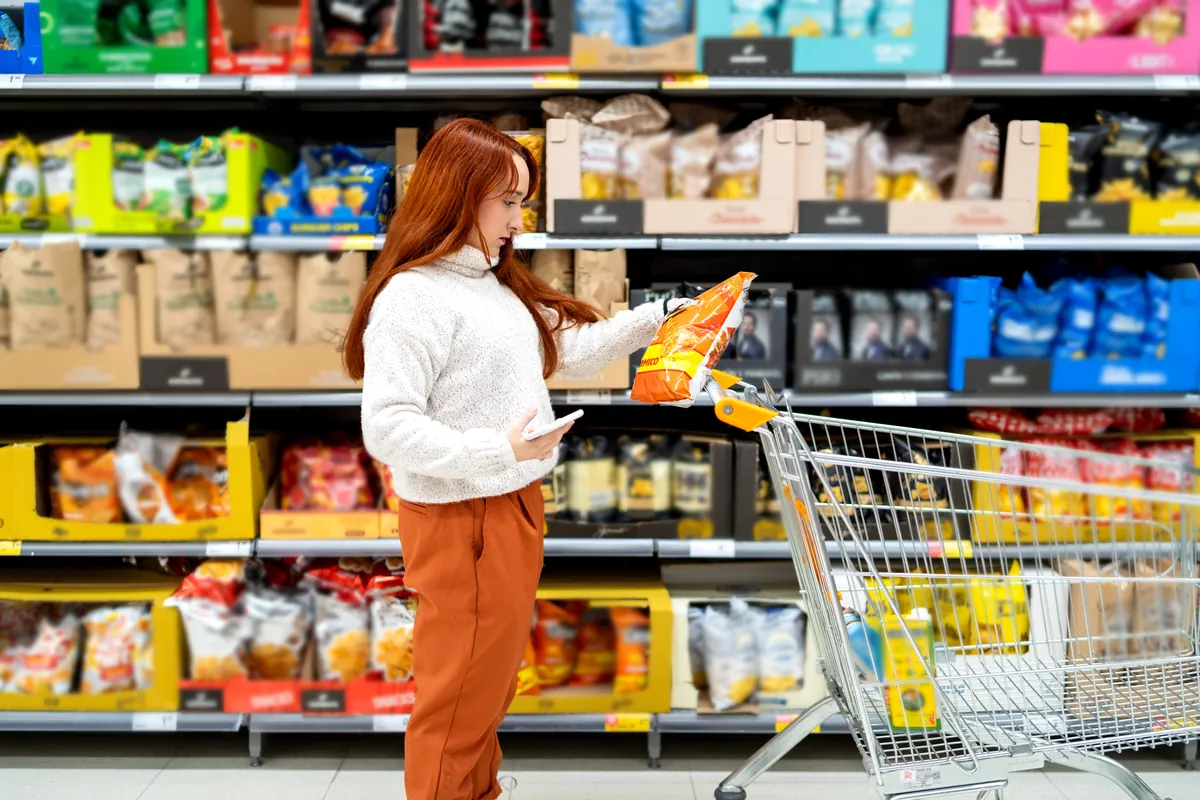 Affordability matters to 71% of US snack consumers, ahead of texture (50%) and sustainability (28%).
Emerging GLP-1 user snack innovations
The final driver in ADM’s snack analysis spotlights emerging innovation opportunities from users of anti-obesity medications such as GLP-1.
“As appetite changes with GLP-1 medications, these consumers place greater emphasis on nutrient density, making formulation especially important,” Medina emphasizes.
“GLP-1 users look for snacks with added protein, prebiotics, probiotics and postbiotics, and other wellness-supporting ingredients, while also seeking lower sugar options in convenient, portion-controlled formats.”
However, Medina points to the importance of sensory appeal since these users continue to look for indulgence.
“Our research found they consume 34% more snacks per occasion than the average US consumer, reinforcing that snacking remains an important part of their routine. The difference is that every bite needs to deliver greater nutritional value alongside the taste and texture consumers expect.”
For manufacturers, this opens up opportunities to develop smaller, portion-controlled snacks that combine protein, digestive wellness, and other functional benefits.
Future of snacking
The findings reinforce that the future of snacking will be defined by products that successfully balance taste, nutrition, convenience, and value, Medina asserts.
“Tapping into these insights can guide innovation pipelines, helping our customers develop snacks that align with evolving preferences across sensory appeal, affordability, and functionality.”
Through this research, ADM sheds light on the importance of designing solutions for specific consumer needs rather than taking a “one-size-fits-all approach.”