
Flavor-forward: ADM unveils key culinary trends transforming F&B innovation

Key takeaways
- ADM’s 2026 Global Culinary Trends unveils key forces driving F&B innovation with emphasis on bold, impactful flavors and cultural fusion.
- Culinary innovations must appeal to food critics and consumers, while social approval represents a broader, more human-centered evolution.
- The report emphasizes the growing importance of fermentation, plant-based innovations, and immersive dining experiences in shaping future NPD.
ADM has outlined how F&B manufacturers can advance flavor innovation in its 2026 Global Culinary Trends report — highlighting how “Third Culture Cuisine,” values-driven purchasing, GLP-1-influenced eating behaviors, and the growing demand for immersive dining experiences are reinventing innovation processes.
The report, based on global culinary research and consumer insights, reveals that “Third Culture Cuisine,”Social Approval,” “Big-Impact Bites,” “Maxxing Your Way,” and “Experiencing the Experience” are the five most impactful culinary forces shaping 2026, covering regions, ingredients, formats, and applications across the F&B sectors.
The findings provide actionable insights into consumer trends and emerging preferences to help companies translate these culinary signals into scalable ingredient systems for mass-market products that are also ethically aligned, while appealing to consumers sensorially.

“Capturing high flavor density and cross-cultural mashups takes an intricate knowledge of concentrated extracts and global spice blends, which can be dialed up or down for taste impact and consistency,” Kat Crozier, senior marketing manager for Flavors at ADM, tells Food Ingredients First.
“These systems need to be flexible enough to adapt regional taste cues into familiar formats for mass-market appeal. Our ‘Third Culture Cuisine’ trend reflects this cross-cultural creativity, from sweet or savory expressions in coffee drinks to preserving the art of traditional methods emulated in snacks and ready meals.”
The “Third Culture Cuisine” trend refers to a new era of food where identity, heritage, and creativity intersect in ways that feel both “deeply personal and universally exciting,” reads the report. Cross-cultural desserts and “roasted and toasted” flavors form key aspects of this shift.
The “Big Impact Bites” trend exemplifies opportunity with thoughtfully crafted bold flavor — from “one-bite umami flavor bombs” to grazing or shareable experiences with premium ingredients — indicating vast potential for lasting impact in smaller portions, Crozier explains.
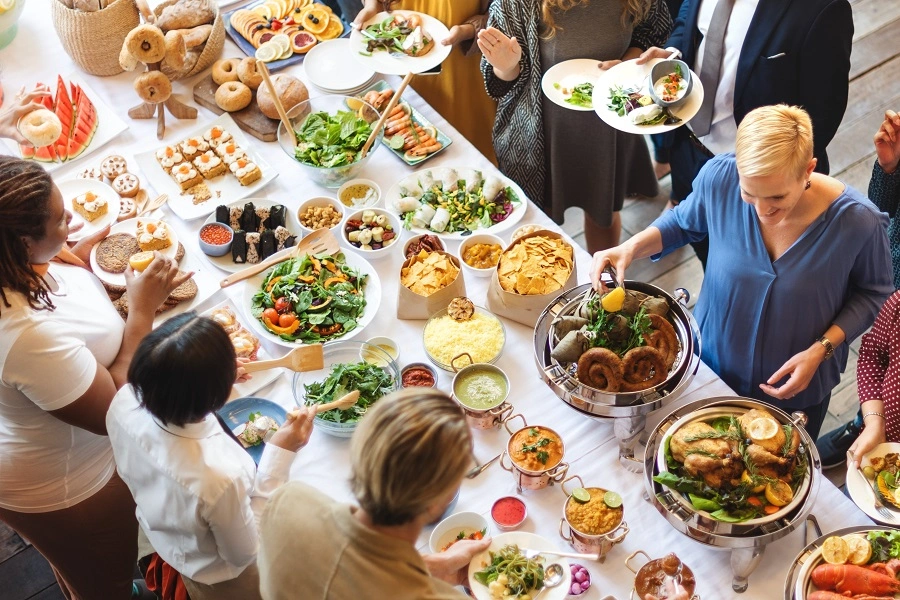 Third Culture Cuisine blends childhood comfort foods, family traditions, global travel, and digital food communities to create hybrid, “emotionally resonant” dishes.
Fermentation flavor complexities
The report describes social approval as the “next evolution” of conscious eating, representing a broader, more human-centered approach. Trends like “hyper local,” “eating with a cause,” “make taste, not waste,” and budget-friendly options are gaining popularity.
Food flavors like botanical & aromatic, heritage grains & circular inputs, cultured & elevated, sweet with depth, breads & dough, oceanic & savory greens, and fermentation/preservation-based notes are categories where manufacturers can innovate.
For beverages, bitter/herbal, tea/botanicals, global grains, functional focus (fermentation), and “zero proof” hold potential in drink innovation.
Fermentation, which appears across multiple trends highlighted in the findings, is a natural process that has been used for centuries, explains Crozier.
“Flavors and derivatives produced via fermentation can deliver complex aroma and taste attributes while also supporting clean labeling targets. We anticipate continued demand for flavors with fermented notes in unique innovation opportunities, signaling a desire for sensorial authenticity and complexity.”
“Fermentation flavor profiles showcase alongside acidity in ‘Big Impact Bites’ and appear as fermented or funky notes in ‘Maxxing Your Way’ for beverages. In the ‘Social Approval’ trend, we see opportunity with fermented citrus and with preservation techniques like pickling,” she adds.
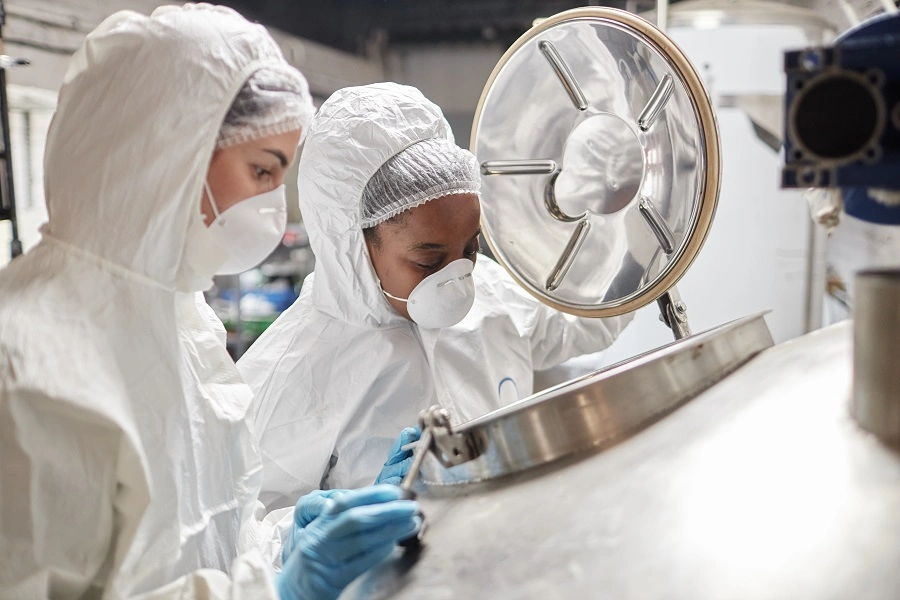 Fermentation delivers complex aroma and taste attributes to provide clean labeling and authentic flavor profiles.
“Zero-proofing” beverages
With the rise of “sober curious” movements globally, distillers are retooling their botanical expertise for zero-proof products, which mimic the taste and complexity of alcoholic drinks but contain no alcohol.
This trend is showcased in ADM’s “Maxxing Your Way” and “Social Approval” trends, highlighting how consumers reach for low- or zero-proof beverage options, with the expectation of “similar (or better) depth, structure, and sensory complexity when compared to alcoholic beverages,” Crozier shares.
“This shift in perception and demand for premium experiences that also match lifestyle choices is pushing formulators to leverage nuanced techniques for layered flavor experiences. Our flavorists and culinary experts can orchestrate this through flavor and hops extracts, bittering agents, and our flavor modulation platform to build mouthfeel and nuance without alcohol.”
Innova Market Insights has found an uptick in the prevalence of these zero-proof beverages in the US and Canada. Young Millennials account for approximately one-third of social media mentions of “zero-proof cocktails,” and women are also driving social media mentions of “zero-proof,” says the market researcher.
Functional callouts and sensory appeal
ADM’s “Maxxing Your Way” trend points toward food flavor highlights, such as sweet, “nostalgic maxxing,” “indulgence to perfection,” “unexpected formats,” and “flavor intensity overload.”
For some consumers, “maxxing” means minimizing through “zero-proofing”, simplifying ingredient lists, or choosing more fresh food preparations, the report reads. For others, it’s about more — more protein, more fiber, more plants, more flavor, more functionality, or more metabolic support.
For manufacturers, this means balancing high protein and fiber and overall functional callouts with sensory appeal and clean labels, says Crozier. This presents significant opportunities with quality plant-based and wholesome ingredients, along with flavor and color solutions derived from natural sources.
“Combining these ingredients with flavor and culinary expertise can lead to powerful sensorial and nutritional experiences. Specifically, our clean-tasting, highly functional plant proteins and value-added beans and pulses deliver on protein and fiber while mitigating concern for off-notes.”
“Flavor modulation is also key. Our TasteSpark flavor modulation bridges the gap between indulgent, better-for-you, and clean label offerings, neutralizing off-notes and elevating richness and full flavor perception.”
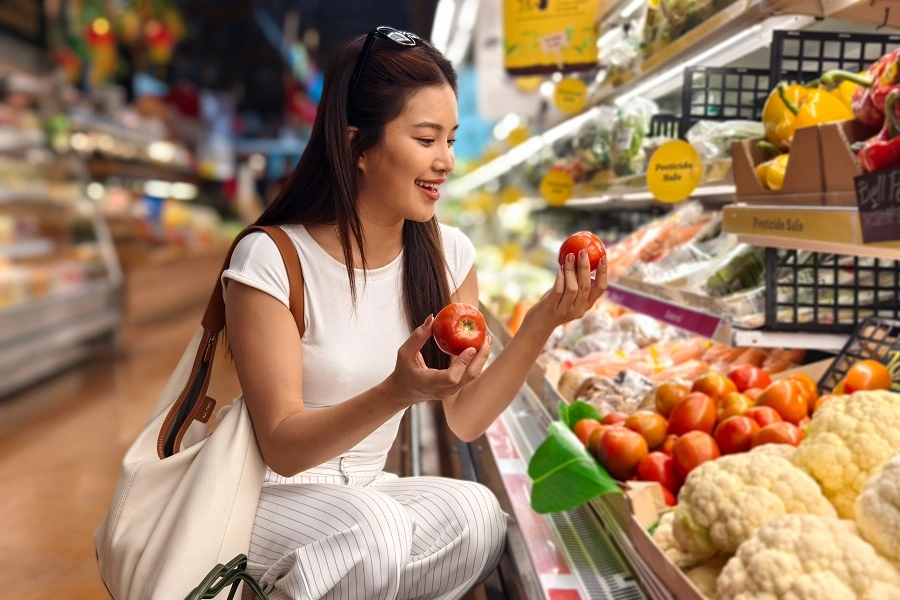 For consumers, "Maxxing" means minimizing through zero-proofing, simpler ingredients, and fresher food preparations.
Which trends will shape future NPD?
F&B manufacturers should be watching the “Third Culture Cuisine” trend due to “incredible ongoing influence in product development pipelines,” says Crozier.
“Global flavor cycles are compressing, moving from culinary and social platforms into mainstream CPG at an accelerated rate. As such, formulators need to leverage agile flavor systems that can scale regionally nuanced profiles into commercially viable formats.”
Meanwhile, for “Social Approval” and “Maxxing Your Way,” reformulation is critical.
“Consumers seek products that align with their lifestyles and values, shifting nutrition-forward formulation to the forefront and requiring integrated systems to balance performance, taste, and deliver visible cues of craftsmanship and better-for-you credibility,” Crozier explains.
“Big Impact Bites” and “Experiencing the Experience” also demand product development that targets flavor architecture that emphasizes intensity and memorability — “raising the bar for taste, texture, aroma, and format innovation.”




Upcoming webinars

2027 Food Safety Risks for Quality & Compliance Leaders
FoodChain ID
Formulating for function: Developing benefit-led beverages with natural colours, botanicals, and flavours
Givaudan Sense Colour
Let's reveal the grain potential: Innovate
Meurens Natural