


HTBA on closing the sensory gap in sugar-reduced and clean label products

Key takeaways
- Removing sugar impacts texture, mouthfeel, and overall flavor, making successful reformulation more complex than simply replacing sweetness.
- HTBA’s citrus-derived taste modulation solutions work at the receptor level to reduce bitterness and off-notes, while helping manufacturers deliver balanced flavor profiles in clean label products.
- Traceable ingredient sourcing, vertically integrated supply chains, and high manufacturing standards help build consumer trust and support consistent product quality.

Sugar reduction has become a strategic priority across the F&B industry, driven by consumer demand for healthier products without compromising on taste. But as reduction targets become more ambitious, the formulation challenge extends well beyond replacing sweetness.
Sugar contributes to mouthfeel, texture, flavor balance, and overall product experience, meaning its removal can expose bitterness, metallic notes and other off-flavors, particularly in products that rely on high-intensity sweeteners.
At the same time, manufacturers are being asked to do more. Functional ingredients, such as plant proteins, botanical extracts, vitamins, and minerals, introduce additional sensory hurdles, while clean label expectations leave formulators with fewer tools to address them.
The result is a growing sensory gap that cannot be closed through a simple ingredient substitution.

As brands seek to balance sugar reduction, functional performance, and label simplicity, taste modulation is emerging as an increasingly important area of innovation.
Mauro Trevisani, general manager North America and division manager for Taste Modulation Solutions at HTBA, discusses why sensory challenges in reduced-sugar formulations are becoming more complex. He also tells us how citrus-derived flavonoid taste modulators differ from conventional masking approaches.
The industry is trying to achieve multiple reformulation goals at once — reducing sugar, maintaining a clean label, and often adding functional ingredients. How has this shift changed the formulation challenge compared with sugar reduction alone?
Trevisani: Sugar reduction used to be fairly self-contained: find a sweeter substitute and tweak the balance. However, formulators today are working against several constraints at once. These range from lower sugar and fewer synthetic ingredients to added functionality and health benefits from proteins, botanicals, or vitamins. Because sugar goes beyond providing sweetness to suppressing off-notes and contributing to balance and mouthfeel, this significantly transforms the challenge.
For instance, lowering sugar content and adding functional ingredients simultaneously can make the off-notes from those ingredients (such as green or earthy tones from plant protein) more prominent. Traditional masking agents may blunt bitterness and other undesirable notes, but they often muddy the overall profile and add label complexity. The real challenge here is to maintain palatability while keeping the ingredient list simple. That means moving beyond blunt flavor coverage to more targeted taste modulation that works with the existing matrix instead of overlaying it.
 In sports drinks, the challenge is balancing sodium levels with the off-notes and lingering effects of high-intensity sweeteners.
Sugar reduction can leave products lacking sweetness, mouthfeel, and flavor balance, creating a “sensory gap.” Why is this a structural rather than simply a formulation issue?
Trevisani: The sensory gap in reduced-sugar systems is indeed structural because sugar shapes the physical matrix. It provides bulk and viscosity, which control how quickly sweetness is perceived and how long it lasts. As sugar reduction targets increase, the matrix thins, and the temporal profile changes. That means sweetness both sets in and fades faster, while characterizing flavors lose definition and feel hollow. High-potency natural sweeteners like stevia or monk fruit can restore some intensity, but they can’t recreate the physical interaction of sugar with the oral cavity or stabilize the release of flavor notes. The result is a profile that feels thin, flat, and inconsistent. Closing this gap therefore requires taste modulators that optimize sweetness and reshape how the flavor and mouthfeel unfold over time.
What are the biggest sensory losses manufacturers experience when sugar is removed, and why are these difficult to replace?
Trevisani: Reducing or removing sugar impacts sweetness, mouthfulness, continuity, and even perceived thickness. In sensory terms, these attributes determine how a flavor develops and lingers. Sugar essentially acts as a buffer to damped harsh edges from acid, salt, or alcohol, and rounds the overall profile. Without it, the flavor profile can become fragmented and sharp, with individual notes standing out rather than blending into a coherent whole. That’s why it’s important to restore physical viscosity and recreate that sense of richness and persistence on the tongue. Effective taste modulation tools, specifically flavonoid-based ones, are designed to achieve these effects, while boosting the perceived intensity of existing flavor signals.
Citrus flavonoid taste modulators are gaining attention as a novel approach to taste modulation. How do these systems differ from conventional masking agents, sweetener blends, or flavor modifiers?
Trevisani: Compared to conventional masking agents, citrus flavonoid taste modulators don’t simply cover or mute off notes. Instead, natural flavonoids change how taste signals like sweetness and bitterness are perceived over time. This allows formulators to achieve various outcomes ranging from increasing sweetness onset speed and reducing aftertaste linger to improving overall balance between sweet, sour, salty, bitter, and umami.
To leverage these performance advantages, HTBA designed its citrus flavonoid-based OptiTaste taste modulation platform to effectively complete the taste experience. These taste modulators can be seamlessly incorporated into flavor systems or used alone to enhance existing flavors in a product. They also do not alter the core identity of the characterizing flavors in a formulation because they work at very low use rates. The result is a more nuanced sensory experience, where modulation refines and optimizes the overall flavor profile, rather than simply masking it.
 In beverages, taste modulation helps balance sodium and sweetener off-notes, creating a cleaner, more rounded flavor experience.
How can flavonoid-based taste modulation help brands meet clean label expectations while improving sensory performance?
Trevisani: Simplifying the ingredient list is a key driver for many brands, as manufacturers today are under significant pressure to simplify their labels and meet growing consumer demand for natural flavors and structural simplicity. Flavonoid-based taste modulation can help by delivering performance without adding on-label complexity. Derived from citrus sources through processes such as extraction and fermentation, many of these flavonoid-based taste modulators are classified by the Flavor and Extract Manufacturers Association as natural flavors in major markets. Because they function at very low levels, they can be used to enhance sweetness, mask off-notes, and balance flavor without requiring additional on-label declarations.
Many products are also being fortified with ingredients, such as plant proteins, botanical extracts, vitamins, or minerals. How do these functional ingredients compound the sensory challenges already created by sugar reduction?
Trevisani: Plant proteins, botanical extracts, and many vitamins and minerals introduce bitter and astringent notes that sugar normally helps to suppress. When sugar is reduced, these off-notes become more dominant. This challenge is especially prominent in plant-based, protein-dense products, which often come with chalky or earthy taste profiles that are difficult to mask without added complexity. The combination of sugar reduction and fortification, therefore, creates a compounding effect: the base is already thinner and less rounded, while functional ingredients add new layers of harshness.
To remedy this, we need to reduce the perceived intensity of strong-tasting compounds like stevioside, caffeine, or certain minerals, rather than just overlaying with more sweetness. For instance, HTBA’s OptiTaste taste modulation platform can simultaneously optimize sweetness and mask off-notes without adding to the ingredient list. Integrating targeted off-note reduction with sweetness optimization therefore means that formulators can neutralize these sensory hurdles while keeping the ingredient list clean and the label simple.
How do formulation challenges differ across product categories?
Trevisani: Formulation challenges vary significantly by category. In beverages, such as sports drinks, the main issue is balancing high sodium levels against the metallic or lingering aftertastes of high-potency sweeteners. Taste modulation here focuses on speeding up sweetness onset and smoothing the decay for a rounder flavor profile. In plant-based dairy and protein bars, the challenge is neutralizing green, beany, or powdery notes from proteins like faba, which requires targeted bitterness and astringency reduction without masking base flavors.
Bakery products also often suffer from a loss of bulk and mouthfeel when sugar is removed, leading to a dry, thin texture that taste modulation must address through improved richness and flavor optimization. In savory applications, such as low-sodium broths or dips, the issue is a flat, watery profile when salt is reduced. Here, taste modulators enhance existing salty and umami flavors to restore body and depth without adding more sodium or other ingredients.
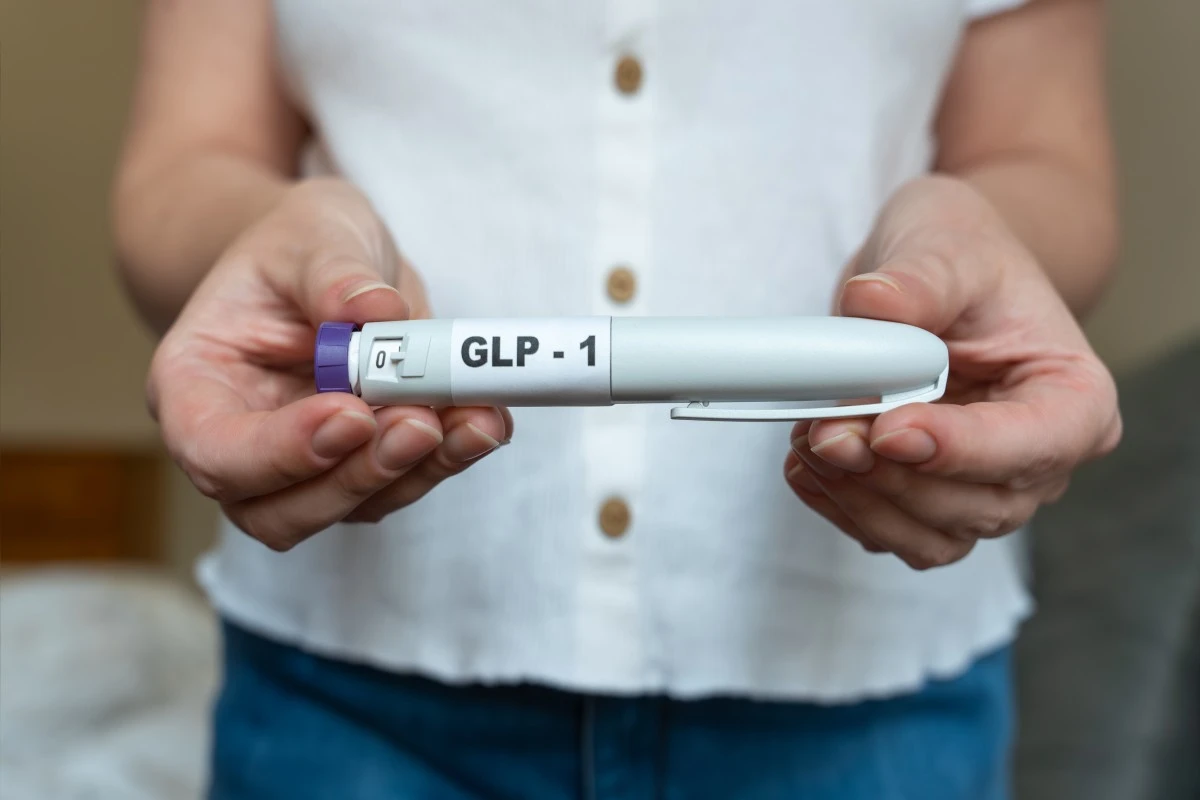 Driven by the rise of GLP-1 use, nutrient-dense formats must overcome the sensory challenges of concentrated protein, mineral and botanical ingredients.
Where do you see the biggest opportunities for innovation in taste modulation over the next few years?
Trevisani: To successfully cut sugar content, transition toward natural ingredients, and effectively incorporate functional ingredients, approaches to taste modulation must evolve to target multiple aspects of the overall taste profile. The main opportunities for innovation in taste modulation therefore lie in expanding the range of applications and improving the precision of the modulation itself.
As nutrient-dense, small-format products gain popularity alongside GLP-1 use, modulators must also support high protein, mineral, and botanical content in compact formats, avoiding off-notes, thinness, or artificial tastes that GLP-1 users are more sensitive to. We’re also seeing growing potential in functional foods and beverages designed to support cardiovascular, metabolic, or cognitive health, where taste modulation can improve the palatability of bitter- or astringent-tasting compounds. In the years ahead, progress is set to come from more advanced taste modulation tools like flavonoids and tailored ratios, fine-tuned to the unique sensory challenges of each category and application, rather than one-size-fits-all solutions.