



ADM’s 2027 flavor and color trends blend comfort with sensory discovery
Key takeaways
- ADM’s 2027 trends emphasize comfort, sensory discovery, and enjoyable functional foods.
- Lime-forward citrus and indulgent flavors beyond salted caramel offer innovation opportunities.
- Natural colors must balance visual appeal with stability and reformulation demands.

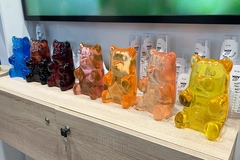 ADM’s gummy bear showcase at Fi Europe 2026.
ADM is highlighting lime-forward citrus, creamy coconut, dulce de leche, and maple cake as emerging opportunities for food and beverage innovation in 2027. Its latest flavor and color outlook pointed to consumers seeking emotional comfort, sensory excitement, and more enjoyable functional products without compromising on taste or indulgence.
Speaking to Food Ingredients First at Fi Europe 2026 last week in Frankfurt, Germany, Coralie Garcia, senior flavor product marketing manager for EMEA at ADM, said consumers are increasingly torn between what they need and what they want.
“They want emotional uplift. They want to have pleasure,” she said.
ADM’s 2027 Flavor and Color Outlook, themed “The Search for Contentment,” explores how manufacturers can respond through familiar flavors, unexpected combinations, vibrant colors, and sensory experiences that make everyday consumption more enjoyable.
Lime takes the lead
Citrus remains a major growth opportunity, but Garcia said the balance of familiar flavor combinations is shifting. Rather than positioning lemon as the dominant note, manufacturers are increasingly exploring lime-forward formulations.
“Lime is becoming the hero in the formulation of the product,” she said.
Garcia described a move from traditional lemon-lime combinations toward lime-lemon profiles, reflecting opportunities to refresh established citrus products without abandoning familiar taste experiences.
Mango and orange also remain strong, although ADM sees opportunities to explore different varieties and more distinctive flavor expressions.
Meanwhile, indulgent flavors are evolving beyond conventional caramel profiles.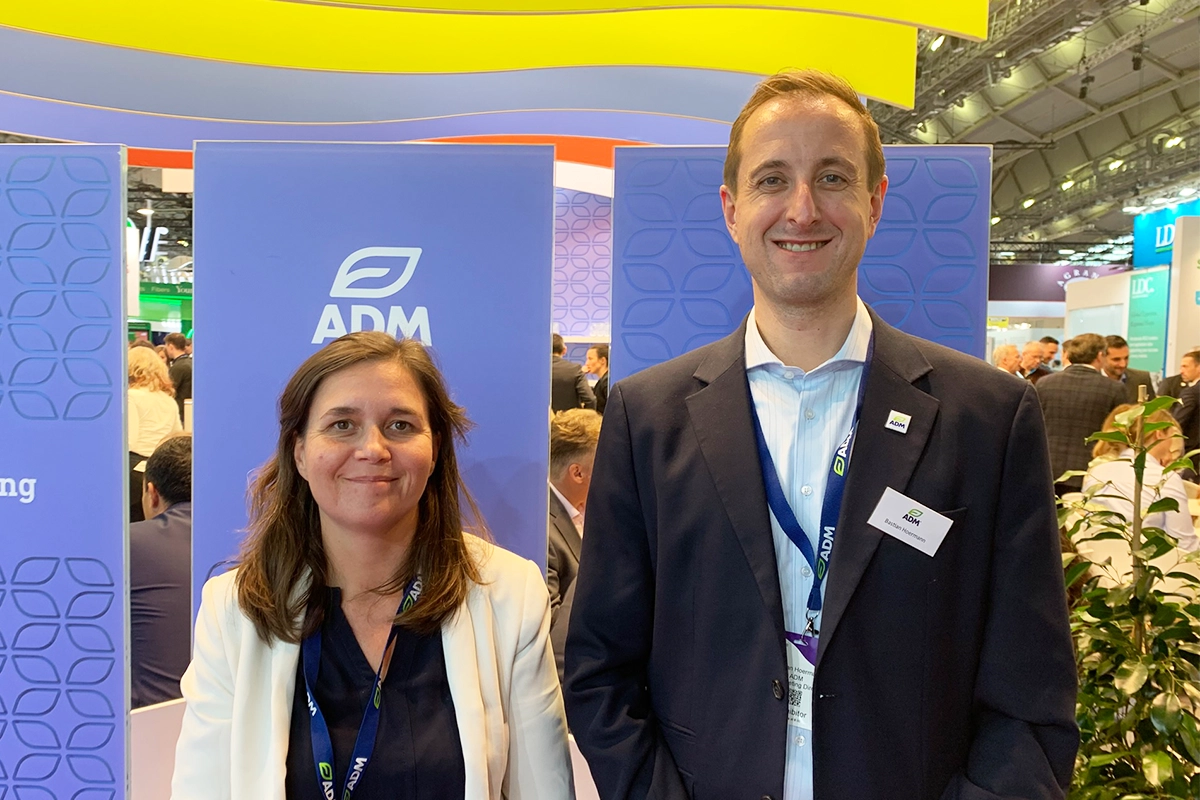 Coralie Garcia, senior flavor product marketing manager for EMEA at ADM, pictured with Bastian Hörmann, the company’s global marketing director for sweet goods, dairy, and specialized nutrition, at Fi Europe 2026.
Garcia said consumers are increasingly looking beyond salted caramel, which has become a familiar reference point, toward richer profiles, such as dulce de leche and maple cake.
These developments illustrate how manufacturers can introduce novelty while retaining recognizable flavor characteristics.
ADM categorizes mango, amplified citrus, and alternatives to salted caramel as mainstream growth opportunities in its outlook.
Coconut and hojicha, a roasted Japanese green tea, feature among emerging flavors, while creaminess, ube, and reinvented banana are identified as fast-growth opportunities.
Creaminess is particularly relevant to formulations designed around comfort and indulgence, where texture and mouthfeel can reinforce the overall flavor experience.
Making functionality more appealing
ADM organizes its forecast around three overarching trends: “Entitled to Ease,” “Discover the Fun in Functional,” and “My Sensory Playground.”
The first reflects consumers’ desire for moments of peace and enjoyment, including small, everyday indulgences that provide comfort without guilt.
The second highlights an opportunity to make health-oriented products more appealing through engaging flavors, colors, and sensory experiences.
Garcia told us consumers want to enjoy their wellness journeys and “don’t want boring, bland, gray products.”
For manufacturers, this creates opportunities to differentiate functional foods and beverages beyond their nutritional composition.
Garcia points to ADM’s consumer research showing that certain flavor and color combinations are associated with specific wellness benefits.
“For energy, people are looking for more citrus, more yellow, orange hints,” she said.
By contrast, consumers may associate red berry flavors and pink or red shades with women’s health, she explained.
These associations can help brands communicate a product’s intended positioning through sensory cues, although they do not independently establish its nutritional or functional benefits.
The third trend, “My Sensory Playground,” addresses consumers’ appetite for exploration through unusual flavors, vibrant colors, and combinations of textures.
Garcia points to the popularity of ube and matcha as examples of consumers exploring distinctive sensory experiences.
For manufacturers, the opportunity lies in combining discovery with familiarity, allowing consumers to explore something new while maintaining recognizable elements of taste and enjoyment.
Color moves beyond visual appeal
ADM’s 2027 outlook also identifies an overarching color palette inspired by nature, including clay tones, deep browns, harvest greens, and sage.
More expressive shades support its individual trends, with purple associated with comfort, blue and orange linked to enjoyable functionality, and bold reds emphasizing sensory exploration.
However, translating these concepts into commercial products introduces formulation challenges.
As our recent report on natural color reformulation highlights, reducing sugar or introducing protein and fiber can change the conditions in which natural pigments must perform.
Adjustments to acidity, ingredient interactions, and processing temperatures can influence color stability, intensity, and shelf life.
ADM’s Jessica Kidwell, vice president of creation, design, and development for Global Colors, previously explained that anthocyanin reds can shift shade in higher-pH dairy or protein formulations.
Such challenges become increasingly relevant as manufacturers pursue natural ingredients alongside nutritional reformulation.
Balancing naturalness and performance
At Fi Europe 2026, Garcia emphasized the importance of responsible ingredient sourcing and technical collaboration when transitioning toward naturally derived flavors and colors.
She says more than 80% of ADM’s flavors are natural, while all its colors are derived from natural sources.
Beyond sourcing, manufacturers must understand how alternative ingredients behave within existing formulations and production environments.
Garcia identified application R&D expertise as essential to maintaining consistent taste, appearance, and product quality during reformulation.
“It’s about collaborating, being there with the customer hand in hand to reformulate, to ensure consistency and the right transition,” she said.
These considerations extend to sugar reduction, where manufacturers must preserve sweetness, texture, and indulgence while changing the nutritional profile.
As explored in our recent report on sweetness innovation, successful reformulation increasingly requires complementary sweetening ingredients, taste modulation, and texturizing solutions rather than straightforward ingredient substitution.
For ADM, its 2027 outlook suggests that flavor and color innovation will increasingly depend on integrating consumer expectations with technical formulation capabilities.