



GLP-1 changes more than appetite: The new consumer moments redefining F&B innovation

Key takeaways
- GLP-1 is reshaping food choices beyond portion sizes and nutrition, with emotional, sensory, and social needs driving innovation.
- IFF identifies ten consumer moments reflecting changing needs throughout the day.
- Hydration and longer-term consumer relationships offer further opportunities for manufacturers.
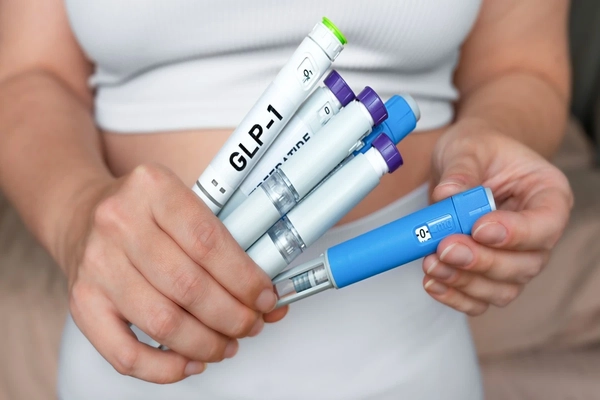
Much of the food and beverage industry’s conversation around GLP-1 has focused on how reduced food intake among users of weight-loss medications is reshaping innovation. Smaller portions, higher protein and fiber content, and products delivering greater nutritional value per bite have dominated the agenda. But this may be only the first chapter of a much bigger story.
The next phase of GLP-1 innovation is not simply about making food more nutritious in smaller quantities. It is about understanding the changing emotional, sensory, and functional roles of food across different occasions — and designing products around those needs.
This is the focus of International Flavors & Fragrances’ (IFF) new report, “GLP-1 Consumer Moments of Opportunity.”
Ten moments, a more nuanced consumer
IFF’s research identifies ten consumer moments reshaping F&B in the GLP-1 era. Spanning changing physical needs, daily routines, and emotional motivations, the company highlights how consumer expectations can shift depending on the occasion.
The message for manufacturers is that there is no single GLP-1 consumer need, or one product solution.
Three areas stand out in particular: the continued importance of pleasure and emotional connection with food; the role of sensory experiences, including flavor and texture, in making smaller eating occasions satisfying; and the impact of changing consumption habits on social experiences and shared food occasions.
Together, these point to opportunities that extend well beyond nutritional reformulation, challenging manufacturers to consider not just what consumers need from food, but how they want to experience it.
“The biggest shift is that eating has become far more intentional, with eating and drinking occasions now taking on nutritional and emotional roles that they wouldn’t have in the past. A few mouthfuls of a food product may take the place of a familiar meal; a beverage may become a way to work nourishment into a busy day; and a small indulgence may carry greater emotional value than before,” Mimi Sherlock, VP, Global Human Futures, IFF Taste, tells Food Ingredients First.
“For manufacturers, this means moving beyond product categories and thinking in terms of consumer moments. Manufacturers need to understand better exactly what their consumers’ needs are, and how they can change over the course of a day.”
Sherlock explains where manufacturers may be overlooking opportunities, particularly in the emotional and sensory dimensions of the GLP-1 experience.
“Nutrition is only part of the story. GLP-1 medications may quiet hunger, but they don’t eliminate the desire for enjoyment, comfort, routine, and social connection. The biggest innovation opportunity lies in designing for specific consumer moments rather than product categories,” she continues.
“Depending on the occasion, consumers may be seeking nourishment, convenience, emotional comfort, or a chance to enjoy a favorite flavor.”
“Manufacturers are overlooking the sensory and emotional dimensions of the GLP-1 experience, Sherlock argues When consumers are eating less, every bite and sip matters more. Flavor, texture, and overall enjoyment become increasingly important in determining whether a product earns a place in their routine. The brands that succeed will be those that deliver the right combination of nutrition, functionality, and sensory satisfaction for the moment that matters.”
Mapping consumer moments
IFF identifies ten consumer moments: “Protein-First Wake-Up,” “Midday Bridge,” “Post-Dose Recovery Window,” “On-the-Go Fuel Stop,” “End-of-Day Emotional Reset,” “Planned Indulgence,” “Nutritional Insurance Check,” “Post-Workout Reward,” “Social Table Moment,” and “Compliance Snack.”
The moments span the day, from protein-focused breakfasts and between-meal nourishment to managing sensitivities following medication doses and finding convenient options on the go.
They also explore the emotional role of food through comfort and indulgence, the need to check nutritional intake, post-exercise recovery, maintaining social eating experiences, and finding convenient ways to meet nutritional needs.
Hydration moves beyond fluid replacement
While the ten consumer moments highlight when and why GLP-1 consumers seek food and drink, hydration offers a further opportunity for innovation, particularly in beverages.
Alongside its ten consumer moments, IFF has developed its Hydration Plus framework, which moves beyond the traditional idea of simply replacing fluids. It identifies five distinct hydration needs — “Replenish,” “Maintain,” “Revitalize,” “Perform,” and “Connect” — giving manufacturers a way to develop drinks around specific consumer motivations and occasions, rather than hydration alone.
“Most hydration innovation is built around one broad job: replacing fluids. The real opportunity comes from getting more specific, using two lenses together. Our consumer moments work shows when and why someone reaches for a drink. Our Hydration Plus framework defines the specific job that a hydration drink needs to do at that moment,” Sherlock says.
“Take a single moment, such as the end-of-day reset. The same hydrating drink could be designed to ‘Replenish’ after a draining day, ‘Revitalize’ without caffeine, or ‘Connect,’ marking the switch to personal time through an adult non-alcoholic ritual.”
“Each need state applied to that moment produces a different beverage. That’s how hydration moves well beyond water and sports drinks into functional beverages, adult non-alcoholic drinks and alcohol alternatives.”
The evolving GLP-1 consumer journey
Ultimately, the GLP-1 opportunity extends beyond developing products for people currently taking the medication. As treatment stages, motivations and nutritional needs change, manufacturers will need to consider how they maintain relevance over the longer term.
For Sherlock, the key is understanding the individual rather than focusing solely on the medication.
“The GLP-1 journey is dynamic, and consumer needs evolve in two ways: by where someone is in their treatment, and by why they started it,” she tells us.
“Stage matters. Shortly after a dose, for example, many consumers report discomfort or heightened sensory sensitivity, and familiar foods can feel difficult. Products for this post-dose recovery window can explore restrained aromas, mild flavors, and formats that let people consume small amounts at their own pace.”
As consumers move into transition, maintenance, or stop taking the medication, the same person may want less reassurance and more flexibility, variety, and enjoyment, highlights Sherlock.
“Motivation matters just as much. Our research identified four GLP-1 consumer personas, each with distinct motivations. Someone focused on measurable progress looks for different benefits than someone who values familiar, dependable nutrition and reassurance. Two people in the same moment and at the same stage may want very different products.”
Sherlock concludes that building longer-term relationships will depend on understanding the individual, including those who eventually discontinue treatment, rather than focusing exclusively on the medication itself.