




Tirlán invests €126M to expand whey protein capacity amid global supply crunch
Key takeaways
- Tirlán invests in a new whey processing facility in Ballyragget, Ireland, expected to become operational by mid-2027.
- Rising global demand for WPC80 and WPI, combined with constrained processing capacity, is putting pressure on specialized whey protein supplies.
- Dairy exports to seven Southeast Asian markets reached €270.5 million in 2025, up 14% year-on-year, highlighting growing opportunities for dairy ingredient suppliers.

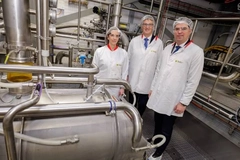 (Image credit: Tirlán).
Growing demand for specialized whey proteins is putting pressure on global supplies. Some manufacturers are struggling to match rising requirements for whey protein concentrate (WPC80) and whey protein isolate (WPI) with available processing capacity.
In response, Irish dairy processor Tirlán is investing €126 million (US$138 million) in a new whey processing facility at Ballyragget, County Kilkenny, as part of efforts to expand supply of high-value nutritional dairy ingredients. The facility, expected to become operational by mid-2027, will focus on an advanced whey protein portfolio, including clear whey protein.
The investment comes amid growing demand from food, beverage, and specialized nutrition manufacturers, with protein increasingly moving beyond traditional sports nutrition into mainstream products targeting healthy aging, weight management, and everyday wellness.
The challenge for the dairy industry is increasingly one of supply. While demand for high-protein products continues to grow, the processing infrastructure needed to produce specialized whey ingredients has struggled to keep pace, creating pressure on the availability of WPC80 and WPI.
According to UBIC Consulting’s Milk Protein Ingredients Competitive Landscape Report, global protein demand is projected to increase by 70% by 2050, while the market could face an annual protein deficit of 28 million tons by 2030. Although the forecast covers the wider protein market, it underlines the growing challenge facing ingredient suppliers as food manufacturers seek to secure reliable sources of protein.
Demand extends beyond sports nutrition
The changing nature of protein consumption is adding to the pressure on dairy ingredient supplies. Irish dairy ingredients company Carbery observes that sports nutrition is expanding into broader active nutrition and wellness categories, with protein-enriched products increasingly targeting mainstream consumers interested in healthy aging, weight management, and everyday nutrition.
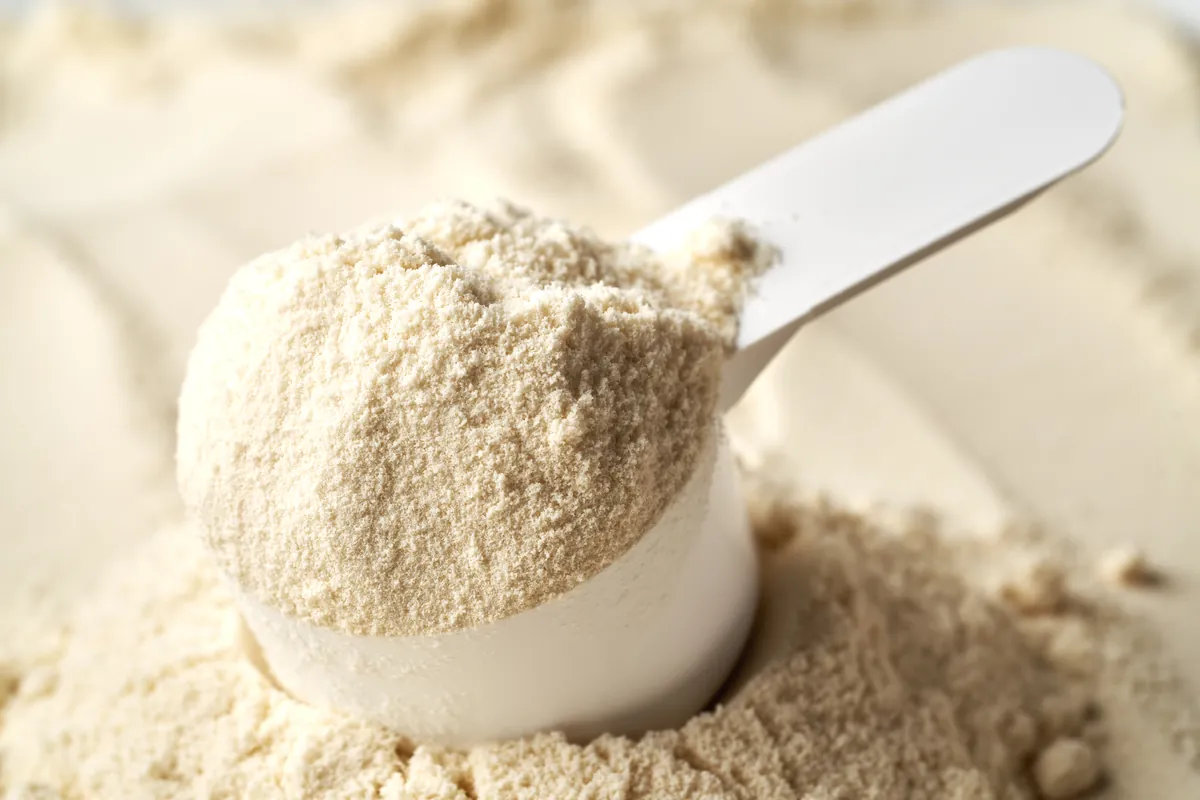 Tirlán’s investment aims to strengthen its nutritional whey protein portfolio.Applications are also extending beyond traditional powders and sports drinks into ready-to-drink beverages, meal replacements, functional snacks, and fortified yogurts.
This diversification is creating additional demand for specialized dairy proteins, with manufacturers looking for ingredients that deliver specific nutritional and functional properties across different product formats.
Within the dairy protein category, WPC80 and WPI are experiencing some of the strongest market pressure. Milk protein concentrate (MPC) is also attracting attention as manufacturers explore alternative formulation options, while casein continues to offer opportunities in specialized nutrition and functional food applications.
Irish investment targets increased capacity
Tirlán’s investment is part of the industry’s response to these changing requirements. The new Ballyragget facility will focus on an advanced nutritional whey protein portfolio, including clear whey protein, which offers opportunities for beverage manufacturers looking to develop protein-enriched drinks with a lighter appearance and texture.
Tirlán processes approximately one-third of Ireland’s milk supply and says the new facility is being designed to be water-neutral and carbon-efficient.
Its development highlights the importance of investment in specialized processing infrastructure as dairy suppliers seek to increase the availability of higher-value ingredients.
For manufacturers, additional capacity could help ease some of the pressure on whey protein supplies, while providing opportunities to develop products for an expanding range of nutrition and wellness applications.
Southeast Asia presents further opportunities
The supply challenge coincides with growing demand for European dairy ingredients in Southeast Asia. According to Bord Bia, European dairy exports from Ireland to seven Southeast Asian markets reached €270.5 million (US$297 million) in 2025, up 14% year on year. Export volumes increased 10% to 86 million kg.
The upward trend has continued into 2026. Between January and August, export value rose 32% to €230.2 million (US$253 million), compared with €174.3 million (US$192 million) during the same period in 2025.
Volumes increased 19% to 66.3 million kg, with infant food, skim milk powder, whey, and butter among the leading contributors to value growth.
Singapore is an important regional hub for connecting dairy suppliers with food manufacturers, procurement teams, and research and development professionals.
Bord Bia is seeking to strengthen these relationships through its EU co-funded “European Dairy: Ireland, Where Nature Meets Science” campaign, a €3.2 million (US$3.5 million), three-year initiative focused on developing commercial and technical partnerships between Irish dairy suppliers and Asian manufacturers.
“Through this EU-funded campaign, we want to bring manufacturers and European dairy suppliers from Ireland into closer dialogue. By connecting formulators and buyers with supplier expertise, we aim to support technical exchange, product development and long-term commercial partnerships,” says Lisa Phelan, Southeast Asia manager at Bord Bia, the Irish Food Board.
The campaign will return to Singapore for Food & Hospitality Asia in April 2027, with a technical R&D seminar planned alongside the exhibition for formulators, product developers, and procurement professionals.
As demand for specialized dairy proteins continues to grow, investment in processing capacity will be central to improving supply availability and supporting manufacturers developing the next generation of protein-enriched foods and beverages.