

WK Kellogg accelerates natural color shift across cereal portfolio


Key takeaways
- WK Kellogg will eliminate artificial colors from its full cereal portfolio by the end of 2026, using natural alternatives from fruit, vegetable, and other plant-based sources.
- The move reflects broader advances in natural color technology, as suppliers improve performance, stability. and scale-up for commercial food production.
- Rival cereal makers and retailers, including General Mills, Target and Walmart, are also accelerating efforts to reduce or remove synthetic colors.
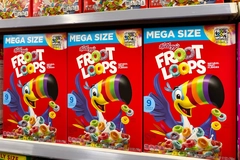
WK Kellogg is moving up its timeline to eliminate all artificial colors and the preservative BHT across its full portfolio of cereals and cereal packaging by the end of this year. Production of cereals with the new recipes, including Kellogg’s Froot Loops and Kellogg’s Apple Jacks, will begin later this year, with products expected to reach retailers before year-end.
The North American cereal manufacturer says the replacement colors will come from natural sources, including fruit and vegetable juices, and other plant-based ingredients.
The company has invested in its manufacturing facilities to enable the transition at scale while maintaining product taste and quality.
“More and more consumers are looking for foods made with simple, recognizable ingredients, and we are proud to meet those expectations, even sooner than planned,” says Doug VanDeVelde, chief growth officer at WK Kellogg.
“We conducted extensive consumer testing to make sure these recipes deliver the great taste consumers want while maintaining the original rainbow of colors — red, orange, yellow, green, purple, and blue — that fans of Froot Loops and other colorful cereals have come to love. It wasn’t easy, but we identified natural solutions for every color, and we’re confident families will love the updated recipes and simplified ingredients without compromising on quality or taste.”
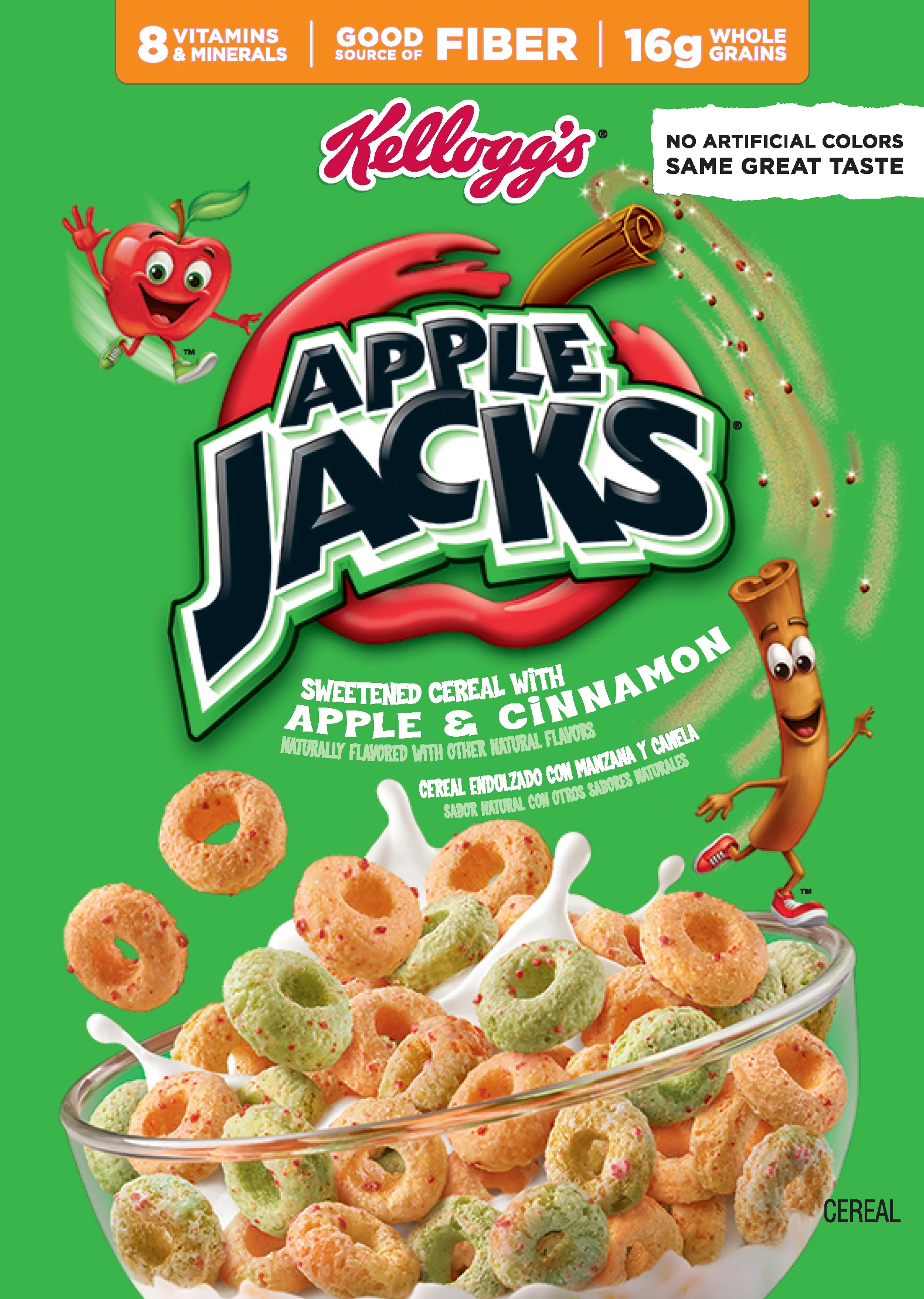 WK Kellogg’s replacement colors will come from natural sources, including fruit and vegetable juices.In preparation for removing artificial colors from its entire portfolio, WK Kellogg has already reformulated foods served in schools to be free of artificial colors and discontinued new products with artificial colors beginning this past January.
Natural colors face scale-up test
WK Kellogg’s move comes as natural color technology advances rapidly amid intensifying scrutiny of petroleum-derived dyes.
Recently, Food Ingredients First highlighted how natural colors are moving closer to synthetic-level performance, as suppliers improve extraction technologies, ingredient formats, and delivery systems.
Natural color alternatives include Givaudan Sense Colour’s Amaize orange-red, Phytolon’s fermentation-derived Beetroot Red, and California Natural Color’s Pure Red Carrot.
However, replacing synthetic colors remains more complex than a straightforward ingredient swap. Natural pigments can react differently to heat, pH, processing conditions, and storage, creating challenges around shade consistency and shelf life performance.
GNT recently told us that the industry’s focus is increasingly shifting from simply identifying natural alternatives toward successfully commercializing them at scale.
Cereal color shift accelerates
WK Kellogg is not alone in accelerating cereal reformulation. Rival General Mills announced in June 2025 that it planned to remove certified colors from all US cereals by summer 2026 and from its entire US retail portfolio by the end of 2027. The company says it remains on track with those commitments.
General Mills has since introduced new Lucky Charms and Trix varieties featuring colors from natural sources, highlighting how the shift away from synthetic dyes is moving into some of the category’s most color-dependent brands.
Retailers are adding further momentum to the reformulation push. Beyond Target’s move to eliminate certified synthetic colors from its cereal assortment and Walmart’s pledge to remove synthetic dyes from US private-label foods, Save A Lot is phasing seven artificial dyes out of its private-label portfolio by the end of 2027.
Meanwhile, retailers including ALDI, Whole Foods Market, and Trader Joe’s have been operating own-brand or storewide standards restricting synthetic colors.