



Natural color innovations approach synthetic-level performance as biotech reshapes F&B

Key takeaways
- The shift from synthetic dyes to natural color solutions is driven by consumer demands for clean label products and regulatory pressures.
- Technical and supply challenges persist, as companies innovate to improve color stability and sourcing.
- Innovation, especially in biotechnology, new formats, and extraction technologies, is expanding the performance and palette of natural food colors.
 (Image credit: Phytolon).
Natural colors are no longer aimed at just being a clean label alternative for synthetic hues in F&B applications — they are being engineered to match artificial performance. The future of natural color solutions is not restricted to better plant extracts, but includes a combination of agriculture, biotechnology, and advanced formulation to revamp the F&B ecosystem.
Stricter regulations, social media influences, and growing demand for affordable hues derived from recognizable sources are prompting F&B manufacturers to explore natural solutions that perform close to synthetic colors, without compromising on visual appeal.
Brands are responding to consumers’ preference for natural alternatives to artificial ingredients — a shift reflected in Innova Market Insights’ data, which shows a 9% increase in the use of natural colors in F&B launches between 2021 and 2025. Bakery products had the highest overall usage, while soft drinks experienced the fastest growth in adopting natural colors, says the market researcher.

Food Ingredients First speaks with GNT, Givaudan Sense Colour, ADM, California Natural Color, and Phytolon to understand how brands are addressing “complex pigment chemistries” in natural colors to offer manufacturers a wider palette for F&B.
Long-standing consumer demands for clean label and recognizable natural food colors are undergoing a “revitalization with the recent shift in the US to move away from synthetics,” says Nathalie Pauleau, head of global product management at Givaudan Sense Colour.
“This has led to innovations that focus on stabilizing natural colors to use where previously only synthetics were suitable, or to look for new sources that can fit, like our Everzure Galdieria (recently approved in the US) that can replace Brilliant Blue/Blue 1 in acidic applications.”
 Consumers seek vibrant, shareable food experiences with vibrant colors and playful inclusions, says Nathalie Pauleau at Givaudan Sense Colour.Besides a new Blue 1 (E133) alternative, Everzure Galdieria will offer natural greens or purples when combined with other colors.
“Consumers also want memorable experiences — vibrant colors, surprising color shifts, and fun inclusions — that they can post on social media or share with their friends and family. We’ve been working on innovations like our michroma and sparkles lines to provide vibrant colors and fun inclusions with a natural label,” Pauleau adds.
Consumer demand meets regulation
The FDA’s plan to phase out artificial dyes in the US has led to a string of innovations and business moves in an effort to rewrite the food color playbook.
Dieuwertje Raaijmakers, marketing communications specialist at GNT, says such regulatory developments have brought synthetic dyes to the fore.
Fast-paced and stressful consumer lifestyles mean many feel they lack the time or motivation to constantly make food from scratch, which she says signals existing demand for packaged F&B. “It’s just that consumers like to see more natural recipes. Colors are a key part of that.”
Consumers are especially concerned about the use of synthetic dyes and their negative health impacts, especially in children’s foods, candy, beverages, cereals, and gummies, according to Adam Shahaf, VP of business development at Phytolon.
“Consumers still want the ‘color-pop’ they are used to, but without the artificial dyes. Recent FDA actions have accelerated consumer preferences and faster industry reformulation.”
 Dieuwertje Raaijmakers at GNT: Natural pigments are sensitive to pH and heat, unlike synthetic dyes, and require tailored formulation support.“The FDA has also expanded approvals for new natural-source color additives, including Phytolon’s fermentation-based Beetroot Red (approval effective date pending), which gives manufacturers a diverse palette of stable colors to work with in food and beverage systems.”
Hélène Moeller, VP of global product marketing, Flavors & Colors at ADM, emphasizes that the synthetic to natural color swap is well underway — as many F&B companies incorporate “familiar, closer-to-nature ingredients to reach clean label objectives.”
ADM uses its “Colors from Nature“ portfolio of consistent, stable, and versatile colors to ensure reformulated or newly developed products are “compliant and eye-catching.”
The natural versus synthetic color performance gap
Natural colors can significantly vary based on “crop origin, climate, seasonality, soil conditions, and harvest timing,” making shade consistency, pigment yield, cost, and year-round supply challenging, explains Shahaf at Phytolon.
“Phytolon overcomes these challenges through its precision fermentation platform, which produces betalain pigments in a unique, fully controlled bioprocess rather than relying on field-grown crops.”
Working with natural pigments also means dealing with sensitivities to pH and heat, which are not a concern in synthetic dyes, says Raaijmakers at GNT.
“Artificial colors are generally synthesized from petrochemicals, which are highly concentrated and chemically identical from batch to batch. Plant-based colors are created from fruits, vegetables, and plants.”
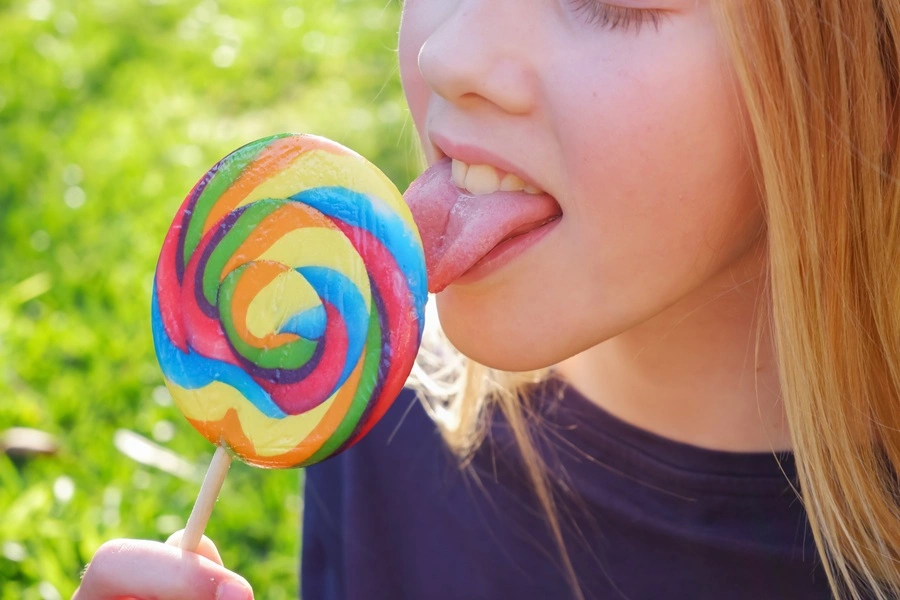 A survey by Innova shows 67% of consumers globally are limiting artificial additives (including colors) in their diets.From a formulation perspective, Moeller at ADM describes achieving the desired vibrancy, intensity, stability, and consistency in natural colors as “critical.”
ADM uses its advanced color formulation technologies, like extraction, deodorization, and emulsion, to carefully manage variables like heat and light exposure “to optimize performance.” It also evaluates factors like shade matching, storage conditions, and overall cost efficiency, adds Moeller.
Meanwhile, Dana Osborn, marketing manager at California Natural Color, points to the “complex pigment chemistries” in natural colors that make achieving consistent shades more demanding than with synthetics, which are engineered for uniformity.
“Optimizing natural color performance requires precise control over extraction, formulation, and application to ensure reliable results throughout food processing and storage,” she explains.
Sourcing hurdles test natural color supply
Sourcing raw materials for color solutions introduces “additional complexity” due to agricultural variability, which can impact consistency and supply reliability, says Moeller. Companies can mitigate this through diversified sourcing strategies and secure access to high-quality raw materials derived from fruits, vegetables, and botanicals.
Dependency on climate and weather conditions also poses sourcing hurdles to natural colors, since variations can impact pigment concentration, Pauleau at Givaudan Sense Colour explains. “For example, if it’s too wet, the pigment concentration in red beets is lower, and if it is too dry, beets do not grow properly.”
“To meet annual business requirements, the procurement of seasonally grown natural ingredients requires significant planning months or sometimes years in advance of a crop production,” she adds.
 Switching to natural colors poses challenges in stability and cost which can be addressed through direct grower partnerships and formulation technologies, says Hélène Moeller.For its plant-based Exberry colors, GNT maintains supply stability and consistent results from year to year through a “resilient global supply chain, working with the majority of our farmers on contracts,” says Raaijmakers.
The company is supporting start-ups to unlock new and improved plant-based coloring solutions through its independent investment firm, GNT Ventures.
Leveraging tech to propel natural color innovation
Companies are exploring improved extraction and formulation methods to overcome technical and supply barriers in natural color formulation.
California Natural Color’s crystal color technology converts a “highly variable raw material extract into a purified and concentrated crystal form,” Osborn notes. It also offers “five to ten times” higher color concentration than liquid alternatives.
“This innovative drying process ensures consistent color expression from batch to batch and enables very low use rates in products — typically around 0.02% or less. Crystals are easy to implement in production thanks to their excellent flowability, low dusting, and rapid solubility, making them practical for diverse formulations.”
 California Natural Color’s crystals offer easy handling with strong flowability, low dusting, and rapid solubility for versatile formulations, says Dana Osborn.GNT uses raw materials, including carrots, sweet potatoes, radishes, turmeric, spirulina, and blackcurrants to develop its Exberry colors. “We use methods, such as filtration, to increase and standardize the pigment concentration to deliver vibrant and stable shades,” Raaijmakers says.
Beetroot Red, Phytolon’s “first fermentation-based color” is FDA-approved, developed using a precision fermentation platform rather than conventional crop extraction, says Shahaf.
“This technology uses yeast strains to biosynthetically produce betalain pigments in controlled fermentation systems, enabling vibrant pink-to-purple hues with better performance characteristics compared to traditional plant-extracted colors.”
Givaudan Sense Colour uses simple extraction methods, such as water extraction or juicing, to develop its Amaize color solutions, a proprietary line of “non-GM corn-based anthocyanins that can replace Allura Red/Red 40,” says Pauleau.
Annatto (yellows and oranges extracted in-house in North America), emSeal (yellow and orange natural color emulsions), Everzure Blues (phycocyanin blues), Vegebrite (clean label coloring foods), and michroma (micro-milled powders with vibrant color expression) are some of the company’s other innovations.
ADM uses its proprietary technology to develop a fruit-derived blue color solution, sourced from the Amazonian huito fruit, which is “acid stable and will not shift shade in both low and high pH systems,” Moeller explains.
 Adam Shahaf: Phytolon uses precision fermentation to produce sustainable pigments, reducing land use, and improving yield.“Our extraction, deodorization, and masking technologies ensure our shades do not have inherent off-notes or off-aromas. Our extraction technology provides further stability by removing starches, sugars, and proteins from colors derived from natural sources.”
Biotechnology drives future natural color NPD
Pauleau at Givaudan Sense Colour expects the next big breakthrough in natural colors to be led by biotechnology — delivering a “better, cleaner, and more enticing” food experience for consumers.
“In principle, there are many colors you can find in the world of microorganisms, and we are actively exploring these possibilities. But in practice, commercializing these products takes time, as there is a long regulatory process for bringing a new food coloring to the market, which is critical to ensure safety,” she says.
Describing the shift from synthetics to biotech-enabled natural colors as “exciting,” Shahaf says the transition will increase manufacturers’ confidence in their supply and color innovation. “Phytolon Prickly Pear Yellow (currently under regulatory review) is next in our pipeline, enabling a meaningful expansion of high-performance natural color solutions.”