



US Food Labeling Modernization Act proposes standardized front-of-pack labels and clearer ingredient disclosures


Key takeaways
- US lawmakers reintroduce the Food Labeling Modernization Act, proposing updated serving sizes, clearer nutrition information, improved allergen disclosures, and front-of-pack labels.
- The bill addresses growing scrutiny around ultra-processed foods, seeking standardized definitions and greater transparency around food claims and ingredients.
- The legislation reflects wider US nutrition policy shifts, including FDA labeling efforts and renewed focus on diet-related health outcomes.

Calls for clearer, more transparent food labels in the US are gaining momentum, as consumers increasingly seek straightforward information about the nutritional quality and ingredients in the foods they buy.
Against this backdrop, lawmakers have introduced the latest version of a long-running food labeling reform proposal aimed at modernizing US food labeling requirements, updating standards that many believe no longer reflect today’s food marketplace or consumer expectations.
Last week, Senators Richard Blumenthal (D-Conn.) and Cory Booker (D-N.J.) outlined their reforms for a more transparent food labeling system through the Food Labeling Modernization Act (FLMA) of 2026, which seeks to address longstanding concerns around nutrition information and ingredient disclosure.
This legislation, announced late last month, aims to significantly reform food labeling requirements across the US, and update federal labeling standards that lawmakers say have failed to keep pace with changes in the F&B industry and consumer expectations over the past three decades.
Many of the current food labeling requirements under the Federal Food, Drug, and Cosmetic Act have remained largely unchanged for more than 35 years, with some provisions dating back to 1938.
The 2026 version of the Food Labeling Modernization Act builds on a decade-long effort to reform US food labeling rules. Earlier versions of the proposal were introduced in previous congressional sessions, including a 2023 Senate version, before the latest House and Senate iterations were brought forward in 2026.
The push for clearer on-pack communication
The senators argue that outdated regulations have created confusion for consumers by allowing inconsistent serving sizes, unclear ingredient listings, and marketing claims that can make highly processed foods appear healthier than they actually are.
One of the bill’s central provisions is the creation of a single, standardized front-of-package nutrition labeling system for packaged foods.
The legislation directs the Secretary of Health and Human Services to establish a uniform labeling format designed to make it easier for consumers to quickly evaluate a product’s nutritional value while shopping.
The proposal builds on recent FDA efforts to modernize nutrition labeling and improve transparency for consumers.
The legislation also calls for updated serving sizes that better reflect current eating habits, clearer allergen disclosures, and more transparent nutritional information.
Food labeling confusion
Supporters of the bill say these labeling changes will help consumers make better-informed purchasing decisions and reduce misleading marketing practices.
Another major feature of the proposal is the introduction of standardized definitions for terms such as “ultra-processed” and “not ultra-processed.”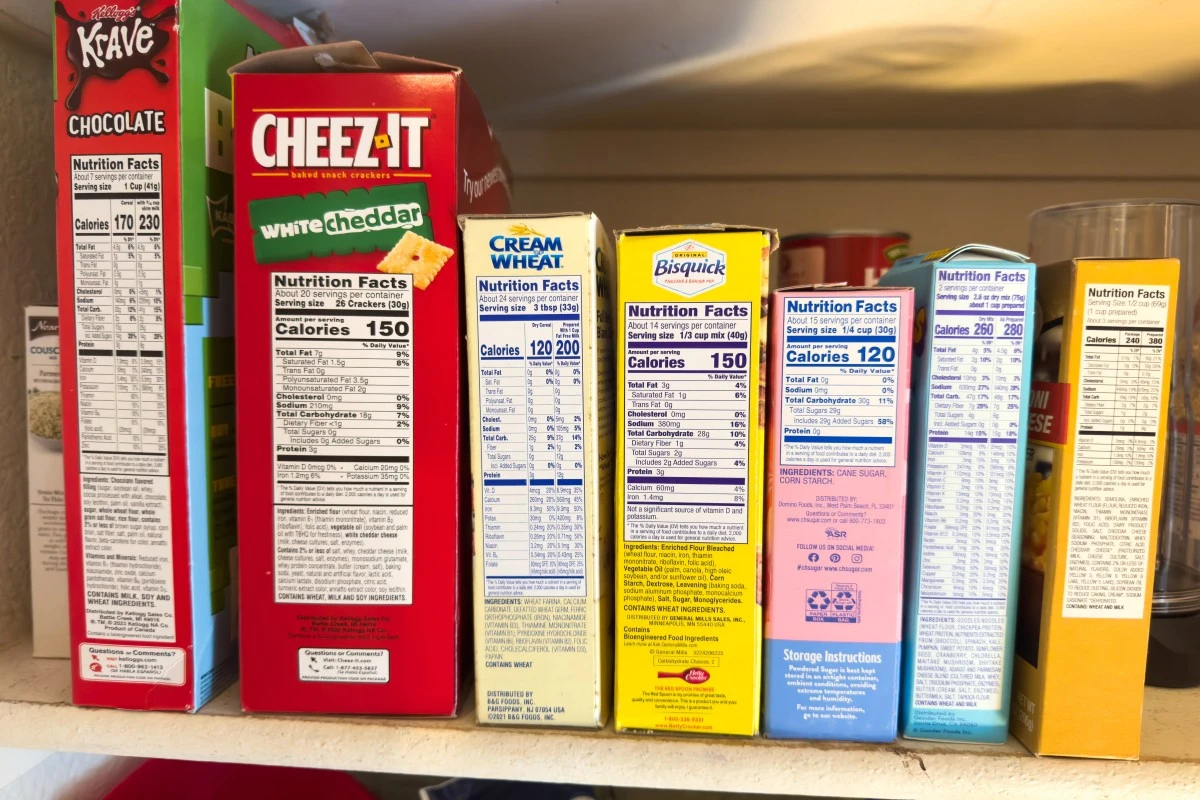 The bill aims to reduce consumer confusion through clearer ingredient lists, updated serving sizes and standardized front-of-pack nutrition labels.
As food manufacturers increasingly market products using these descriptions, lawmakers argue that the absence of federal definitions has created confusion.
The bill would require the FDA to establish official standards governing the use of these claims, preventing companies from applying them inconsistently or in ways that could mislead consumers.
The legislation arrives as ultra-processed foods have become a major focus of the US nutrition debate, driven by studies associating them with obesity, cardiovascular disease, and type 2 diabetes, as well as recent federal efforts to phase out synthetic food dyes and improve front-of-pack nutrition labeling.
The bill also comes amid growing political focus on food ingredients and diet-related disease under the Trump administration’s Make America Healthy Again agenda, which has renewed attention on ultra-processed foods and ingredient transparency.
The proposal aligns with broader federal efforts to improve diets, including work on the next edition of the Dietary Guidelines for Americans, which continues to emphasize healthier dietary patterns and greater nutrition awareness.
Buying groceries online
The legislation also addresses the growing popularity of online grocery shopping by requiring that the same nutrition and ingredient information available on physical packaging also be displayed to consumers purchasing food online.
This provision is intended to ensure that shoppers have access to identical product information regardless of how they buy their groceries.
Supporters of the bill, including the Center for Science in the Public Interest (CSPI), say the proposal represents the most comprehensive effort to modernize US food labeling in decades.
CSPI noted that the legislation would also strengthen ingredient disclosure requirements by limiting the use of broad, catch-all terms such as “artificial flavor,” “natural flavor,” and “spices,” making ingredient lists more transparent.
Additional provisions would improve disclosures related to gluten, whole grains, fruits and vegetables, and establish clearer standards for front-of-package nutrition warnings on foods high in nutrients of concern.
“Federal food labeling laws are not aligned with the transparency that Americans from across the political spectrum are demanding,” says CSPI senior policy scientist Eva Greenthal. “It’s time for congress to pass bold legislation that will give people the information they need to make healthy choices.”
Boosting nutrition transparency
Senator Booker echoed those concerns, arguing that some food companies have long used labeling practices that make unhealthy products appear more nutritious than they are.
The senate legislation follows companion legislation introduced earlier this year in the House of Representatives by Representatives Frank Pallone Jr. (D-N.J.) and Rosa DeLauro (D-Conn.), signaling continued congressional interest in comprehensive food labeling reform.
Although the bill must still move through the congressional legislative process before it can become law, its introduction reflects growing congressional attention to nutrition transparency, processed foods, and consumer access to clearer food information.
If enacted, the Food Labeling Modernization Act would represent one of the most significant overhauls to US food labeling policy in more than 30 years, with broad implications for food manufacturers, retailers, regulators, and consumers.