



“Protein nationalism”: How geopolitics is reshaping the global ingredients market

Key takeaways
- Eurasia Group identifies a rise in “protein nationalism,” as governments use trade policies and investment to secure domestic supplies.
- The report warns that rising demand and geopolitical disruption are increasing pressure on protein supply chains and ingredient costs.
- China’s push for protein self-sufficiency could reshape global trade and create new challenges for ingredient sourcing.
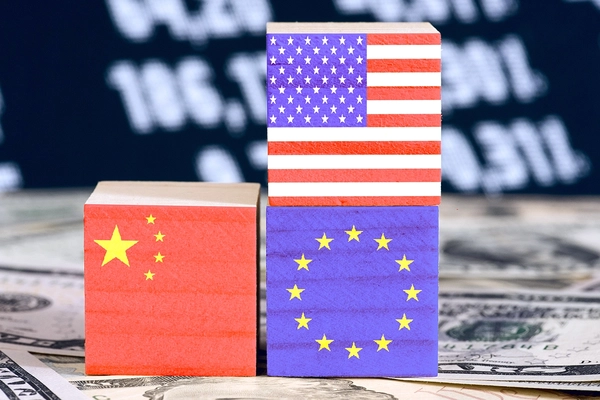
Protein has become much more than a nutritional selling point. As demand for high-protein foods accelerates, governments are increasingly treating the production and supply of protein as a strategic national interest, opening up a new geopolitical battleground with significant implications for food manufacturers.
A new Eurasia Group report, “The Rise of Protein Nationalism,” describes how governments are using domestic production, trade controls, and investment to secure protein supplies and gain geopolitical leverage — a shift it defines as “the use of state control over production capacity and exports as a political lever within and between countries.”
For the F&B industry, the implications extend well beyond meat production. As manufacturers seek to capitalize on growing consumer demand for protein, the countries supplying their ingredients are increasingly pursuing their own strategic objectives.
Protein becomes a political commodity
The growing political interest in protein is being driven by a combination of consumer trends and geopolitical pressures.
War in Ukraine, tensions in the Middle East, and disruption around the Strait of Hormuz are exposing the vulnerability of global agricultural supply chains, particularly their dependence on internationally traded energy, fertilizers, and raw materials.
With fertilizer production heavily reliant on natural gas and food manufacturing exposed to rising energy, transport and logistics costs, geopolitical instability is increasingly feeding directly into the economics of food production.
For governments, this is strengthening the case for greater domestic food production and reduced reliance on foreign suppliers, finds the report.
Propelling protein consumption
Meanwhile, high-protein diets have moved into the mainstream, fueled by social media, fitness culture, changing dietary recommendations, and the growing popularity of functional nutrition.
Aging populations and the expansion of middle-class consumers in emerging markets are also expected to sustain demand. The growing use of GLP-1 weight-loss medications is adding another dimension, with users often encouraged to prioritize protein intake to help preserve muscle mass. China is prioritizing protein self-sufficiency to strengthen national security, reduce import dependence, and build export capacity.
The US provides a particularly clear example of protein becoming a political issue. The report points to the 2025–2030 Dietary Guidelines for Americans as evidence of the growing influence of the Make America Healthy Again movement on nutrition policy.
The guidelines raise the recommended daily protein intake to 1.2–1.6 g per kilogram of body weight, from the previous reference level of 0.8 g, while placing greater emphasis on animal protein and full-fat dairy.
Eurasia Group argues that the policy shift has implications beyond public health, helping to embed higher-protein consumption into federal programs, including school meals, military rations, and food assistance, while supporting the administration’s wider efforts to stimulate domestic demand for beef.
But rising demand and government ambitions to boost domestic protein production are creating pressure on supply chains, with production capacity often struggling to keep pace. The resulting shortages and price volatility are already reshaping ingredient markets.
Whey offers a particularly relevant example. Once regarded largely as a low-value byproduct of cheese production, it has become a sought-after commodity as demand for protein powders and fortified foods has increased.
The result is growing government interest in securing domestic protein supplies, reducing import dependence and establishing competitive advantages in emerging production technologies.
As the report puts it: “Protein is increasingly the defining commodity of food sovereignty, with protein supply becoming an effective lever for governments to flex their muscles.”
China and the US
China is a significant example of how protein is becoming intertwined with national security. Having become the world’s largest importer of meat, dairy, and animal feed, China is now seeking to reverse its dependence on overseas supplies.
Its 15th Five-Year Plan, covering 2026–2030, places food security close to defense as a national priority. The strategy includes investment in genetically modified seeds, agricultural land expansion, precision fermentation, cellular agriculture, and biomanufacturing. The report highlights China’s longer-term objective of developing export capacity in poultry, dairy, eggs, aquatic products, and alternative protein ingredients.
Such a shift could have significant consequences for existing exporters, particularly Brazil, Argentina, the US, Australia, and New Zealand. Reduced Chinese demand for imported soy and animal feed would affect established agricultural trade flows, while state-backed Chinese producers could eventually become competitors in international protein markets.
In the US, protein policy is taking a different but equally political direction.
The Trump administration is using its support for domestic beef production as part of a wider effort to strengthen relationships with farmers and ranchers. Its Ranchers First Initiative and Plan for American Ranchers and Consumers aim to increase the US cattle herd through measures including loan guarantees and expanded grazing access.
The report also highlights how beef imports have become a tool of international diplomacy. Expanded tariff-free quotas for Argentina have coincided with the Trump administration’s efforts to support President Javier Milei, while subsequent import concessions involving Brazil have been presented as a means of easing domestic beef prices.
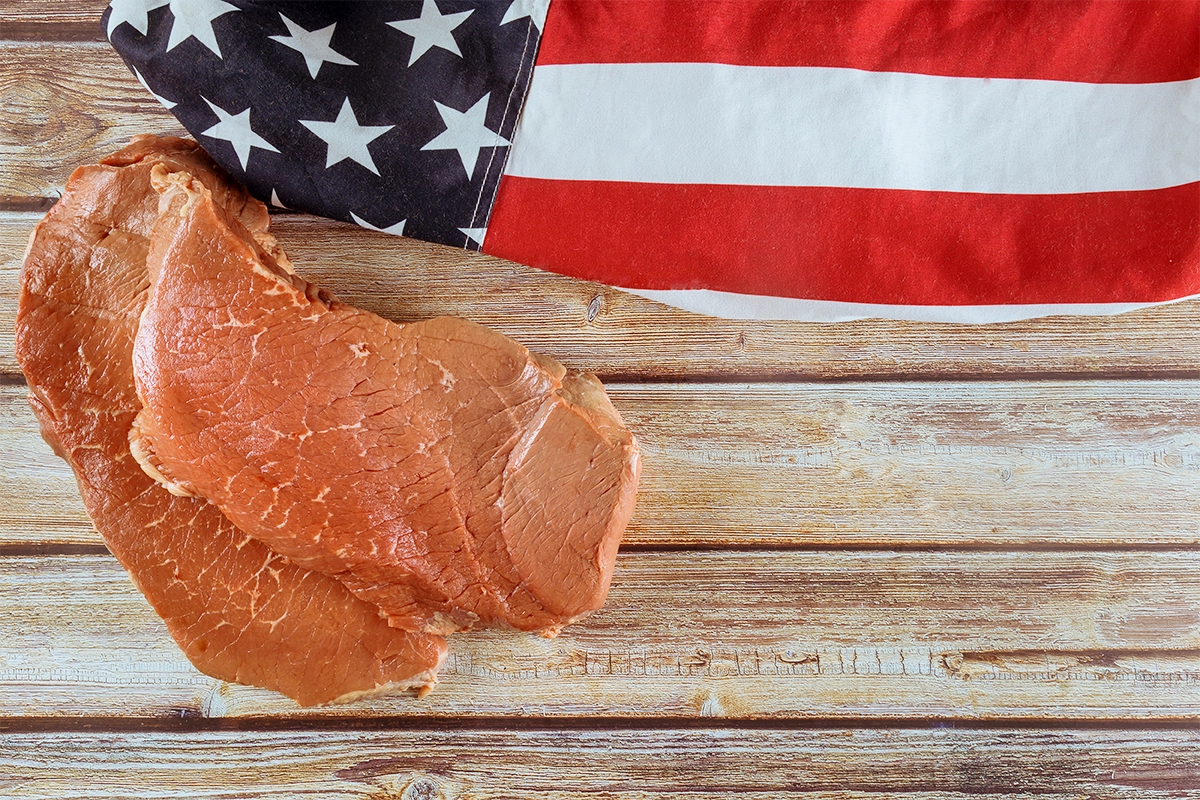 The Trump administration is supporting domestic beef production to strengthen ties with ranchers and boost the US cattle.
What “protein nationalism” means for ingredient sourcing
For F&B manufacturers, the emergence of “protein nationalism” could make ingredient sourcing increasingly exposed to geopolitical risk.
The report identifies a range of government strategies, from the EU’s Protein Plan, which aims to increase domestic protein production for animal feed, to Canada’s ambition to develop its existing pea protein industry into a more integrated domestic processing and export sector.
The Netherlands, Denmark, the UK, and South Korea are also investing in alternative protein technologies, seeking to establish themselves as leaders in plant-based, fermentation-derived, and cultivated protein production.
This means manufacturers could increasingly find themselves navigating different national priorities depending on their chosen ingredient.
Dairy-derived proteins, such as whey, are exposed to the economics of milk production and cheese processing, while soy and pea ingredients are linked to agricultural trade flows and domestic crop policies.
Fermentation-derived and cultivated proteins, meanwhile, are becoming part of government strategies around biotechnology, industrial competitiveness, and food security.
The road to 2030
Looking toward 2030, Eurasia Group considers sustained “protein nationalism” its most likely scenario, assigning it a probability of approximately 60%.
Under this scenario, governments introduce further export restrictions and domestic supply policies, while China reduces its reliance on imported soy and animal feed. Diverging regulatory standards between the US and China could also complicate the international development of alternative proteins.
The report identifies capital-rich countries, sovereign-backed companies, and domestic producers in large markets as potential winners. Import-dependent low-income countries and multinational food companies face greater exposure.
Importantly, the report does not anticipate alternative proteins displacing conventional animal agriculture in the near term. It estimates that animal protein will remain dominant through 2030, reflecting persistent production-cost advantages and consumer preferences.
Nevertheless, the strategic importance of alternative proteins is growing, particularly as governments seek to develop domestic technologies and reduce dependence on imported agricultural inputs.
For manufacturers, the challenge will be balancing the commercial opportunities created by the protein boom against an increasingly fragmented global supply landscape.