




“High protein no longer enough”: Industry targets nutrition, functionality and taste

Key takeaways
- Consumers increasingly expect broader nutritional benefits, including satiety, healthy aging, muscle health, and everyday well-being, rather than simply high-protein claims.
- Hybrid formulations, fermented proteins, and advances in ingredient technology are creating new opportunities to improve nutritional quality, functionality, and sustainability.
- Successful products must balance nutritional benefits with appealing taste, texture, convenience, and affordability to encourage repeat purchases.
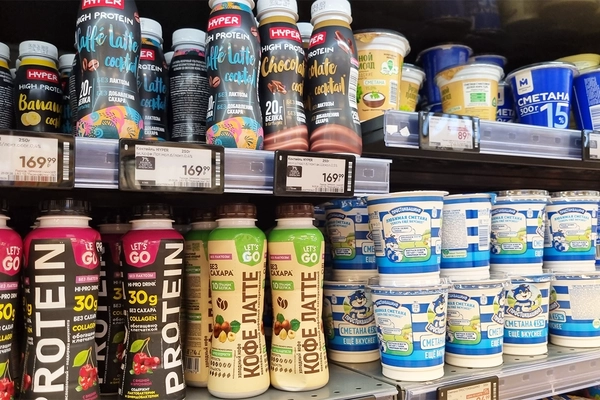
Protein is moving beyond sports nutrition and high-protein claims to become a central pillar of everyday nutrition. As demand expands across health, healthy aging, weight management, and convenience, ingredient innovation, protein blending, and improved sensory performance are opening new opportunities for food and beverage manufacturers.
Protein has firmly established itself as one of the defining ingredients of the modern F&B landscape. Once largely associated with sports nutrition and muscle building, it is now a mainstream nutritional consideration, finding its way into everything from everyday dairy products and snacks to beverages, bakery, and convenient meal solutions.
But as protein-enriched products become increasingly commonplace, the market is entering a new phase. Simply adding more protein is no longer enough. Consumers are becoming more discerning, seeking products that deliver meaningful nutritional benefits while also satisfying expectations around taste, texture, convenience, affordability, and sustainability.
Beyond protein content: Consumers demands evolve
For manufacturers and ingredient suppliers, this shift is creating opportunities to rethink how protein is sourced, formulated, and communicated. Valio, Cosun Ingredients, and Planteneers discuss the latest trends and market dynamics in the protein space.
“The protein boom shows no signs of slowing down, but consumer expectations are changing rapidly too,” says Susanna Lönnblad, business development manager at Valio.
“As protein-enriched foods become the norm across everyday food and beverage categories, high protein alone is no longer enough. Consumers want more nutritional value in every bite or sip, with multiple benefits that support their health and lifestyles.”
Dr. Dorotea Pein, director of Technology and Innovation at Planteneers, similarly identifies a broader shift toward holistic well-being. “Nutrition is increasingly evolving into a holistic approach. Satiety, nutrient density, gut and muscle health, mental fitness, enjoyment, and convenience are all considered in an interconnected way.”
“Consumers want not only a long life, but above all, a long, healthy life — with mental fitness, energy, mobility, and independence. Even young people are already taking preventive steps to invest in longevity. Against this backdrop, high-protein products are no longer limited to sports nutrition. With topics such as healthy aging, muscle health, and satiety, protein has entered the mainstream.”
Michiel Pronk, sales lead for Protein at Cosun Ingredients also highlights how protein has moved beyond its traditional sports nutrition positioning.
“Consumers are no longer satisfied with simply adding more protein. They expect great taste, clean labels, convenience, and products that fit into everyday eating occasions,” he tells us.
“This creates opportunities for manufacturers to incorporate protein into a much wider range of products, from beverages and snacks to bakery and dairy alternatives. As an ingredient supplier, we see increasing demand for proteins that combine nutritional value with excellent functionality and consumer-friendly sensory performance.”
From protein quantity to nutritional quality
One of the biggest changes shaping the market is the growing demand for protein that delivers more than a single nutritional benefit.
As healthy aging, muscle maintenance, weight management and everyday vitality are becoming increasingly important considerations across consumer groups, protein is consequently being positioned as an ingredient for different life stages and lifestyles, rather than exclusively for athletes and fitness enthusiasts. High-protein beverages are gaining momentum as consumers seek convenient, nutrient-rich drinks with great taste and functionality.
Pein at Planteneers points to the growing interest in longevity and preventive nutrition, noting that younger consumers are also taking an active interest in nutrition that supports their long-term well-being.
The rise of GLP-1 weight-management medications is another influence on product development. As appetite and portion sizes become increasingly important considerations for some consumers, there is growing interest in nutrient-dense foods and drinks that deliver meaningful nutritional value in smaller servings.
Planteneers see this as a catalyst for the development of fortified drinks and convenient mini-meals.
Pein also highlights how consumers want personalized nutrition tailored to their needs. “When it comes to plant-based proteins, the focus will be on the specific amino acid profiles and the benefits that can be derived from them. In addition to plant-based proteins, fermented proteins are also rapidly gaining importance.”
“Furthermore, hybrid products are increasingly in demand. Combinations of conventional meat with vegetables, plant-based proteins, mycoproteins, or cultured meat are steadily gaining acceptance among consumers. And for good reason: hybrid products offer the familiar taste and texture of meat, fish, and dairy products — while providing an improved cost structure, reduced environmental impact, and additional nutritional or functional benefits,” she says.
The rise of hybrid proteins
For Valio, hybrid proteins products are emerging as a promising commercial opportunity as consumers look for products that combine “the best of both worlds,” according to Lönnblad.
“By bringing together dairy and plant-based proteins, manufacturers can draw on the complementary strengths of different sources to achieve high nutritional quality, excellent functionality and appealing sensory properties, all in the same product and every bite or sip.”
“Hybrid solutions also offer opportunities to appeal to consumers with different dietary preferences without compromising on enjoyment. Beyond hybrids, innovations such as precision fermentation and microbial proteins could introduce entirely new possibilities for ingredient development. The future of protein innovation is not about one source replacing another, but about using different sources and technologies to create better, more versatile protein-rich products.”
Pronk at Cosun Ingredients also anticipates growth opportunities for hybrid proteins, but also sees strong momentum in nutritional beverages, healthy snacking, and protein-enriched everyday foods.
“Ready-to-mix drinks, RTD beverages, and nutrition-focused products continue to grow as consumers seek convenient ways to increase protein intake. At the same time, bakery products, bars, and snacks are becoming important vehicles for protein fortification,” he says.
“Rather than one category dominating, protein is increasingly becoming relevant across the entire food and beverage landscape.”
 Dairy products are increasingly incorporating protein to meet growing consumer demand for everyday foods that support nutritional needs.
Making protein claims count
As protein claims become increasingly common, brands will need to work harder to differentiate their products.
Simply highlighting a high protein content is unlikely to provide a compelling proposition in an increasingly crowded market. Consumers want to understand where protein comes from, how much a product contains and, importantly, what it does for them.
Lönnblad at Valio believes transparency and clarity should underpin communication.
“Consumers increasingly want to know exactly what they’re getting: where the protein comes from, how much protein the product contains per serving and what nutritional purpose it serves.”
She argues that brands should move beyond the question of quantity and help consumers understand which protein is appropriate for their individual needs.
Cosun Ingredients shares this view, emphasizing the importance of connecting protein with tangible benefits such as satiety, active lifestyles, healthy aging, and overall nutritional quality.
For Planteneers, the focus should be broader still. Protein needs to be considered alongside dietary fiber, micronutrients, enjoyment, and taste.
As Pein puts it: “High protein alone no longer offers any added value these days. Only the interplay of the various components fulfills the desire for holistic well-being.”
The next frontier for protein innovation
The protein market is expected to become increasingly sophisticated, with ingredient technology, targeted nutrition, and sustainability shaping the next wave of innovation.
Valio identifies two major opportunity areas: optimized nutrition and what it describes as permissible indulgence.
“Optimized nutrition is about moving toward more purposeful nutrition, where solutions are designed around individual needs rather than a one-size-fits-all approach. Whether the goal is weight management, recovery, healthy aging, or everyday vitality, consumers will increasingly expect nutrition to work harder for them and fit seamlessly into their daily lives,” Lönnblad says.
“At the same time, we see a significant opportunity to reimagine indulgence. The future does not have to be about choosing between enjoyment and nutrition. Through innovation, products such as ice creams, desserts, chocolates, and baked goods can deliver the taste and sensory experience consumers love, while also offering high-quality protein, less sugar, and other meaningful nutritional benefits.”
“The next wave of growth will come from breaking down the traditional boundaries between health, functionality, and enjoyment. The companies that succeed will be those that use the full potential of protein to make better nutrition more personalized, more enjoyable, and more relevant to everyday life.”
Cosun Ingredients expects continued improvements in plant protein taste and functionality, further growth of hybrid formulations, increasing consumer focus on healthy aging, and greater demand for sustainable ingredient sourcing.
“At the same time, manufacturers will look for proteins that deliver both nutritional value and operational simplicity. Ingredients that combine strong functionality, reliable supply chains, and broad consumer acceptance will be best positioned for success,” Pronk concludes.