


Strait of Hormuz crisis: UN FAO warns of “increasingly visible” fertilizer and production shocks

Key takeaways
- The FAO warns that the Strait of Hormuz crisis is creating a fertilizer and farm production shock that is raising costs and affecting planting decisions worldwide.
- Director-General Qu Dongyu said the disruption is a global food security risk because a large share of the world’s fertilizer and sulfur exports pass through the strait.
- Farmers are already responding by cutting investment, reconsidering crop choices, and reducing fertilizer use, raising concerns about lower yields later this year.
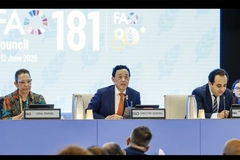 FAO director-general Qu Dongyu at the 181st Session of the FAO Council.
The greatest risk of the Strait of Hormuz closure for the agri-food industry is not an immediate food shortage, but a fertilizer and production shock. This was the opinion of the UN FAO’s director-general, Qu Dongyu, speaking at the 181st Session of the FAO Council (June 8–12). As the crisis hit its 100-day mark, he said the effects of the crisis on farmers globally are “increasingly visible.”
Dongyu gave recommendations for countries to address the impacts of the Strait of Hormuz crisis, particularly “the urgent need for efficient fertilizer use” as global agri-food systems face “unprecedented challenges.” Farmers across Asia, Africa, and Latin America are grappling with higher production costs and “difficult choices regarding fertilizer use and crop decisions,” he said.

The FAO has launched a recommendations package for immediate, medium, and long-term actions. “In the immediate term, we have called for keeping trade open, avoiding export restrictions on all agricultural inputs, protecting humanitarian food corridors, and securing alternative logistics routes,” Dongyu explained.
“The closure of the Strait of Hormuz is not a regional issue — it is a global food security risk,” Dongyu warned, noting that around 35% of global crude oil exports, 20% of liquefied natural gas exports, 20–30% of global fertilizer exports, and approximately 50% of global sulfur exports transit through this critical chokepoint. These essential flows are “vital for food production, affecting energy and agricultural inputs significantly.”
The FAO is working to enhance fertilizer use efficiently through initiatives like soil mapping and precision agriculture. “We are promoting intercropping systems to reduce dependence on nitrogen fertilizers,” Dongyu added. The FAO indicated that it is also actively working to develop innovation funds for alternative fertilizers, such as green ammonia and biofertilizers.
The director-general also noted that El Niño-related weather risks later this year could further threaten food production and food security in countries already facing severe food crises. The FAO has repeatedly escalated its warnings regarding the impacts of the Strait of Hormuz crisis over recent weeks, with its alerts becoming markedly more severe.
Farmers globally feel the fertilizer shortages
The fertilizer shortage is affecting how farmers operate, invest, and plant — not just what they pay for inputs. Brazil has emerged as one of the clearest pressure points.
Reuters reported this week that soaring fertilizer import costs, weak crop margins, and rising debt are forcing farmers to reassess expansion plans ahead of the country’s September planting season.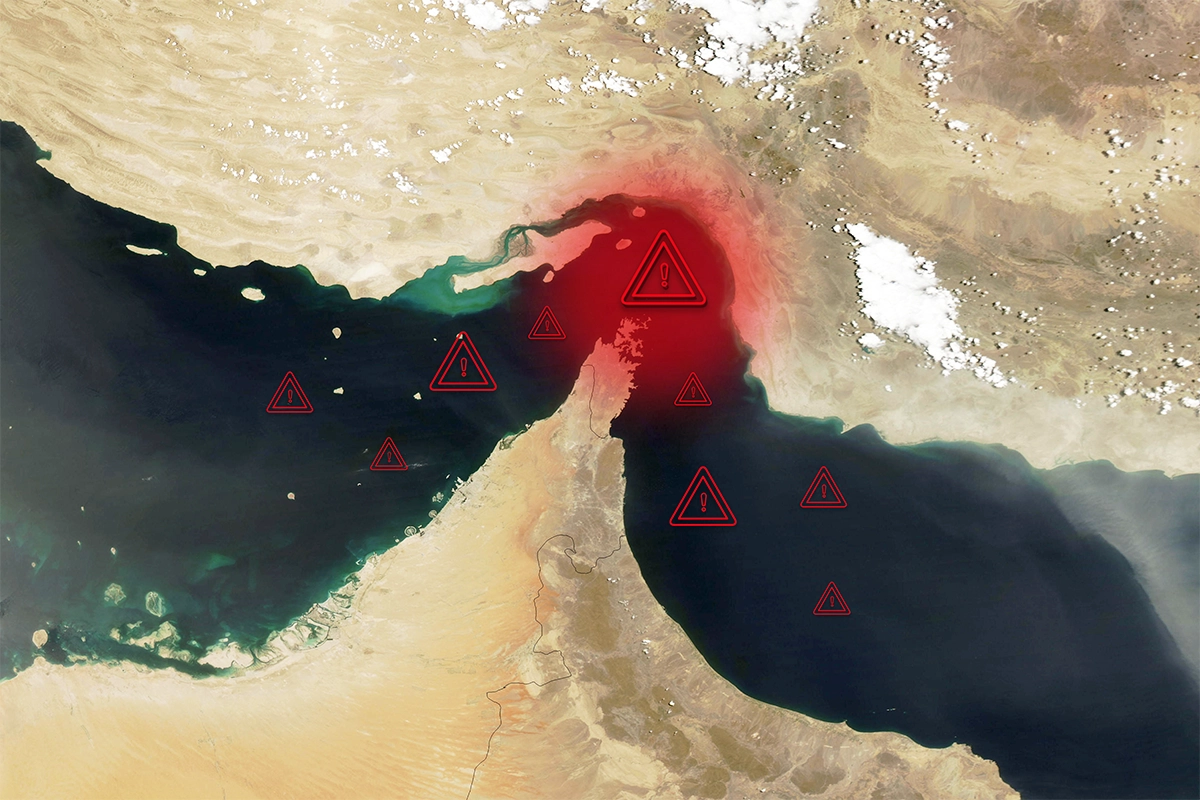 Fertilizer supplies moving through the Strait of Hormuz are under pressure, raising concerns over crop yields, farm costs, and global food security.
Some experts say the impact extends beyond higher costs. “The pace of agricultural expansion in Brazil will likely slow,” Purdue University economist Joana Colussi told Reuters, noting that farmers are increasingly directing cash toward fertilizer and other essential inputs instead of land purchases or equipment investments.
The shortage is also influencing planting decisions. Reuters reported that some growers are considering reducing fertilizer application rates or shifting to less input-intensive crops to preserve cash flow. Analysts warn that lower fertilizer use could ultimately reduce yields and tighten food supplies later this year.
Similar concerns are emerging elsewhere. Across Asia, Reuters reported last week that fertilizer shortages and higher fuel costs are contributing to delayed planting and concerns about weaker harvests, particularly as hotter and drier weather linked to El Niño adds further pressure.
In the US, farmers are responding by fine-tuning fertilizer applications, postponing purchases, and stretching equipment life to manage rising costs. Industry participants warn that if fertilizer prices remain elevated, profitability and future production could be affected.
The key shift over recent weeks is that fertilizer shortages are no longer viewed solely as a supply chain issue. Farmers are now changing business decisions in real time — slowing expansion, reducing investment, and reconsidering crop plans as higher input costs squeeze margins.
Can Africa become the world’s new breadbasket?
FAO members identified specific priorities at the 181st Session of the FAO Council, which aims to assess the outcomes of the 2026 FAO Regional Ministerial Conferences.
The FAO suggests that in Africa “the narrative is shifting from challenges to opportunities,” with the continent “holding 60% of the world’s uncultivated arable land and the youngest population globally.”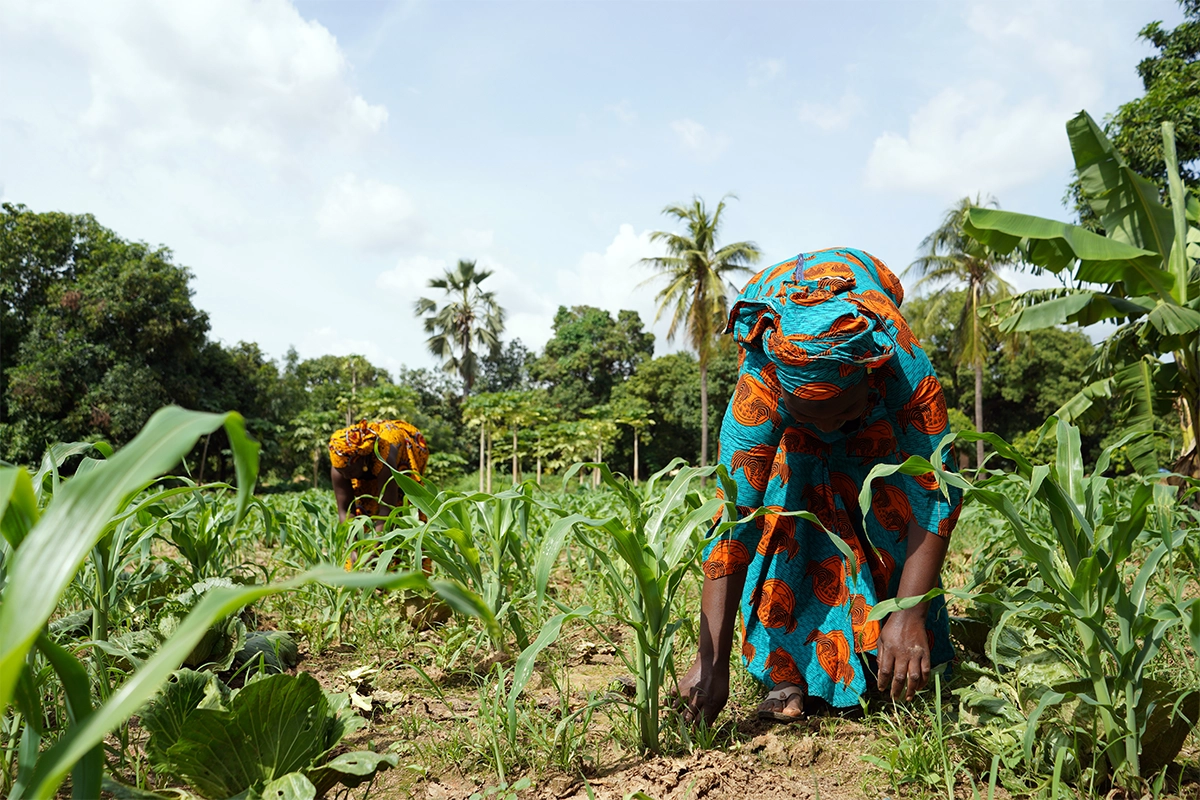 The FAO says Africa’s vast agricultural potential and young population could help transform the continent into a major food producer.
Dongyu emphasized the potential for Africa to become a breadbasket for the world, and urged support for the AU Kampala Strategy to mobilize US$100 billion, boost agri-food output by 45%, and triple intra-African agricultural trade.
In December 2025, the FAO launched its first Global Emergency and Resilience Appeal, aiming to reach 100 million people by 2026. As of the end of May, the appeal had received US$206 million against the required US$2.5 billion — approximately 8% of what is needed. “While the resources received are making a difference, they also remind us of the scale of the challenge ahead,” Dongyu said.
In Sudan, the FAO and its partners have vaccinated more than 6.2 million livestock across 17 states, helping protect the livelihoods and food security of around 1.9 million people. “In Gaza, emergency livestock feed support provided to over 2,200 herders has enabled families to maintain their herds and continue producing food,” Dongyu added.
In Asia-Pacific, where over half of the world’s population resides, the FAO says it continues to harness agricultural capacities, while ensuring that smallholders benefit from technological advancements and trade.
In Latin America and the Caribbean, the FAO’s priority is to protect recent gains in hunger reduction, while addressing “the high costs of healthy diets and persistent rural poverty.” The Near East Regional Conference identified urgent priorities, including climate action, rural transformation, and water scarcity.