

Rethinking portion size, nutrition and sensory satisfaction in the GLP-1 era

Key takeaways
- GLP-1 medications are driving interest in smaller, nutrient-dense food formats that balance protein, fiber, sustained energy, and sensory satisfaction.
- Ingredient suppliers are exploring protein-rich beverages and multifunctional snacks designed to appeal to both GLP-1 users and mainstream consumers.
- Maintaining diet quality, including adequate protein, fiber, hydration, and essential micronutrients, remains a key consideration as food intake decreases.
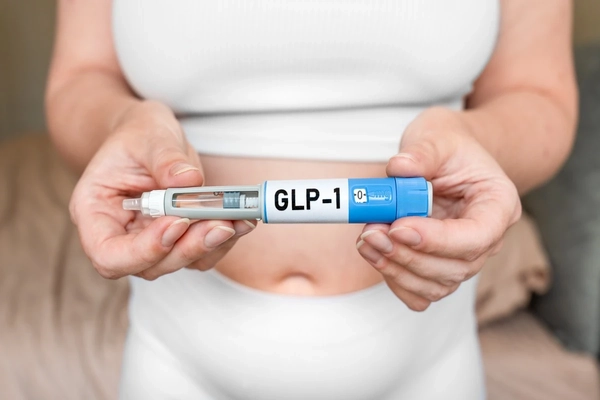
For food and beverage manufacturers responding to the rise of GLP-1 weight-loss medications, the first challenges were relatively clear: consumers eating less may need smaller portions, while products must deliver more nutritional value in every bite.
Protein enrichment, fiber fortification, and portion control have consequently become prominent themes in product development.
But as these priorities become more established, the next challenge is less straightforward: how can manufacturers combine multiple nutritional benefits in compact formats without compromising taste, texture, convenience, or affordability?
Smaller formats, broader appeal
The longer-term opportunity lies in whether F&B products developed in response to reduced appetites can also appeal to consumers who are not taking the medications.

That means looking beyond nutritional composition to the role these products play in everyday eating. This may be a compact snack that can satisfy cravings between meals, a protein-and-fiber drink offering a convenient alternative to a larger eating occasion, or a smaller indulgent bakery product delivering taste and nutritional expectations.
For manufacturers, the evolution of the GLP-1 era and how it continues to reshape industry raises a more complex set of formulation questions. Protein, fiber, and reduced sugar must be considered alongside sustained energy and sensory satisfaction, with different challenges arising across beverages, snacks, mini meals, and bakery.
The task is not simply to make existing products smaller, but to develop formats that consumers — GLP-1 users and non-users — will choose for their own merits.
How to translate those opportunities into meaningful product innovation, however, remains a question for the industry to answer.
The challenge is to establish which formats and combinations of benefits are gaining traction, what ingredient technologies can make them viable, and whether the appeal extends beyond consumers taking GLP-1 medications.
 Ingredient suppliers are developing protein-enriched snacks with functional ingredients that cater to the needs of GLP-1 users while appealing to the broader consumer market.
Bridging GLP-1 and mainstream markets
The potential influence on consumers beyond those taking GLP-1 medications is already informing some ingredient suppliers’ product-development strategies. FrieslandCampina Ingredients, for example, has developed a GLP-1 companion nutrition platform built around higher-protein products in smaller formats, arguing that the medications are also influencing wider perceptions of portion size, appetite, and nutrition.
Its concepts span portion-controlled protein bites, a 100 mL protein shot delivering 20 g of protein, and a soft-baked grain bar combining protein and fiber.
The examples illustrate how suppliers are translating the GLP-1 opportunity into different eating occasions, from compact snacks to convenient beverages, while aiming to retain taste and enjoyment.
FrieslandCampina Ingredients will showcase refreshing protein beverages at the forthcoming SupplySide West 2026 trade show. These include a coconut water-based drink with 30 g of whey protein and B vitamins, and a sparkling, clear protein drink delivering 20 g of protein and 4 g of fiber.
The beverages aim to combine hydration with nutritional benefits in convenient formats, particularly relevant for consumers who may struggle to consume enough fluids while taking GLP-1 medications. The company will further explore the trend during its Innovation Stage session, “How GLP-1s are driving innovation across product categories: supplement, food and beverage opportunities,” taking place at the event.
Protein, fiber, and sustained energy
Beyond protein-rich beverages and compact meal formats, snacks offer another opportunity to develop products that combine multiple nutritional benefits in portion-controlled formats.
While GLP-1 users may be looking for nutrient-dense options that fit reduced appetites, the same attributes could appeal to consumers not taking the medications who want convenient snacks offering more than one benefit.
Justin Solomon, senior marketing director, Savory Foods, ADM, points to growing interest in products that combine protein with fiber, vitamins, minerals, and biotics, saying that fiber is becoming increasingly relevant.
“Protein also remains important, especially in portable products and formats designed to offer greater nutrient density or support health, wellness, and performance goals,” he tells Food Ingredients First.
“These attributes are especially relevant for GLP-1 users, who are looking for added protein and pre-, pro-, and postbiotics while placing greater emphasis on nutrient-dense, portion-controlled snack formats. Gen Z consumers are also showing interest in protein-rich snacks while looking for multiple benefits from a single product.”
As weight-loss medicines reshape food choices, ProVeg International is bringing a new GLP-1 nutrition guide, highlighting the need for nutrition support to keep pace with the growing use of GLP-1 drugs. This is particularly relevant as more oral formats come into the marketplace.
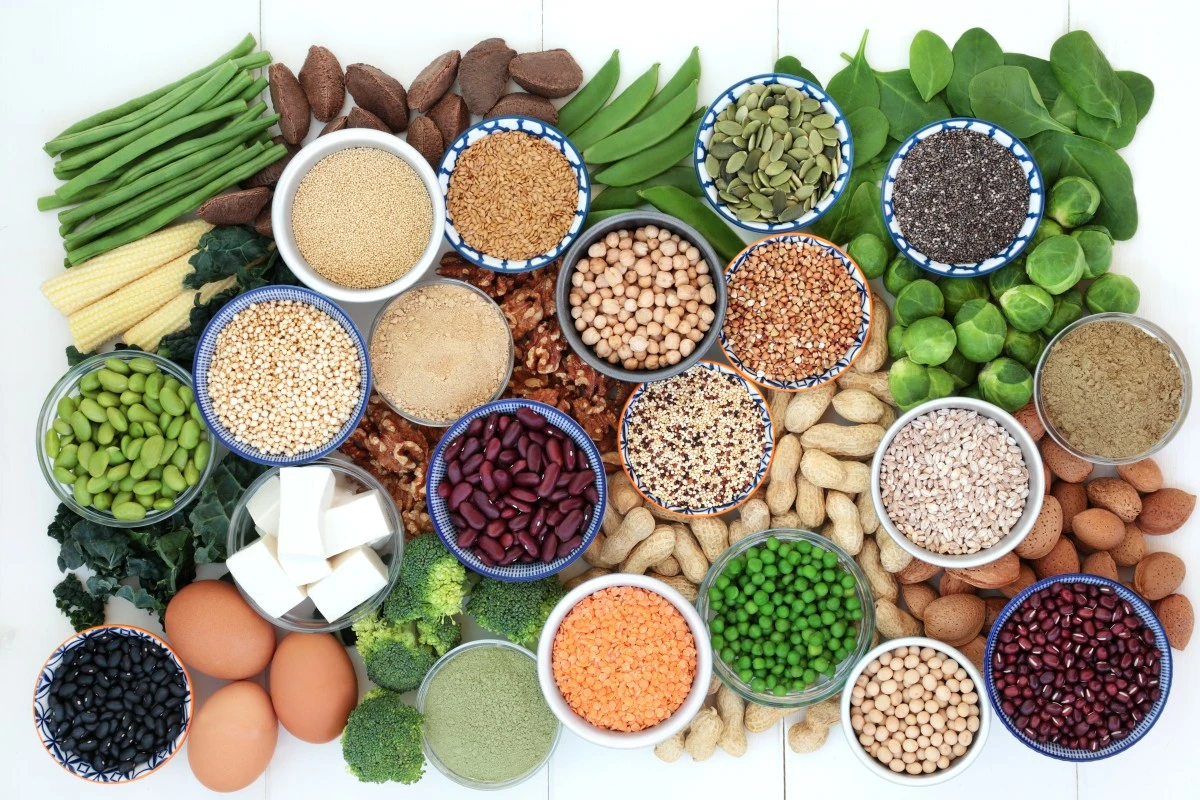 ProVeg International's guide offers practical, plant-based nutrition advice covering protein, fiber, hydration and key micronutrients.
ProVeg guide for better nutrition
The concern is that reduced appetite does not automatically mean better nutrition. ProVeg’s guide urges greater attention to diet quality as GLP-1 consumers adjust to eating less overall, and for food businesses to consider nutritional needs beyond high-protein labels.
Anna-Lena Klapp, head of research at ProVeg International, says the guide provides practical, plant-forward nutrition recommendations on protein, fiber, hydration, and essential micronutrients, while highlighting strategies to help preserve muscle mass.
It is intended to complement, rather than replace, professional clinical care.
“GLP-1 medicines are changing the weight-management landscape in the UK, but reduced appetite does not automatically mean improved nutrition. As more people use these treatments, we need to ensure they have access to practical, evidence-based support that protects diet quality, muscle health, and long-term well-being,” she says.
“This is not about prescribing one way of eating. It is about helping people make every mouthful count with enough protein, fiber, and vital micronutrients, while recognizing that a well-planned, plant-rich diet can offer useful tools for many patients.”