



How will America’s new dietary guidelines reshape product formulation and nutrition policies?

Key takeaways
- The new DGA raises protein intake recommendations, rethinks healthy fats and grains, and explicitly urges limits on “highly-processed” foods.
- IFT says ambiguous terms like “highly processed” need clearer, science-based definitions to guide reformulation, labeling, and compliance.
- Food companies are positioned as essential partners in “food as medicine,” policy implementation, and innovation, while maintaining non-negotiable food safety standards.

As the F&B industry gets to grips with the new 2025–2030 Dietary Guidelines for Americans (DGA), non-profit scientific organization the Institute of Food Technologists (IFT) — which was actively engaged in the public comment process, contributing food science perspectives to inform the review — is leading the debate in what happens next following the notable changes in nutrition and dietary recommendations.
The new DGA, published on January 7, almost doubles daily protein recommendations and urges consumers to avoid “highly processed” foods. IFT says this is an important moment for the food science community to come together and share their reactions and expert views on the DGA.

Following a webinar on the topic last week, the organization speaks with Food Ingredients First about how the DGA report provides food-based recommendations intended to promote health, help prevent diet-related chronic diseases, and meet nutrient needs across the US population. But it also calls for more meaningful collaboration with the broader scientific community “to promote clarity, consistency, and trust in the recommendations and their implementation.”
Because the DGA is quite different from previous editions, notably by explicitly calling out “highly-processed” foods, how stakeholders should interpret and, most importantly, implement the new guidelines will require greater collaboration.
“A big takeaway is the shift in thinking on what would constitute healthy fats, dietary protein levels and protein sources, and amounts and sources of grains, and recommendations to limit alternative sweeteners and “highly-processed” foods. Like previous editions, these guidelines recognize the importance of balanced diets that include whole grains, fiber, fruits and vegetables, and moderation in fats and oils as a proportion of the overall diet,” says Dr. Brendan Niemira, chief science and technology officer.
“These guidelines differ from recent editions in that they do not consider aspects of food access, affordability, equity, or other societal factors that may impact health outcomes related to nutrition.”
“Food is medicine”
“Food is medicine” approaches are increasingly being recognized as beneficial to supporting better health. Viewing diet as a powerful part of healthcare, and knowing that what we eat can help prevent, manage, and sometimes treat disease, not just satisfy hunger, is at the core of the “food as medicine” concept.
Examples of this include eating whole grains, fruits, and vegetables to reduce heart disease risk, following a low-sodium diet to help manage high blood pressure, and medically tailoring meals for people with serious conditions, such as kidney disease or diabetes. Nutrition counseling prescribed by healthcare professionals is also a part of this.
 Alongside almost doubling daily protein recommendation, the new Dietary Guidelines for Americans urges increased consumption of healthy fats, grains, fruits and vegetables.Niemira says that food industry stakeholders are increasingly recognized as essential partners in expanding “food is medicine” efforts — supporting healthier food environments, scaling access to nutrition interventions, and aligning with healthcare delivery.
“There are several areas where industry action matters, including expanding access to affordable, nutritious foods, collaborating with healthcare, government, and community systems, and innovating products and pipelines for clinical nutrition needs, as well as investing in an innovation and research pipeline with science-based solutions.”
Clear and simple
Clarity and consistency in terminology are critical for food and beverage businesses.
The US government says it intentionally made the Dietary Guidelines easier to read and understand. Compared to older versions, the language is clearer, less technical, and more straightforward.
However, Niemira stresses that more work is needed on ambiguous terms like “highly processed,” which affect product labeling, marketing, and eligibility for government-funded nutrition programs.
“It’s difficult for industry to adapt when there is ambiguity or differing definitions. Clear terminology and recommendations are essential to providing industry guardrails for innovating and renovating their product portfolios. To comply with governing laws and regulations, companies have to know what those laws and regulations are.”
“This is true for labeling, commodity definitions, purchasing specifications, and other regulatory actions that have bearing on feeding programs. Terms that are not defined, or that have shifting definitions, must first be clarified and codified before they can meaningfully be the basis for real-world application,” he says.
How the industry interprets less defined terms, like “highly-processed” or “ultra-processed,” which may evolve over time and have changing impacts on innovation pipelines, is a vital point as companies innovate to solve problems and pursue opportunities, as well as adhering to government regulations.
“There are significant implications for how shifting labels and imprecise terminology are used in promoting or castigating. IFT has been involved at many levels in establishing the need for precise, science-based definitions for terms like highly-processed and ultra-processed,” explains Niemira.
“The broad conflation of food processing with nutritional deficiency, irrespective of the actual nutritional content or dietary nutrient availability of these foods, has the potential for negative consequences for consumers’ ability to access a nutritionally complete diet necessary for good health.”
“It will be important for further follow-up resources and guidance to help clarify any ambiguity and provide supporting science to inform further policy and regulatory actions stemming from the DGA.”
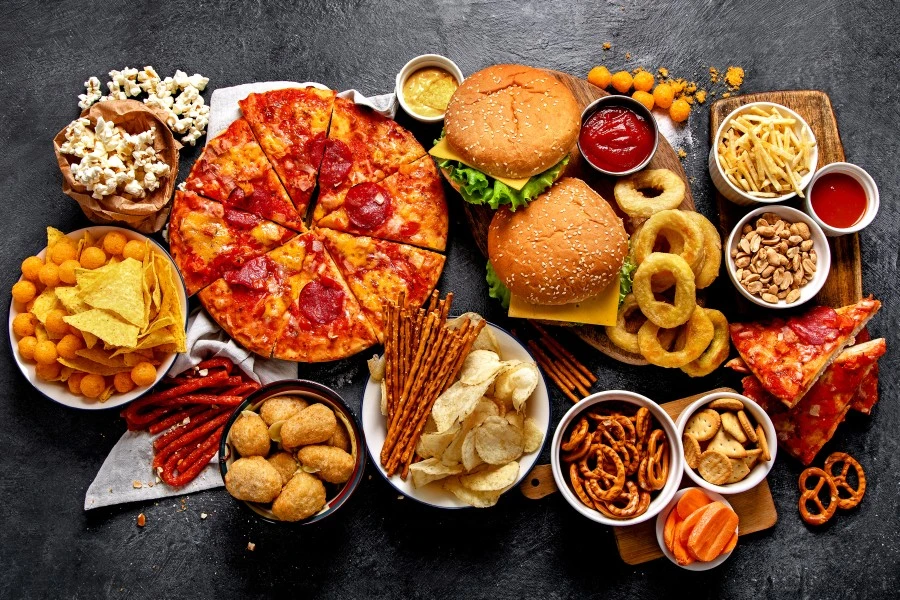 Terms like “highly-processed” or “ultra-processed” foods need clearer, science-based definitions to guide reformulation, labeling, and compliance.
Real-world application
The DGA will likely form the foundation of nutrition policy in the US, but it does not necessarily create new regulations. Although implementing them will take some time, agencies like the USDA and FDA are expected to use them as a scientific basis for rulemaking and policy decisions.
The new DGA is being digested by industry stakeholders, nutrition program administrators, and policymakers who could start reviewing and planning changes. The new guidelines could even prompt voluntary changes by industry.
“The time between guidelines being released and their incorporation into regulations and program specifications is typically a months-long process even under the best circumstances,” Niemira explains.
“What will add to the time required with the 2025–2030 DGA is the lack of specificity in many of the recommendations. Translating qualitative guidance (e.g., eat more X, eat less Y, minimize Z) into actionable levels that can guide decision-making (e.g., 2–3 servings per day where 1 serving = 8 oz., 0.8 g per kg body weight, etc.) will require further discussion and consensus building, ideally incorporating input from food science subject matter experts.”
“Once regulations are written by regulatory agencies, released for public comment (where required), finalized, and published, then those regulations have to be considered in the review and revision of existing program specifications or the writing of new nutrition program specifications.”
Focus on food safety
When considering how to respond to the new DGA, food safety is paramount. Companies will have to balance reformulation or innovation driven by the new guidelines without compromising food safety or shelf stability.
Niemira agrees that food safety is one of the challenges arising from changes in dietary guidelines.
“While formulations always try to accomplish several goals for any given commodity, food safety is non-negotiable.”
Regardless of the emphasis placed on balancing other aspects — nutritional profile, shelf life, palatability, aesthetics, sensory properties — food safety can’t be compromised.
“This is why it’s critical to have food science and multi-disciplinary food technology at the heart of product formulation and reformulation. Pursuing innovative approaches to respond to the new guidelines will take creative investment of time and energy, and that response cannot leave food safety to be an afterthought.”