
Social media drives vibrant colors in F&B as regulations accelerate shift from synthetics

Key takeaways
- Visually striking, emotionally resonant colors drive discovery, trial, and brand differentiation in a digital-first F&B landscape.
- US bans and phase-outs of synthetic dyes are fast-tracking the adoption of vibrant plant-based and novel natural colors.
- Advances in natural color science mean brands can still achieve bold, exciting hues, connected to wellness, authenticity, and storytelling.
In this digital age, social media continues to shape the visual appeal of F&B products, influencing purchasing decisions and amplifying their impact. Formulating recipes with captivating, striking colors is vital for brand growth, as TikTok, Instagram, and other sharing platforms heavily influence consumer popularity.
There is no doubt that color in food and beverages is viewed as a strategic asset among the companies and brands innovating with bold and exciting hues to stand out in a crowded market — but formulating products with vibrant colors is about more than just being attractive and appealing to the eyes.
Emotional cues
Bright reds, oranges, and yellows can be perceived as stimulating and signal naturalness and refreshment, while bold blues and purples convey novelty and adventure. Green also nods toward naturalness and plant-based products.

Vibrant colors can communicate emotion, wellness, and product benefits.
GNT Group and ADM join Food Ingredients First to examine the latest consumer trends and regulations in the color space alongside the growing consumer desire for vibrant colors in F&B.
Communicating with colors
Kelly Newsome, global director for Product Marketing, Colors & Savory Flavors at ADM, flags how important vibrant color is to product differentiation in a competitive market, regularly acting as the first and most immediate cue consumers use to judge a product before they buy.
“Before taste or texture comes into play, color helps communicate flavor intensity, freshness, quality, and even functionality. Shoppers truly ‘eat with their eyes first,’ and products with visual appeal are more likely to capture attention, encourage trial, and reinforce brand recognition.”
“However, consumers often associate overly bright and vibrant colors with artificiality, and may be avoided as a result. Food and beverages aligned with health and nutrition, such as yogurts, typically leverage colors derived from natural sources that reinforce freshness and flavor profile, rather than color novelty,” she says.
“Feeling” the color of food
ADM’s market insights confirm a shift toward holistic wellness, as consumers seek products that nourish the body, mind, and soul.
“Consumers consistently associate specific colors with key ingredients, flavors, emotions and wellness benefits. Yellow and orange are often linked by consumers to feelings of vitality and happiness, as well as to products supporting immune function, cognitive focus, and hydration. Consumers may also see green colors as signaling earthy, vegetal freshness and products with digestive support,” Newsome continues.
Innovation and curiosity may be associated with blue shades, while blue also aligns with products for refreshment, relaxation, and sleep support. Stimulating red hues are most frequently associated with products for heart health. In contrast, pink, which often connects to women’s health, may also signal juicy berry flavors and indulgent confectionery, notes the company’s research.
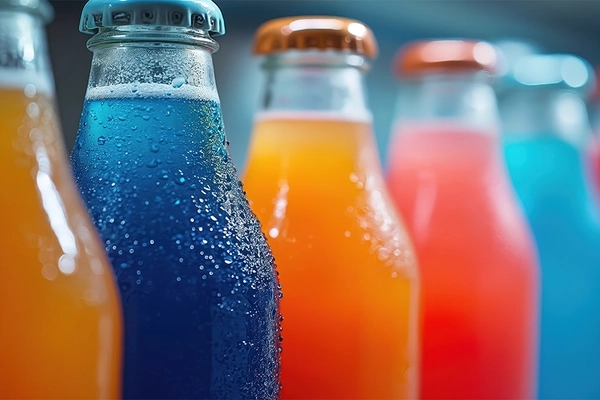
“Social media has elevated color into a key brand and marketing asset, as consumers increasingly discover and judge products through photos and short-form video before purchase. Social media platforms reward food and beverages that are visually striking, raising expectations for color impact and performance on camera. As a result, there is a greater emphasis on vibrancy, stability, and authenticity to ensure the product looks as appealing in digital spaces as it does in real life,” says Newsome.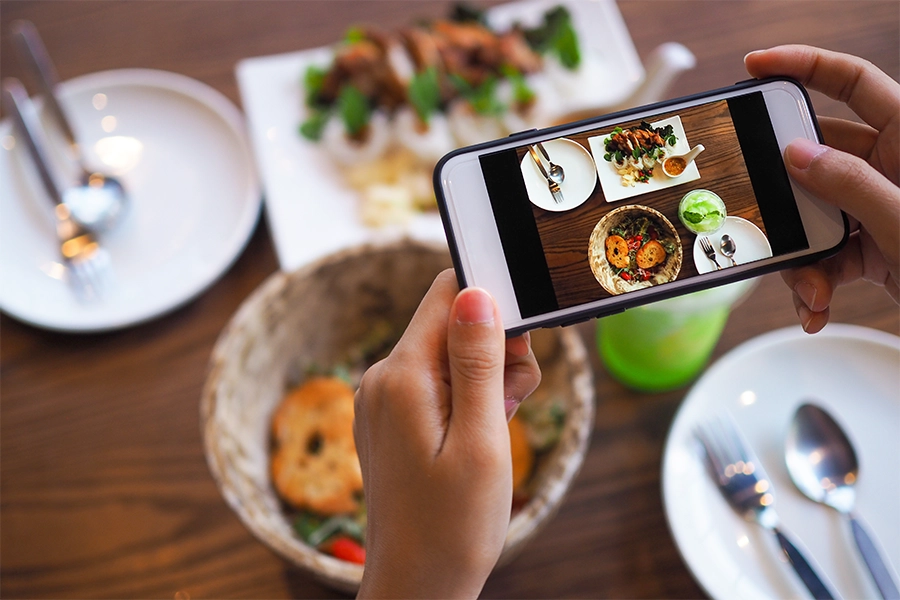 Social media-driven discovery and tighter US dye regulations are accelerating F&B’s shift from synthetic colors to vibrant natural alternatives.
Colors for storytelling
Color tells a story about a product and can be used to build instant connections with consumers, often being the first thing they notice before buying or tasting food and drink. It sets up expectations for the consumption experience.
“Eye-catching colors help catch the eye on the shelf and sell the idea that a product is new and exciting. They’re often the best choice for limited-time offers, for example, because they help to attract attention and showcase the products’ fun credentials,” Dieuwertje Raaijmakers, marketing communications specialist at GNT, tells us.
“Consumers are becoming increasingly adventurous when it comes to food and drink, with many looking to experience exciting flavors. Some on-trend flavors, such as dragon fruit or pandan, are associated with eye-catching colors, and so there’s a real synergy there. Vibrant shades can also be used to indicate sweetness or intensity. That can help you build that sense of excitement even with familiar flavors, like using vivid reds for sweet and spicy products.”
Shareability is another big factor, according to Raaijmakers, as consumers prize strong visual impact because it helps attract attention on social media, and creates a sense of joy when eating and drinking with friends.
“You can’t taste or smell food and drink through social media, so product appearance has become increasingly important in the digital era. It’s opened up opportunities for brands to get ahead by using color creatively to spark emotional reactions and build connections. If you connect color with texture or use certain color combinations, you can tell a compelling story purely through the visuals.”
Color regulations
Many companies have been moving away from using synthetic colors for some time now as they recognized growing consumer descent toward artificial ingredients in favor of natural solutions.
Globally, manufacturers are increasingly looking to replace FD&C synthetic color additives with colors derived from natural sources (like fruit and vegetable or other plant-based ingredients), but new, tighter regulations in the US last year have given natural color alternatives a boost.
The US FDA revoked authorization for Red No. 3, which had been used across F&B applications for decades to impart a cherry-red color, due to links to cancer. The ban became effective from early 2025 with full phase-out in food and ingestible drugs by 2027–28 under FDA rules.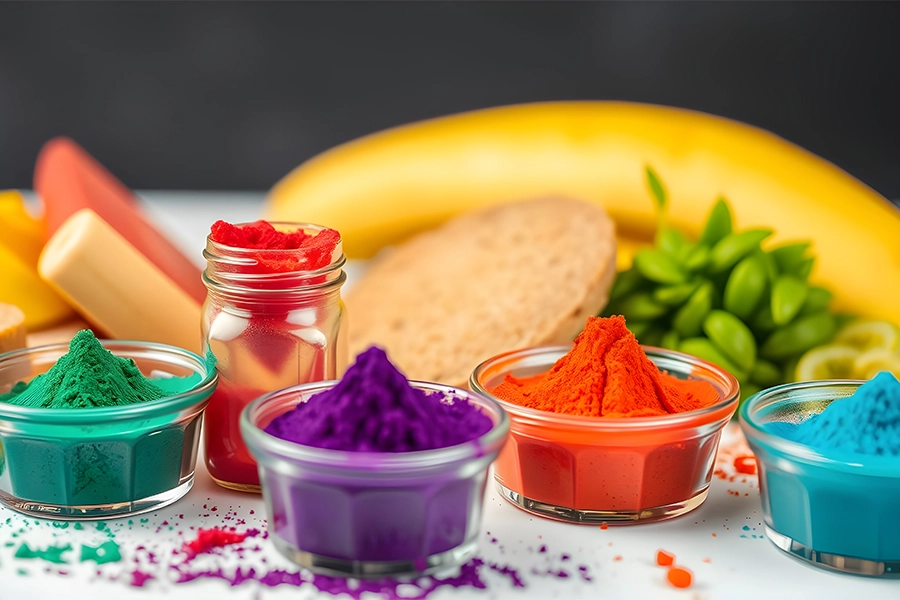 As synthetic dyes are phased out, advances in plant-based color science are helping F&B brands deliver bold hues tied to wellness, authenticity, and storytelling.
In April 2025, the US Department of Health and Human Services and the FDA announced a series of new measures to phase out petroleum-based synthetic dyes from the nation’s food supply, prompting America’s nationwide transition toward natural color alternatives.
Big food players like Walmart responded to this shift in color regulation by removing 11 synthetic dyes and dozens of other additives from its private-brand foods, while snacking giant Kellanova announced it would phase out synthetic FD&C color additives across its US food portfolio.
Synthetic colors phase-out
To replace synthetic dyes while preserving vibrant aesthetics, the US government has provided a host of new natural color approvals (2025-2026).
The FDA has approved a series of natural food color additives, including Galdieria extract blue (algae-derived blue), Butterfly pea flower extract (blue to purple/green shades), Calcium phosphate (white), and an additional natural blue from gardenia plant sources. These approvals give color innovators more natural options to create visually appealing food.
More recently, the ultra-processed food debate — highlighted further by this month’s new Dietary Guidelines for Americans, which explicitly call out highly-processed foods — is further intensifying the push toward natural color alternatives that offer the same vibrancy and excitement that comes from artificial food dyes.
“The UPF debate is definitely accelerating the switch to plant-based colors, but that doesn’t mean the industry is moving away from vibrant shades and bold visual innovation. Advances in the natural color space have made it possible to deliver really spectacular shades with familiar ingredients like carrots, sweet potatoes, turmeric, and blackberries,” says Raaijmakers.
Plant-based colors
Changes in color regulation have also driven advances in plant-based colorants. GNT has experienced an uptick in interest from customers looking to switch to Exberry colors, not only in the US market, but also in several countries in the APAC region and Latin America, which also export their products to the US.
“Red 3, which is also known as erythrosine, has to be removed from products in the US. It has a very vibrant pink shade that can be hard to replicate with plant-based colors, and it’s inevitable that some products will look different going forward as a result. Brands will still be able to provide bright and attractive pinks, though, and they can actually use the shift in appearance as an opportunity to show that their products are now colored using natural ingredients,” Raaijmakers explains.
“Synthetic dyes make it easy to achieve bright, stable shades in food and drink, but they’re increasingly being phased out because of consumer concerns and regulatory advances. Plant-based colors can also deliver a complete rainbow of vibrant and consistent shades in most applications, but it is more challenging.”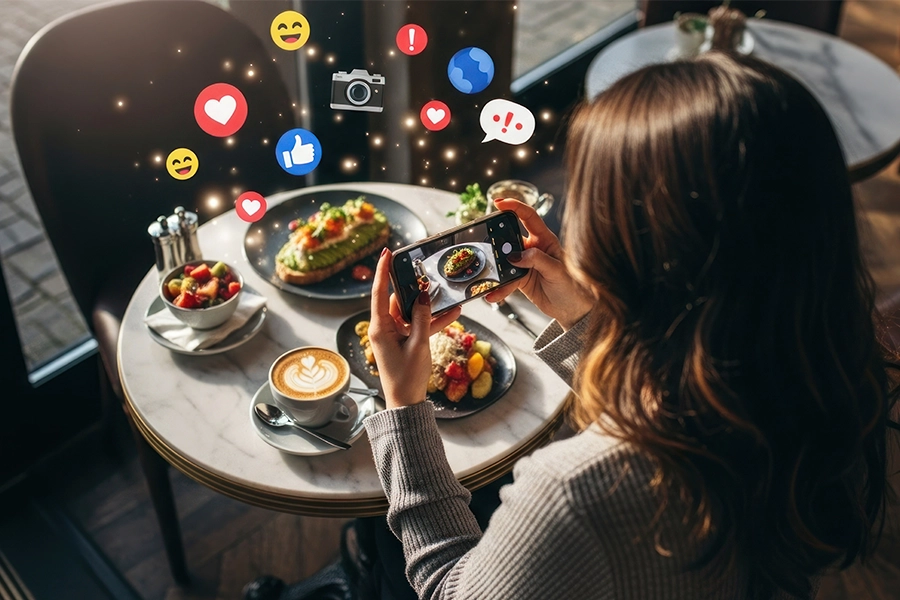 From TikTok appeal to regulatory compliance, vibrant natural colors are becoming a strategic asset in modern food and beverage formulation.
Opportunities for innovation
Plant-based colors rely on the natural pigments found in fruit, vegetables, and plants, and their performance can be affected by factors such as pH levels, heating, and light exposure. These impacts will vary depending on the type of pigment and the raw material.
“For example, the pink betanin pigments found in beets aren’t affected by pH, but they are sensitive to heat. Anthocyanin pigments, on the other hand, will deliver the brightest, most stable red and pink shades at low pH levels, but they’re heat-stable. Not all anthocyanins are the same either — the ones in vegetable concentrates tend to be more stable than those in fruit concentrates.”
“There are many factors to consider, including the target shade, the application type, cost, and labeling preferences.”
ADM also anticipates the shift in colors will continue to drive opportunities for color innovation and optimized solutions made from natural sources. The company’s “Colors from Nature” portfolio supports manufacturers in ensuring an ideal sensory experience with highly stable color solutions derived from a wide range of natural sources.
“Our comprehensive approach to color development provides our formulators with optimal shades and performance across applications. For example, we tap our diverse pantry of fruits, vegetables, and botanicals to support alternatives to FD&C Red #3 and Red #40, delivering a range of color solutions for confectionery, sweet snacks, and frozen desserts.”
Newsome also cites ADM’s fruit juice, blue in color and harvested from the Amazonian huito fruit, as acid-, light-, and heat-stable, and as remaining blue across any pH system. The fruit juice blue technology supports the creation of blue shades, but it also delivers visually appealing greens, purples, and caramel-free browns.
“Blue is also a striking color, but solutions derived from natural sources had once eluded the F&B industry,” she says.
What’s next in F&B colors?
2026 is shaping up to be another significant year for vibrant colors from natural sources, as the target date for the voluntary industry phase-out of key synthetic dyes (Red 40, Yellow 5 & 6, Blue 1 & 2, Green 3) approaches.
There is also expected to be a continued tightening of regulations and potential mandatory actions, especially if voluntary phase-outs lag.
In terms of innovation, emotional resonance, and brand storytelling, the use of vibrant colors is expected to gather pace, as is the use of natural ingredients for vibrant visual appeal.