

Regenerative agriculture struggles to resonate as shoppers seek personal benefits

Key takeaways
- Consumers are more influenced by clear personal benefits, such as taste, health, and fewer chemical inputs, than by technical terms like “resilient” or “regenerative” agriculture.
- While shoppers recognize the importance of more sustainable food systems, they largely see food security as the responsibility of governments, farmers, and industry.
- Trust and pricing remain key barriers, with farmers seen as more credible than retailers or brands, and sustainable food expected to cost more.

Consumers increasingly care about how their food is produced. However, technical terms, such as “resilient” and “regenerative” agriculture, are unlikely to influence buying decisions unless they are linked to clear personal benefits, according to new research from the EIT Food Consumer Observatory.
The report found that shoppers are more receptive to messages highlighting benefits they can readily understand, such as better taste, perceived healthiness, fewer chemical inputs, trusted certification, and a stronger connection to the farmers who produce their food.
While more consumers recognize the importance of making agriculture more sustainable and resilient, they generally do not see food system resilience as something that should shape their choices at the supermarket.
Instead, many participants viewed it as the responsibility of governments, farmers, and the wider food industry to ensure food supplies remain secure.

Tradition meets innovation
The report — “Making Agriculture Matter: Toward consumer-centric positioning of resilient and regenerative agriculture” — also explores how consumers believe agriculture should evolve.
Rather than favoring either a return to traditional farming methods or relying solely on new technologies, participants preferred a combination of traditional farming values supported by modern innovation, describing this approach as both practical and credible.
Among the communication approaches tested, messages linking farming practices to healthier soils, improved flavor, fewer synthetic inputs, and independently verified claims received the strongest response. Researchers found these messages were particularly effective for processed and manufactured foods, where consumers are less likely to assume products are inherently healthy.
Trust in farmers
The research also points to a gap in trust, with consumers showing greater confidence in farmers than in retailers or food manufacturers, and tending to view brand claims with caution.
“While many consumers are interested in knowing more about where their food comes from and believe that the European agricultural sector needs to evolve to become more sustainable and fair, societal benefits are rarely enough to shift food choices,” Lauren May, researcher at the Future of Food Institute, a strategic partner of EIT Food, tells Food Ingredients First.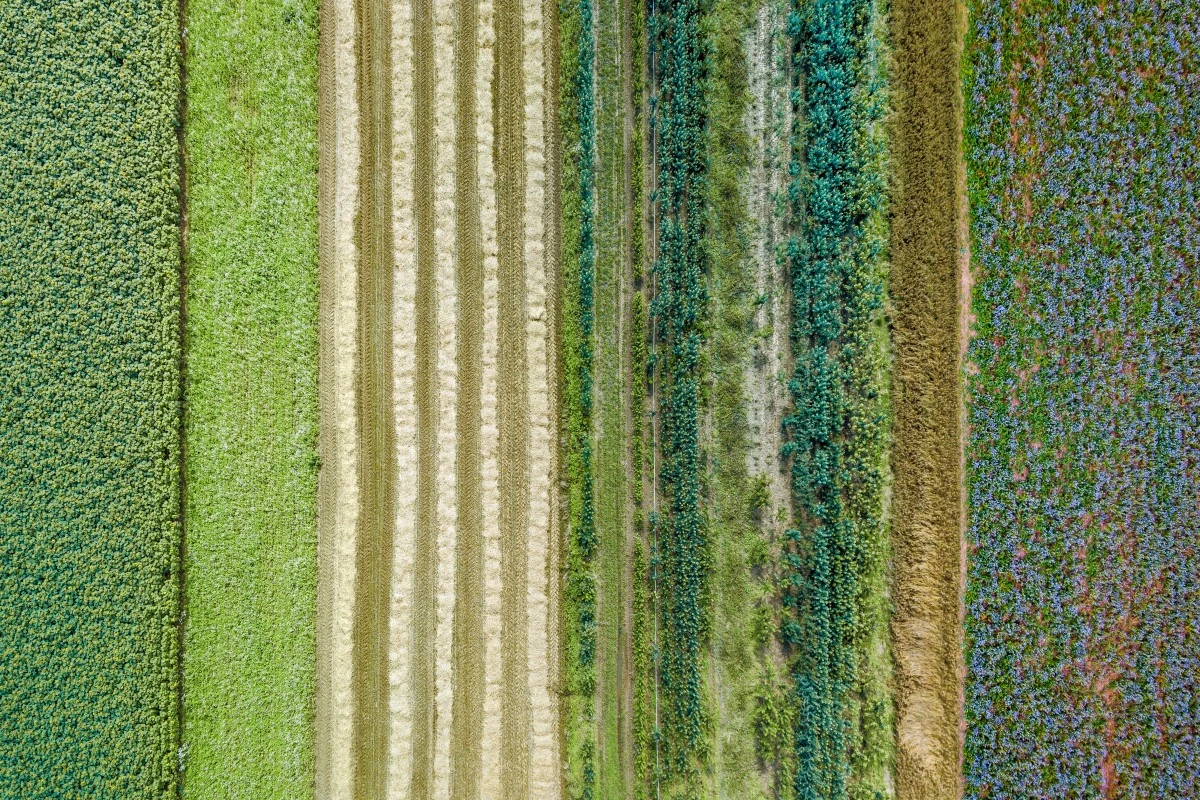 Research shows that consumers respond most to messages about healthier soils, better flavor, fewer synthetic inputs, and verified claims, particularly for processed foods.
“In the supermarket aisle, when faced with quick decisions and spending their hard-earned money, people choose food that offers the most personal value to them. Personal benefits like health, taste, convenience, and price tend to win in practice.”
“This doesn’t mean that consumers reject food that is grown ‘better,’ but it does mean that such food needs to be competitive and communicate effectively when it comes to the personal benefits it offers, not rely on the societal benefits.”
Evidence for claims
The findings raise questions about what evidence companies need to support health or nutrition claims linked to regenerative agriculture, and how this affects product innovation, messaging, and credibility in the F&B sector.
“To make claims about health and nutrition, companies need to measure concrete health metrics in their food and compare it to conventional products. For example, the density of specific micronutrients,” says May. “In this study we tested whether consumers would engage with the idea that healthier soil produces more nutritious food. If companies want to use this narrative, they need hard data to back up such a claim.”
“One note of caution: we found that consumers tend to be more concerned about the use of unhealthy chemical inputs than depleted soil. Leading with a healthy soil message may therefore require consumer education.”
Moreover, May says consumers see fresh produce as healthy by default, and show limited concern that it might be less nutrient-dense than it could be.
“Claims about healthiness are more suited to processed food products. In that category health is not assumed, so it provides a competitive edge. Fresh produce is assumed to be healthy.”
Greenwashing risk
The findings highlight a key challenge for brands in positioning regenerative agriculture, balancing the risk of it becoming either greenwashing or a premium niche, particularly given the lack of a universally agreed definition.
While consumers often assume sustainable or healthier food will cost more, making such products accessible will depend on credible, supply chain-based pricing narratives rather than marketing claims alone.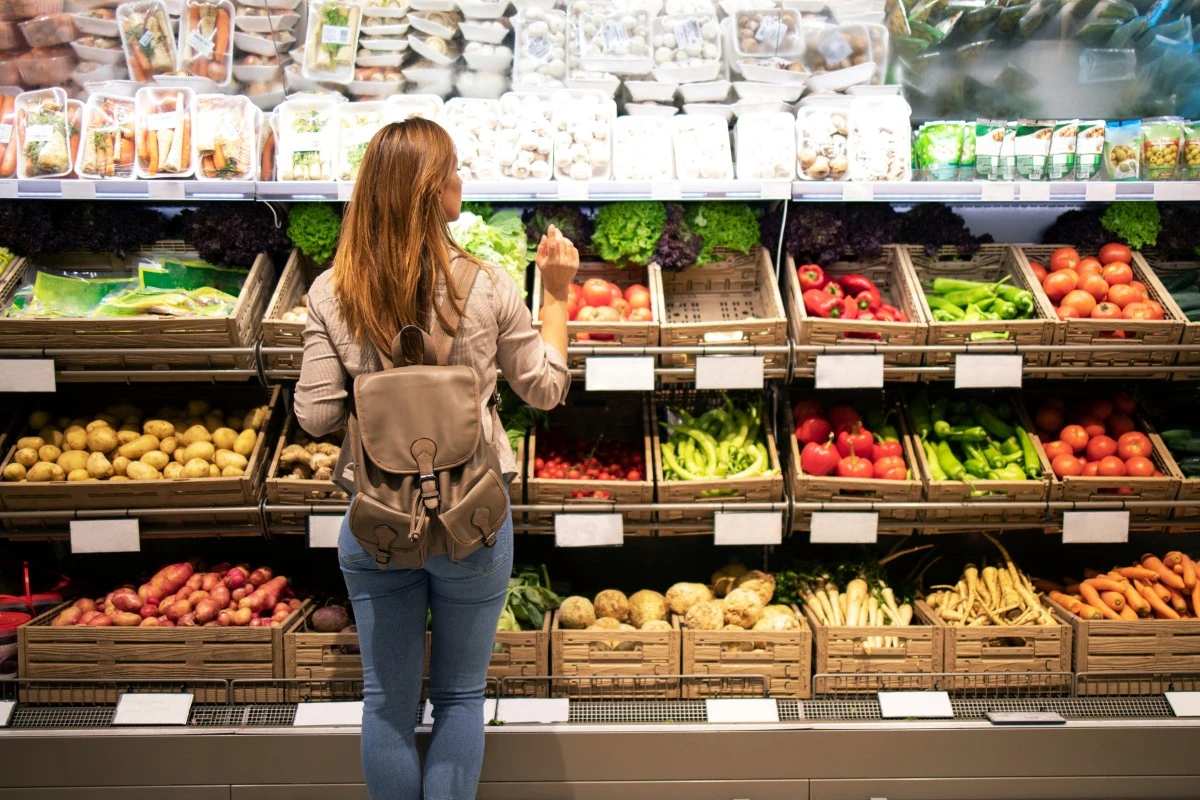 Consumers choose foods that offer the greatest personal value, with health, taste, convenience, and price driving decisions.
“Unlike organic agriculture, there is no legal definition of “regenerative agriculture” that is universally accepted. This can have advantages, for example, it is more forgiving for farmers transitioning to a regenerative model, but it also makes regenerative claims more difficult to regulate,” May says.
“They (consumers) especially associate artisanal messaging and a transparent story about where food comes from with high prices. A lower price can be explained by supply chain factors like: using less costly inputs, cutting out the middle man, and buying directly/closer to the farmer. The narrative needs to be true and tailored to the specific product and supply chain.”
Industry momentum around regenerative agriculture
Alongside growing academic and consumer research on how farming practices are perceived, F&B companies and industry bodies have continued to expand their investment in regenerative agriculture initiatives across global supply chains in recent years.
Much of this activity is being driven by major multinational food companies scaling farm-level initiatives. In North America, for example, PepsiCo has expanded its regenerative farming programs with a focus on improving soil health and supporting more sustainable crop production systems.
These efforts are increasingly extending beyond individual company programs into shared supply chain collaborations. PepsiCo, Mars, and ADM are involved in a joint initiative designed to embed regenerative practices across common sourcing regions. This includes projects with Polish farmers focused on practices such as rotational agriculture to improve wheat and rapeseed production.
Industry platforms and sector forums are also playing a role in shaping the transition. The Sustainable Foods Summit 2026 highlighted regenerative agriculture as a key pillar in strategies linking climate goals with net-zero ambitions in the food sector.
Meanwhile, organizations such as SAI Platform have been working with companies to develop shared frameworks for integrating regenerative practices into supply chains.


Upcoming webinars

2027 Food Safety Risks for Quality & Compliance Leaders
FoodChain ID

Formulating for function: Developing benefit-led beverages with natural colours, botanicals, and flavours
Givaudan Sense Colour

Let's reveal the grain potential: Innovate
Meurens Natural